

HOUSTON, TX — Forty years after Frank Castellano last handled asbestos-containing gaskets at a Gulf Coast petrochemical refinery, a Harris County jury handed his family $43 million in damages last month, finding that the industrial supplier who sold those gaskets had known for decades about the cancer risk and said nothing.
The verdict, reached in the 11th District Court of Harris County in late March 2026, is among the largest asbestos-related jury awards in Texas in recent memory. It also arrives at a moment when legal observers say jury attitudes toward corporate defendants in asbestos cases are hardening in ways that could reshape how these cases settle and go to trial across the South.
What the Jury Found — and Why It Matters
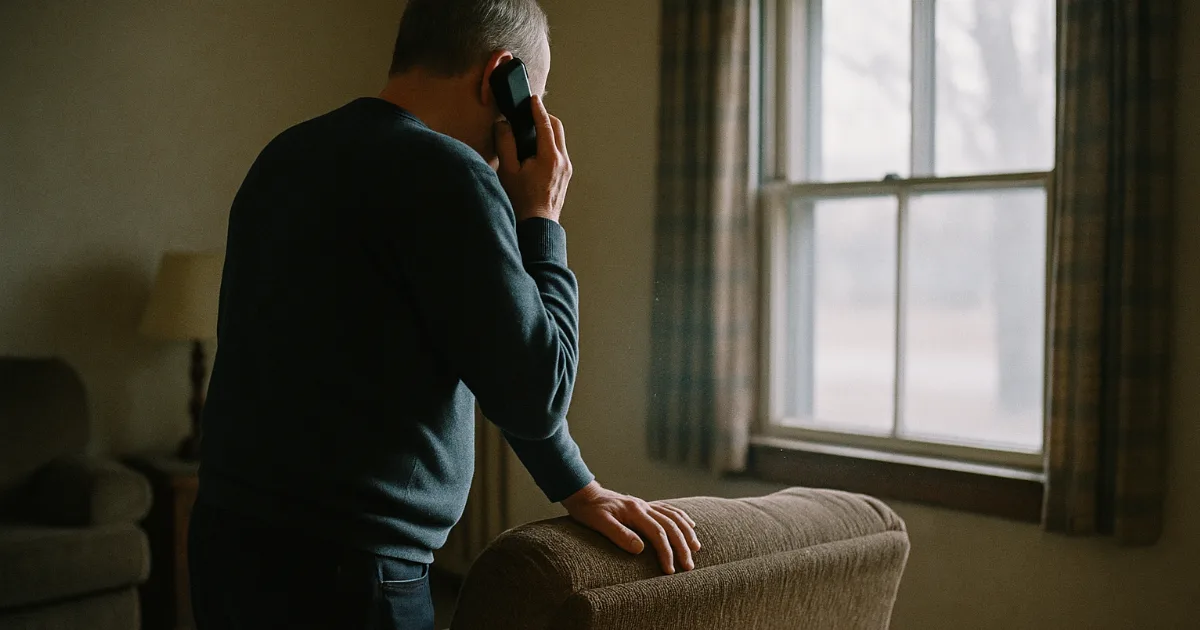
Castellano, a 71-year-old former maintenance mechanic, was diagnosed with pleural mesothelioma in late 2024 after a cough his pulmonologist initially attributed to decades of smoking. According to court documents, Castellano spent the better part of his career cutting and replacing asbestos-containing compressed gaskets in high-heat industrial settings, a job that regularly released respirable fibers into the air around him and his coworkers.
The jury found that the defendant, a major industrial components distributor, had received internal safety warnings about asbestos gasket hazards as early as the mid-1970s but continued marketing those products without adequate warnings through the late 1980s. The $43 million award included $18 million in compensatory damages and $25 million in punitive damages, a split that legal analysts say signals the jury's intent to punish deliberate concealment rather than simply compensate a sick family.
According to coverage in Law360's asbestos litigation tracker, punitive awards of this size are relatively rare in Texas state courts, where juries have historically been seen as more defense-friendly than California or Illinois venues. The Castellano verdict breaks from that pattern in a way that plaintiffs' attorneys are watching closely.
Why Attorneys Say This Verdict Is Different
Most asbestos cases settle before a jury ever hears them. The ones that go to trial often do so because a defendant calculated that a jury would be skeptical of a plaintiff whose exposure came from a single product category, like gaskets, rather than the dense, sustained asbestos environments of shipyards or insulation work.
That calculation may need to be revisited. "What the courts have consistently recognized in these gasket cases is that dose matters less than duration," said Paul Danziger, a board-certified personal injury trial attorney who has represented mesothelioma families for decades. "When someone spent years cutting those products every single day, the cumulative exposure can be just as lethal as a shipyard. Juries understand that now in a way they didn't fifteen years ago."
The Castellano case drew on internal industry documents that have become increasingly available through prior litigation, showing that at least some gasket manufacturers and distributors tracked asbestos safety research internally while their sales teams continued to assure customers that the products were safe at normal use temperatures. According to the American Bar Association's Tort Trial and Insurance Practice section, this pattern of internal awareness combined with external silence has become a defining feature of high-verdict asbestos cases in recent years.
For families navigating a new diagnosis, the legal landscape for asbestos victims is broader than many people realize. Industrial workers who handled gaskets, packing materials, and valve components are increasingly recognized as viable plaintiffs, even when their exposure didn't happen in a shipyard or factory known for heavy asbestos use.
What This Means for Patients and Families Facing a New Diagnosis
For a family sitting with a fresh mesothelioma diagnosis, a $43 million verdict in a Texas courtroom can feel abstract. What matters more is what it signals about the legal options available to people whose exposure came from industrial components rather than the classic high-profile sources.
In my experience representing mesothelioma families, the cases that get dismissed too quickly are often the ones involving workers who handled products at the margins of the asbestos supply chain. Gasket mechanics. HVAC technicians. Auto brake workers. The assumption was that their exposure wasn't severe enough to support a claim. Verdicts like this one push back hard against that assumption.
Families facing a new diagnosis should understand that multiple legal avenues may be open simultaneously. Asbestos bankruptcy trust funds, which you can explore through a directory of active trusts, operate separately from civil litigation, and a single patient may have claims against several trusts based on different products they encountered over a career. The compensation estimator tool-estimator/) can help families understand what a realistic range of combined recovery might look like before they ever speak with an attorney.
Timing is critical. Texas imposes a two-year statute of limitations from the date of diagnosis for personal injury asbestos claims, a deadline that courts enforce strictly. For families of workers who have already died, the wrongful death clock runs from the date of death, not diagnosis.
The Castellano verdict is also a reminder that treatment decisions and legal decisions often need to happen in parallel. Comprehensive information about diagnosis and treatment options matters not just for survival but because a patient's documented treatment history becomes central evidence in any civil claim. Families who delay both can find themselves squeezed from both directions.
The case is expected to face post-verdict motions and a likely appeal, which is standard in punitive damage awards of this size. But even if the final number is reduced on appeal, the signal the jury sent in Harris County last month is one that defense attorneys and their corporate clients will be factoring into settlement calculations for years to come.
Attorney Advertising. Past results do not guarantee future outcomes. Every case is unique. The verdicts and settlements described are not a guarantee of similar results. Every case is different.