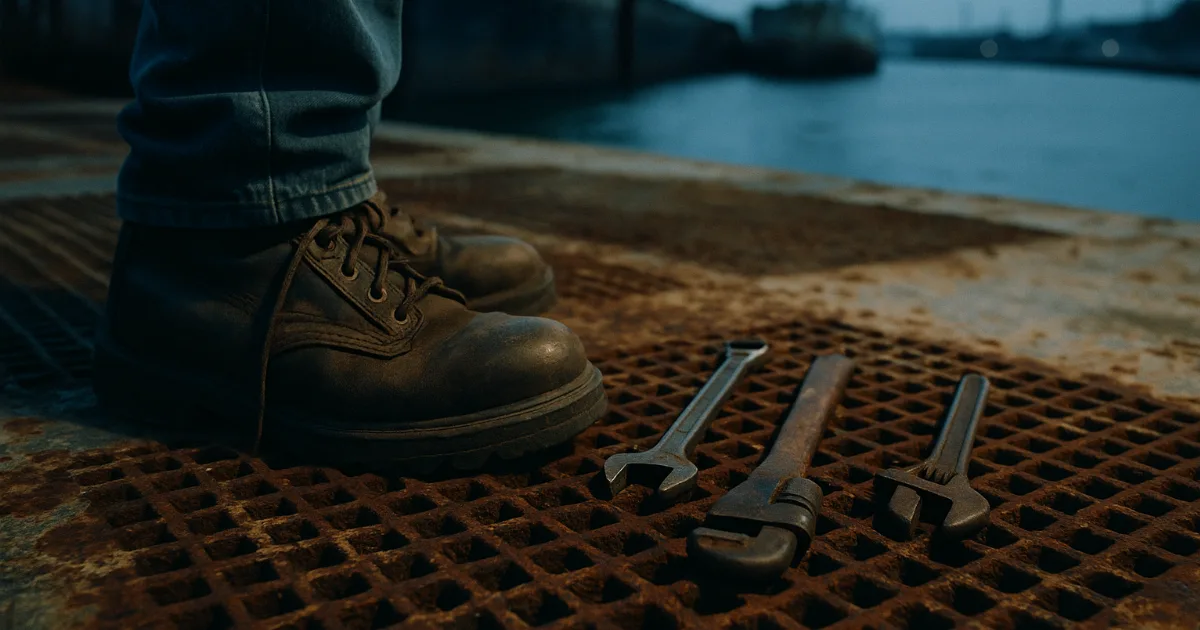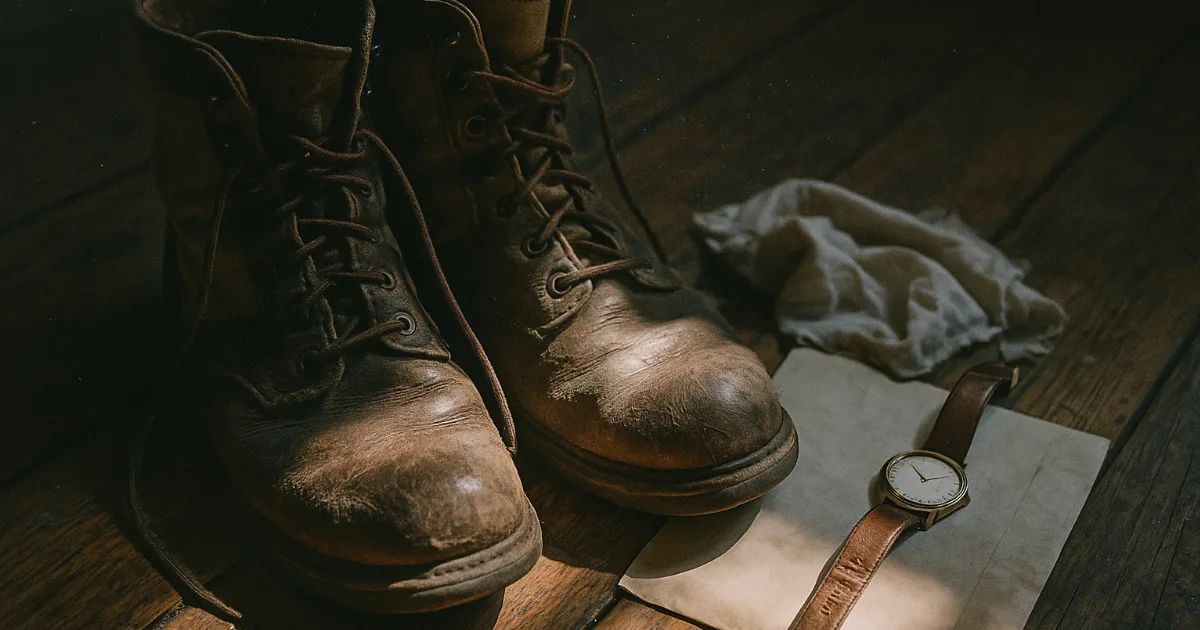

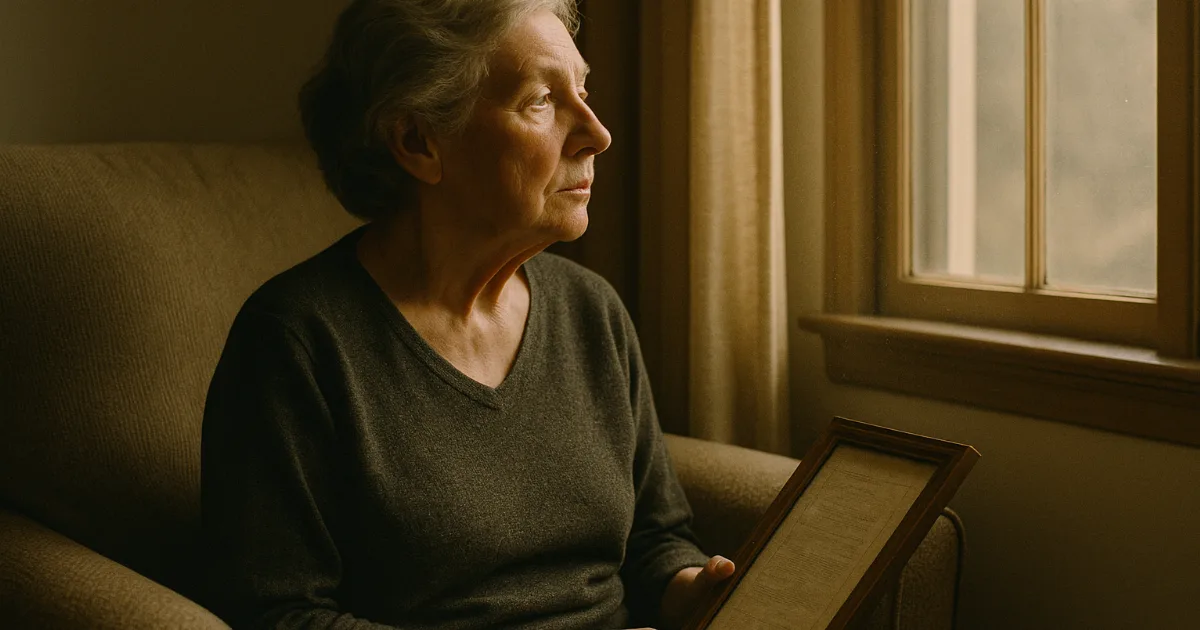
HOUSTON, TX — Loretta Simmons never expected to spend her retirement years in a courthouse. But after her husband Gerald, a retired pipe insulator who spent 22 years working at the Gulf Coast shipyards, died of pleural mesothelioma in the spring of 2025, she found herself doing exactly that. Last month, a Harris County jury returned an $8.2 million wrongful death verdict in her favor, holding three former asbestos product manufacturers jointly liable for Gerald's death.
The verdict, reported by Law360's asbestos litigation coverage, is among the largest wrongful death mesothelioma judgments in Texas in recent years, and it underscores a legal reality that many grieving families don't yet understand: the death of a mesothelioma patient doesn't end the family's right to pursue justice. In many cases, it opens a separate and distinct legal pathway.
What the Verdict Means and How It Was Won
Wrongful death claims in mesothelioma cases differ from the personal injury suits patients file while still living. When a patient dies, the right to pursue compensation typically transfers to surviving spouses, children, or the estate, depending on the state. In Texas, that right is codified under the Texas Wrongful Death Act, which allows immediate family members to seek damages for loss of companionship, mental anguish, and lost financial support, in addition to any medical and funeral expenses.
According to court documents and reporting from Reuters Legal, the Simmons case turned on product identification evidence, including employment records, co-worker depositions, and archived purchasing documents that linked Gerald's daily exposure to specific pipe insulation and gasket products manufactured by the three defendant companies. Two of those companies had declared bankruptcy and established asbestos trust funds years earlier, but the third remained a solvent defendant subject to direct jury trial.
The jury awarded $4.1 million for loss of companionship and consortium, $2.6 million for mental anguish suffered by Loretta and the couple's two adult children, and $1.5 million in economic damages. Punitive damages were not sought in this case.
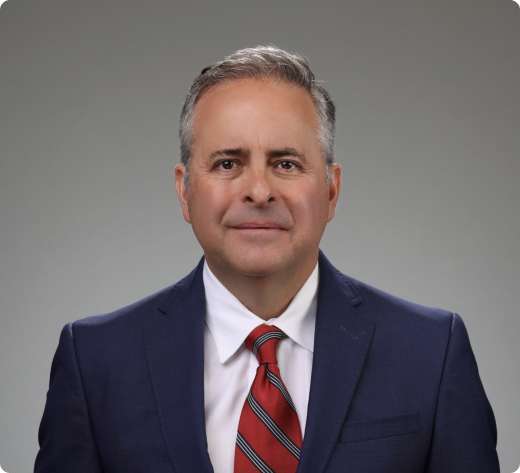
"What the courts have consistently recognized is that a mesothelioma death doesn't just take a person. It takes decades of shared life, financial stability, and the kind of partnership that can't be replaced," said Paul Danziger, a mesothelioma attorney who has represented families in similar wrongful death proceedings. "Juries understand that, and verdicts like this one reflect it."
Why Wrongful Death Claims Are Climbing in 2026
The Simmons verdict isn't an anomaly. According to asbestos litigation data tracked by Law360, wrongful death mesothelioma filings have increased steadily over the past three years, driven in part by an aging cohort of industrial workers, shipyard laborers, and veterans who were exposed to asbestos in the 1960s through the 1980s and are now dying of diseases that took 30 to 50 years to manifest.
For families navigating this process, the distinction between a personal injury claim and a wrongful death claim matters enormously. If a patient files a lawsuit before death, that case generally continues as a survival action after they pass. If no lawsuit was filed while the patient was alive, the family may still have the right to file a wrongful death claim, though the statute of limitations clock typically begins at the date of death, not the date of diagnosis. According to Justia's mesothelioma and asbestos law resources, that window varies by state, often ranging from one to three years.
In my experience representing mesothelioma families, the most painful situations are the ones where a patient declined to pursue legal action because they didn't want to burden their family, and then passed away before anyone realized the family had independent rights. Those claims are sometimes still recoverable, but only if the family acts quickly.
Families who are unsure whether a wrongful death claim remains viable should also consider whether asbestos bankruptcy trust funds offer a parallel compensation route. According to a RAND Corporation analysis of asbestos bankruptcy trusts, more than 60 active trusts were established by companies that manufactured or distributed asbestos-containing products, and many accept claims from surviving family members even when the patient never filed a personal injury lawsuit. Families can explore which trusts may apply to their situation using the trust fund checker available to patients and families.
What Families Should Know Right Now
The legal landscape for asbestos victims and their families remains more navigable than many people assume, but it is also unforgiving about timing. Missing a wrongful death statute of limitations, which can be as short as 12 months in some states, can permanently extinguish a family's right to compensation.
For families of veterans, the situation carries an additional layer. Many shipyard workers and industrial laborers who developed mesothelioma also served in the military, where asbestos exposure was pervasive, particularly in the Navy. Those families may have both wrongful death civil claims and separate VA benefits available simultaneously. Resources for veteran families are available through the veterans' section of this site.
The Simmons family's case also illustrates something that Danziger and other mesothelioma attorneys emphasize repeatedly: the strength of a wrongful death claim often depends on evidence gathered before the patient dies. Employment records, product identification, co-worker contacts, and medical documentation are all significantly easier to compile while a patient is still alive and able to provide testimony.
For families currently supporting a loved one through a mesothelioma diagnosis, the patients and families resource guide offers practical guidance on preserving legal options alongside treatment decisions. The two paths, medical and legal, don't have to conflict. In the Simmons case, they ran in parallel for nearly two years before Gerald's death, and that preparation is exactly what made the verdict possible.
Attorney Advertising. Past results do not guarantee future outcomes. Every case is unique. The verdicts and settlements described are not a guarantee of similar results. Every case is different.