


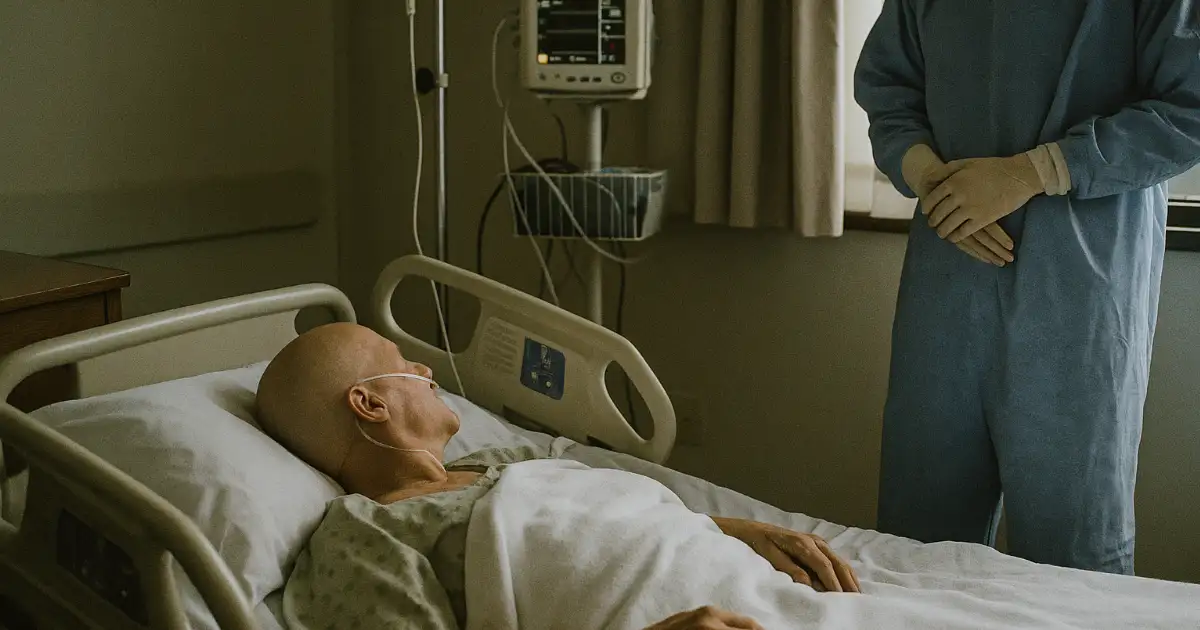
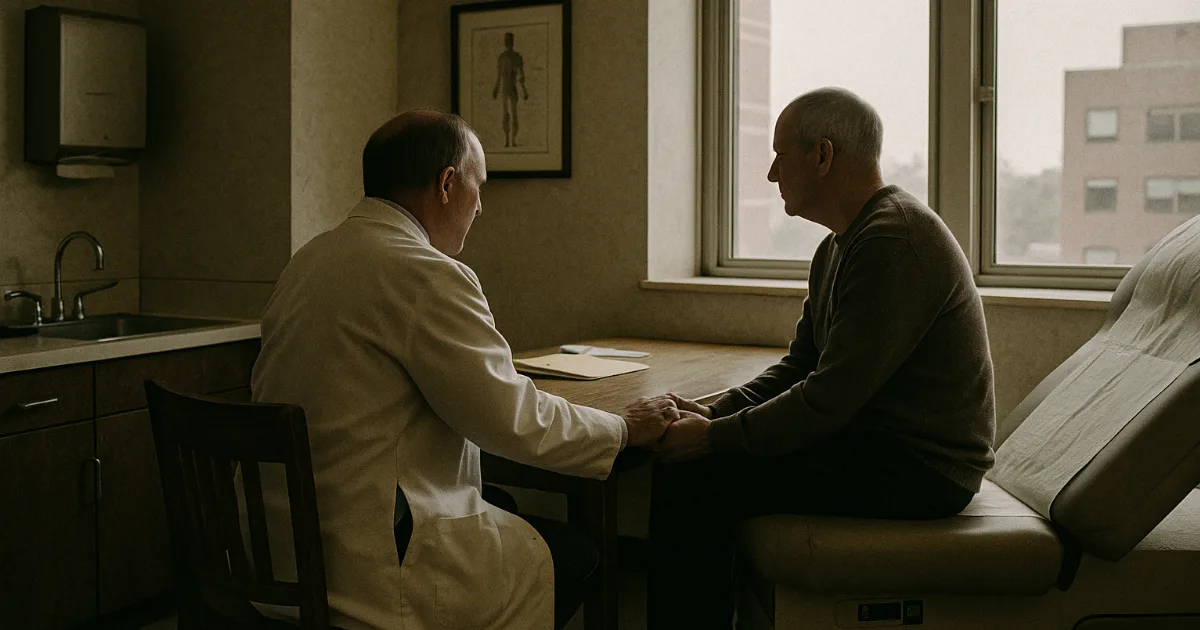
CHICAGO, IL — When Thomas Brewer's oncologist at Northwestern Medicine first described the device, the retired ironworker from Joliet thought she was describing science fiction. A wearable vest. Electrical fields. No needles, no infusion chair, no nausea. His wife, seated beside him, asked the question he couldn't form: "Does it actually work?"
The answer, as of 2026, is increasingly yes. Tumor Treating Fields, a non-invasive therapy that uses low-intensity electrical fields to disrupt cancer cell division, has moved from experimental footnote to a recognized treatment option for malignant pleural mesothelioma. The STELLAR trial, a pivotal study published in a National Institutes of Health-indexed journal, reported a median overall survival of 18.2 months when TTFields was combined with standard chemotherapy, compared to historical controls showing roughly 12 months with chemotherapy alone. For patients who have watched their options narrow, that gap matters enormously.
What Are Tumor Treating Fields and How Do They Work?
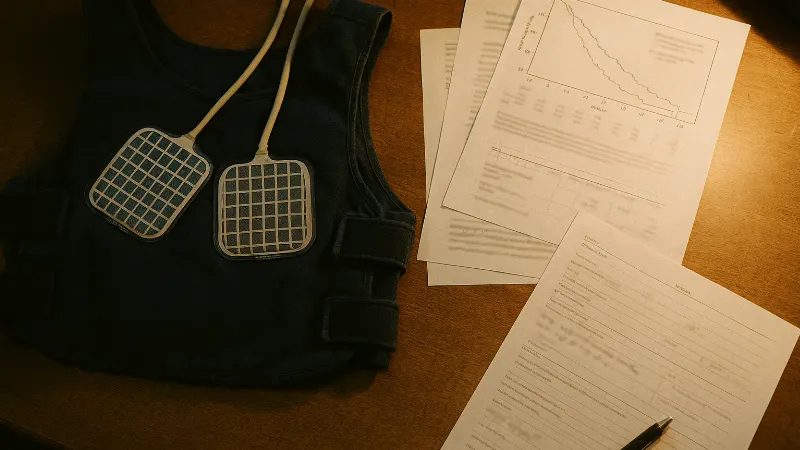
Tumor Treating Fields, delivered through a device called Optune Lua (manufactured by Novocure), work by generating alternating electrical fields at specific frequencies that interfere with the mitotic spindle formation cancer cells need to divide. The therapy does not damage DNA the way radiation does, and it does not introduce toxic chemicals the way conventional chemotherapy does. Instead, it disrupts the physical mechanics of cell replication, causing dividing cancer cells to fragment and die while largely sparing healthy tissue that is not actively dividing at the same frequency.
According to the National Cancer Institute's patient treatment guide for malignant mesothelioma, TTFields has received regulatory attention as part of combination treatment strategies for pleural disease. The FDA cleared Optune Lua specifically for unresectable, locally advanced, or metastatic pleural mesothelioma in 2019, making it the first genuinely new treatment modality approved for this disease in over a decade. That approval was built on the STELLAR trial data, which enrolled 80 patients across multiple centers and tracked outcomes with a rigor that has held up to scrutiny.
The device itself is worn on the torso for at least 18 hours per day, delivering fields through adhesive transducer arrays placed on the chest and back. Patients can sleep in it, move around in it, and in many cases continue modified daily routines. What I hear from patients going through this is that the learning curve is real, but manageable, and that the absence of the systemic side effects they feared from chemotherapy alone made the combination feel more survivable, not less.
Researchers believe the therapy is particularly effective against mesothelioma because of the tumor's characteristic growth pattern. Pleural mesothelioma spreads along the lining of the lung in sheets rather than forming discrete masses, which makes surgical removal difficult and gives TTFields a large surface area to address. The electrical fields can penetrate the chest wall and reach the pleural space where the tumor lives.
Why Does This Matter for Mesothelioma Patients?
For anyone navigating a pleural mesothelioma diagnosis, the treatment landscape has historically been bleak. The standard first-line regimen for decades was cisplatin plus pemetrexed, a combination that, according to the NCI's treatment PDQ, yields a median survival of roughly 12 months. Immunotherapy combinations, particularly nivolumab plus ipilimumab, have shown promise and received FDA approval in 2020 for unresectable disease, but response rates remain variable and not every patient is a candidate.
TTFields sits in a different category. It is not a drug. It does not compete with the immune system or create the autoimmune side effects that checkpoint inhibitors sometimes trigger. It can be layered onto existing regimens. In the STELLAR trial, patients received TTFields continuously while also receiving standard pemetrexed-based chemotherapy, and the combination was tolerated well enough that 74 percent of patients achieved the target daily usage of 18 or more hours.
The most important step you can take right now, if you or someone you love has been diagnosed with pleural mesothelioma, is to ask your oncologist specifically whether TTFields is appropriate for your case and whether your treatment center has experience delivering it. Not every oncologist will raise it unprompted. The therapy requires patient education, device management support, and a clinical team familiar with the transducer array placement protocol.
According to data from Memorial Sloan Kettering Cancer Center, which maintains one of the country's most active mesothelioma programs, multidisciplinary evaluation is essential before any treatment decision. That means thoracic surgery, medical oncology, radiation oncology, and pathology all reviewing the case together. TTFields fits most naturally into that multidisciplinary model because its use does not preclude other treatments and can be integrated into ongoing care.
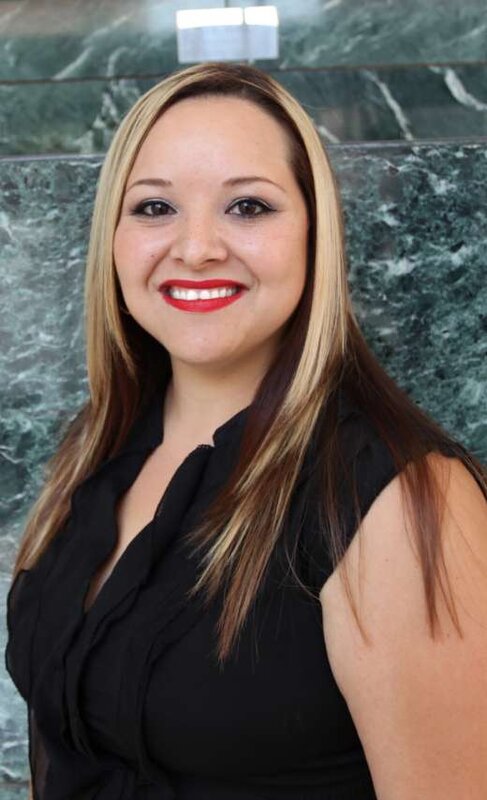
"The absence of systemic toxicity is what changes the conversation for patients who are already managing the physical toll of this disease. TTFields gives oncologists a tool that adds survival benefit without adding the burden patients dread most."
— Yvette Abrego, Patient Advocate
What Did the STELLAR Trial Actually Find?
The STELLAR trial, whose full results are indexed through PubMed and the NIH's National Library of Medicine, enrolled 80 patients with unresectable malignant pleural mesothelioma between 2016 and 2018. All patients received TTFields continuously alongside pemetrexed-based chemotherapy. The primary endpoint was overall survival.
The results were striking by the standards of a disease where progress has been slow. Median overall survival reached 18.2 months. One-year survival was 62 percent. Two-year survival was 37 percent. When the investigators compared these outcomes to a matched historical control population receiving chemotherapy alone, the survival benefit was consistent and meaningful. The one-year survival rate in historical controls typically ran between 40 and 50 percent, making the 62 percent figure a substantial improvement.
Equally important was the safety profile. The most common adverse events related to TTFields were dermatological, specifically skin irritation beneath the transducer arrays. These were manageable with standard skin care protocols and did not lead to treatment discontinuation in most patients. Systemic side effects were consistent with what would be expected from chemotherapy alone, meaning TTFields itself did not add meaningful toxicity to the regimen.
Researchers publishing in Clinical Cancer Research and related journals have since explored the biological mechanisms behind these results, including the hypothesis that TTFields may enhance immune activation within the tumor microenvironment. If that hypothesis holds, it opens the possibility that TTFields combined with immunotherapy could produce even greater benefit, a combination now being explored in ongoing trials.
For patients who want to understand the full scope of chemotherapy options for mesothelioma and how TTFields fits alongside them, the clinical picture is becoming clearer with each year of follow-up data.
How Does TTFields Compare to Other Emerging Treatments?
The mesothelioma treatment pipeline in 2026 is more active than it has been at any point in the disease's modern history. That context matters when evaluating where TTFields sits relative to other options.
Immunotherapy combinations remain the most discussed advance. The FDA approval of nivolumab plus ipilimumab for unresectable pleural mesothelioma was based on the CheckMate 743 trial, which showed a median overall survival of 18.1 months, nearly identical to STELLAR's TTFields result. The difference is that these are different patient populations, different mechanisms, and potentially complementary approaches. Many researchers now believe the question is not TTFields versus immunotherapy, but whether combining all three modalities can push survival further.
Surgical approaches have also evolved. Extended pleurectomy and decortication, which removes the pleural lining while preserving the lung, has largely replaced the more radical extrapleural pneumonectomy at most major centers, according to the MD Anderson Cancer Center's mesothelioma program. The shift reflects both improved outcomes data and a recognition that preserving lung function matters for quality of life and for tolerating subsequent therapies. Patients who undergo surgery may still be candidates for TTFields in the adjuvant setting.
For patients exploring all available options, the mesothelioma treatment centers directory can help identify facilities with active TTFields programs and multidisciplinary teams experienced in combining modalities. Geographic access matters more than many patients realize. A center that has enrolled patients in TTFields trials will have institutional knowledge that a community oncology practice simply cannot replicate.
Many patients and families I've worked with have discovered that the gap between what their local oncologist knows and what a major cancer center offers is larger than they expected. That is not a criticism of community oncologists, who provide essential care. It is a recognition that mesothelioma is rare enough that subspecialty expertise is genuinely concentrated at a small number of institutions.
What Should Patients and Families Do Next?
A diagnosis of pleural mesothelioma carries weight that no amount of clinical information fully addresses. The statistics are real, but so is the person behind them. What I hear from patients going through this is that the moment of diagnosis feels like a door closing, and the work of finding treatment options is the work of finding doors that are still open.
TTFields is one of those doors. It is not a cure. It does not work for every patient, and the 18.2-month median survival figure from STELLAR, while meaningful, still reflects a disease that demands urgency. But it represents a genuine addition to the therapeutic arsenal, and patients who are eligible for it deserve to know it exists.
Here is what the most actionable path forward looks like in 2026. First, seek evaluation at a mesothelioma specialty center. The mesothelioma treatment centers directory lists facilities with dedicated programs. Second, ask specifically about TTFields eligibility. The therapy is approved for unresectable pleural mesothelioma, but your oncologist needs to confirm your specific staging and histology. According to research on pathological diagnosis published in NIH-indexed literature, epithelioid histology has consistently shown the best outcomes across treatment modalities, including TTFields, while sarcomatoid tumors remain more resistant.
Third, ask about clinical trials. ClinicalTrials.gov currently lists open mesothelioma trials recruiting patients across the United States, including in California and other states with major cancer centers. Some of these trials are testing TTFields in combination with immunotherapy, which could represent the next frontier. Your eligibility depends on your prior treatment history, performance status, and tumor characteristics.
Fourth, do not neglect the legal and financial dimensions of this diagnosis. Mesothelioma is caused by asbestos exposure, and the companies responsible for that exposure have funded trust funds that may provide compensation regardless of whether you pursue litigation. The trust fund checker tool can help identify whether funds are available based on your exposure history. Legal claims have strict deadlines that vary by state, and the statute of limitations tool can help you understand the timeline that applies to your situation.
Fifth, connect with other patients and families navigating the same decisions. The mesothelioma answers resource provides guidance on the questions patients ask most often, from treatment options to financial assistance to caregiver support.
The Role of Biomarkers in Personalizing TTFields Treatment
One of the most important developments shaping TTFields use in 2026 is the growing body of research on biomarkers that may predict which patients benefit most. According to research published in NIH-indexed literature on biomarkers for early detection and treatment response in mesothelioma, several candidate markers have emerged that correlate with tumor behavior and treatment sensitivity.
Mesothelin, a protein overexpressed in most epithelioid mesotheliomas, has been studied both as a diagnostic marker and as a potential predictor of treatment response. Fibulin-3, another circulating biomarker, has shown correlation with disease burden. While neither has been validated specifically as a predictor of TTFields response, the broader push toward biomarker-guided treatment decisions is directly relevant to how TTFields will be used in the coming years.
The goal, which researchers at institutions including Memorial Sloan Kettering and MD Anderson are actively working toward, is a treatment algorithm that matches patients to specific combinations based on their tumor's molecular profile. In that future, TTFields would not be offered to every patient with unresectable pleural mesothelioma but to those whose tumor characteristics predict the greatest benefit from electrical field disruption. That level of precision is not yet clinical reality, but the research infrastructure to get there is being built now.
For patients diagnosed today, the practical implication is to ensure that adequate tissue has been collected at biopsy for comprehensive pathological analysis. According to research on pathological diagnosis of mesothelioma, cell type determination, specifically distinguishing epithelioid from sarcomatoid and biphasic subtypes, remains the single most important prognostic factor and directly influences treatment eligibility across modalities including TTFields.
What Veteran Patients Should Know
The demographics of mesothelioma in the United States skew heavily toward older men with occupational or military asbestos exposure. Veterans, particularly those who served in the Navy or worked in shipyards, represent a disproportionate share of diagnoses. The VA healthcare system provides mesothelioma treatment, but access to newer modalities including TTFields varies significantly by facility.
Veterans navigating this decision face a specific question: whether to pursue care through the VA, through private oncology, or through some combination. The VA versus lawsuit comparison resource provides a framework for thinking through these options, including how VA disability benefits interact with legal claims. The most important point is that pursuing VA benefits does not preclude a legal claim, and the compensation available through asbestos trust funds is separate from and in addition to any VA benefits received.
For veteran patients specifically, the most important step you can take right now is to request a mesothelioma-specific consultation at a VA facility with an active oncology program, and to simultaneously seek evaluation at a civilian mesothelioma specialty center. The two pathways can run in parallel. TTFields availability through the VA is expanding, but the institutional expertise for managing the device is currently more concentrated at civilian academic medical centers.
Looking Ahead: What 2026 Trials Could Mean for Patients
The clinical trial landscape for mesothelioma in 2026 reflects a field that has absorbed the STELLAR results and is now asking the next generation of questions. According to ClinicalTrials.gov, multiple trials are actively recruiting patients with pleural mesothelioma in the United States, including studies combining TTFields with immunotherapy agents and studies examining TTFields in the second-line setting after prior chemotherapy.
The combination of TTFields with nivolumab or pembrolizumab is particularly watched. The biological rationale is that TTFields-induced tumor cell death may release antigens that activate the immune system, potentially making checkpoint inhibitors more effective. If that mechanism is confirmed in randomized data, the survival benefit could exceed what either therapy achieves alone.
For patients who have already received first-line treatment and are evaluating next steps, the mesothelioma information hub provides an updated overview of where the science stands and what questions to bring to your oncology team. The pace of research in this disease, while still slower than patients deserve, is accelerating in ways that were not true five years ago.
Thomas Brewer, the retired ironworker from Joliet whose question opened this article, completed six months of TTFields combined with chemotherapy and, as of his most recent scan, showed stable disease. His wife still asks questions at every appointment. His oncologist says that is exactly right.
Frequently Asked Questions
What is Tumor Treating Fields therapy for mesothelioma?
Tumor Treating Fields is a non-invasive therapy that uses low-intensity alternating electrical fields delivered through a wearable device to disrupt cancer cell division. According to the National Cancer Institute, it is used for unresectable malignant pleural mesothelioma in combination with chemotherapy. The FDA cleared the Optune Lua device for this indication in 2019 based on the STELLAR trial, which showed a median overall survival of 18.2 months.
How does TTFields compare to chemotherapy alone for mesothelioma?
The STELLAR trial, published in NIH-indexed literature, found that TTFields combined with pemetrexed-based chemotherapy produced a median overall survival of 18.2 months and a one-year survival rate of 62 percent. Historical controls receiving chemotherapy alone typically showed one-year survival rates of 40 to 50 percent and median overall survival of approximately 12 months, representing a meaningful improvement in the combination arm.
Who is eligible for Tumor Treating Fields treatment?
TTFields is approved for patients with unresectable, locally advanced, or metastatic malignant pleural mesothelioma. Eligibility depends on histological subtype, performance status, and prior treatment history. According to research on pathological diagnosis of mesothelioma, epithelioid histology is associated with better outcomes across modalities. Patients should seek evaluation at a mesothelioma specialty center to determine whether TTFields is appropriate for their specific case.
What are the side effects of Tumor Treating Fields?
According to the STELLAR trial results indexed through the NIH, the most common side effects of TTFields are dermatological, specifically skin irritation beneath the transducer arrays placed on the chest and back. These are generally manageable with standard skin care. Systemic side effects reflect the chemotherapy component of the regimen rather than the electrical fields themselves. TTFields does not add the nausea, bone marrow suppression, or immune-related adverse events associated with other systemic therapies.
Are there clinical trials combining TTFields with immunotherapy?
Yes. According to ClinicalTrials.gov, multiple trials are actively recruiting patients with pleural mesothelioma in the United States, including studies combining TTFields with checkpoint inhibitor immunotherapy. The biological rationale involves TTFields-induced tumor cell death potentially enhancing immune activation. Patients interested in trial eligibility should ask their oncologist and can search open trials by location on ClinicalTrials.gov.
How do I find a mesothelioma treatment center that offers TTFields?
The mesothelioma treatment centers directory at mesothelioma-lung-cancer.org lists facilities with dedicated mesothelioma programs. Major academic cancer centers including Memorial Sloan Kettering, MD Anderson, and others with active mesothelioma programs have the most experience with TTFields device management and integration into multidisciplinary treatment planning. Geographic access to these centers is an important practical consideration for patients.
Can veterans access TTFields therapy through the VA?
TTFields availability through the VA healthcare system varies by facility. Veterans with mesothelioma are encouraged to seek evaluation both through VA oncology programs and at civilian mesothelioma specialty centers, as these pathways can run in parallel. VA disability benefits and legal claims through asbestos trust funds are separate compensation streams that do not preclude each other. The statute of limitations for legal claims varies by state and should be evaluated promptly after diagnosis.
This article is for informational purposes only and does not constitute medical advice. Consult your healthcare provider for guidance specific to your situation.
Comments (3)
— Yvette