
California's Mesothelioma Treatment Frontier: Where Immunotherapy, Surgery, and Clinical Trials Are Rewriting Survival Odds in 2026
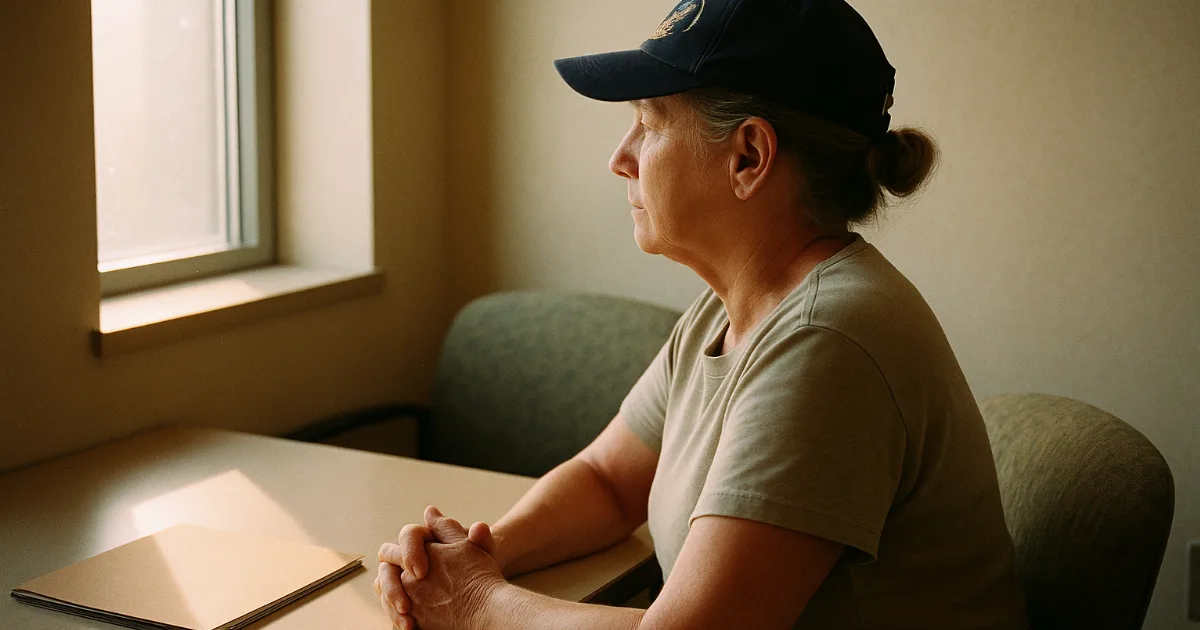
SACRAMENTO, CA — The pulmonologist's exact words were "we need to talk about something more serious," and Patricia Okonkwo knew, even before she sat down, that the months of fatigue and the fluid around her right lung weren't just stress. The retired Navy contractor from Vallejo had spent fourteen years working in buildings where asbestos pipe insulation was as common as fluorescent lighting. Her diagnosis of pleural mesothelioma came in February 2025, and within six weeks, her oncologist at UC Davis Comprehensive Cancer Center had enrolled her in a clinical trial combining immunotherapy with a novel targeted agent. By her six-month scan, the tumor had stopped growing.
Patricia's story represents a meaningful shift in what mesothelioma treatment outcomes can look like. It's a data point in a much larger transformation happening across California's cancer care landscape, where a convergence of immunotherapy breakthroughs, surgical refinement, and an unprecedented density of open clinical trials is changing what mesothelioma treatment can actually look like for patients in 2026.
This article is for anyone navigating that landscape right now. Whether you're a patient who received a diagnosis last month, a family member trying to understand treatment options, or a veteran whose asbestos exposure happened decades ago on a naval vessel, what follows is the most complete picture available of where California mesothelioma treatment stands today, what's working, what's still being studied, and how to access it.
Why California Has Become the Nation's Most Important Mesothelioma Treatment State
California isn't just large. It's strategically positioned at the intersection of the nation's highest asbestos exposure history, its most concentrated research infrastructure, and its most active clinical trial pipeline. The state's industrial legacy, from the shipyards of San Francisco Bay and Long Beach to the oil refineries of Richmond and Torrance, left behind a population of workers and veterans with some of the highest mesothelioma incidence rates in the country.
According to the National Cancer Institute, California is home to more NCI-designated cancer centers than any other state, with institutions including UC San Francisco, UC San Diego's Moores Cancer Center, City of Hope, Stanford Health Care, and UCLA's Jonsson Comprehensive Cancer Center each running active mesothelioma programs. That concentration matters enormously. It means that a patient in Los Angeles, San Diego, or the Bay Area is likely within driving distance of a center that treats mesothelioma not as an occasional case but as a specialty.
The state's clinical trial infrastructure amplifies this advantage. A search of ClinicalTrials.gov shows multiple open mesothelioma trials currently recruiting in California, spanning immunotherapy combinations, CAR-T cell approaches, targeted drug delivery systems, and biomarker-driven patient selection protocols. For patients who've exhausted or don't qualify for standard treatment, this pipeline represents real options, not theoretical ones.
What I hear from patients going through this is that they often don't know these trials exist until they're already deep into a standard treatment course. One of the most important things a California patient can do after diagnosis is ask their oncologist specifically about active trials at NCI-designated centers, not just the hospital where they initially received their diagnosis.
The Standard of Care in 2026: What Treatment Actually Looks Like
For most newly diagnosed pleural mesothelioma patients in California, first-line treatment in 2026 reflects a pivotal shift that began with the CheckMate 743 trial, published in the New England Journal of Medicine in 2021. That study enrolled 605 patients with unresectable pleural mesothelioma and compared nivolumab plus ipilimumab, a dual checkpoint inhibitor combination, against the previous standard of pemetrexed-based chemotherapy. The immunotherapy combination produced a median overall survival of 18.1 months versus 14.1 months for chemotherapy, with a 2-year survival rate of 41 percent versus 27 percent.
Those numbers fundamentally changed prescribing patterns. Nivolumab plus ipilimumab is now FDA-approved for first-line treatment of unresectable pleural mesothelioma, and California's major cancer centers have incorporated it into their standard protocols. According to Memorial Sloan Kettering Cancer Center's mesothelioma program, which shares research data and treatment frameworks with West Coast affiliates, the combination is particularly effective in patients with non-epithelioid histology, where chemotherapy historically performed worst.
For patients with pleural mesothelioma who are surgical candidates, the picture is more complex. California's leading thoracic surgery programs continue to debate the optimal surgical approach. Extrapleural pneumonectomy, which removes the lung, pleura, pericardium, and diaphragm, offers the most complete cytoreduction but carries significant mortality risk. Pleurectomy/decortication, which preserves the lung while stripping the pleural lining, has gained favor at many California centers as survival data has matured.
According to the Brigham and Women's Hospital Mesothelioma and Pleural Disease Program, one of the most influential mesothelioma surgical programs in the country, the trend has moved toward lung-sparing surgery for appropriately selected patients, combined with heated intraoperative chemotherapy, known as HITHOC, to address microscopic residual disease. Several California centers, including UC San Diego and Stanford, have adopted HITHOC protocols that deliver cisplatin directly into the chest cavity at the time of surgery, at temperatures that enhance cytotoxic effect.
For patients with peritoneal mesothelioma, a different but equally specialized treatment path exists. Cytoreductive surgery combined with hyperthermic intraperitoneal chemotherapy, called HIPEC, remains the standard at California centers with the surgical volume to perform it safely. City of Hope and UC San Diego have established HIPEC programs that have treated hundreds of peritoneal mesothelioma patients, with five-year survival rates in selected candidates reaching 40 to 50 percent according to data published in the Journal of Thoracic Oncology.
Chemotherapy for mesothelioma remains a critical component of most treatment plans, even as immunotherapy has taken a more prominent first-line role. Pemetrexed plus cisplatin or carboplatin continues to be used for patients who don't qualify for or don't respond to immunotherapy, and it remains the backbone of most heated intraoperative delivery protocols.
The Immunotherapy Revolution: What CheckMate 743 Actually Changed
To understand why California oncologists are so focused on immunotherapy combinations, it helps to understand where mesothelioma treatment was as recently as 2020. For nearly two decades, pemetrexed plus cisplatin, approved by the FDA in 2004, was the only approved first-line regimen. Median survival remained stubbornly below fifteen months. Patients who progressed after chemotherapy had almost no approved options.
The CheckMate 743 trial changed that trajectory. Published in the New England Journal of Medicine, the study demonstrated that nivolumab plus ipilimumab, two checkpoint inhibitors that block PD-1 and CTLA-4 respectively, produced durable responses in a subset of patients that chemotherapy simply couldn't reach. The 2-year survival advantage was most pronounced in patients with non-epithelioid histology, where the immunotherapy arm achieved 38 percent two-year survival compared to just 15 percent with chemotherapy.
For epithelioid mesothelioma, which accounts for approximately 60 percent of cases, the survival advantage was more modest but still clinically meaningful. This has prompted California researchers to focus on biomarker-driven patient selection, trying to identify which epithelioid patients are most likely to respond to immunotherapy upfront versus those who might benefit from chemotherapy first.
Research published through the National Center for Biotechnology Information has identified several promising biomarkers for mesothelioma, including BAP1 mutation status, PD-L1 expression levels, and tumor mutational burden. California centers including UCSF and UCLA are incorporating these markers into their patient selection protocols, though researchers caution that no single biomarker has yet achieved the predictive precision needed for definitive treatment guidance.
"What we're seeing in California's major centers is a shift from population-level treatment decisions to individual-level ones. The question isn't just 'what does the trial say' but 'what does this patient's tumor biology tell us.'" — Yvette Abrego, Patient Advocate, Mesothelioma-Lung-Cancer.org
The practical implication for patients is significant. If you're being treated at a community oncology practice rather than an NCI-designated center, your oncologist may not be running biomarker panels that could influence your first-line treatment decision. Many patients and families I've worked with have found that a single consultation at a major California cancer center, even if they ultimately receive treatment closer to home, changed their treatment plan entirely.
If you're unsure where to start, our locations directory can help you identify the nearest NCI-designated center with an active mesothelioma program.
!Researcher's hands holding immunotherapy vial and clinical trial form at UC Davis Cancer Center
California's Clinical Trial Pipeline: What's Open and Who Qualifies
One of the most consequential decisions a mesothelioma patient in California can make is whether to pursue a clinical trial. In 2026, that decision is more consequential than ever, because the trials currently recruiting in California represent the next generation of treatment, not experimental long shots.
According to ClinicalTrials.gov, multiple mesothelioma trials are actively recruiting at California sites. These span several categories that are worth understanding.
Immunotherapy combinations beyond CheckMate 743. Several trials are testing whether adding a third agent to the nivolumab/ipilimumab backbone, including anti-LAG-3 antibodies and anti-TIGIT agents, can push response rates higher. UCSF and UCLA are among the California sites participating in these combination trials.
CAR-T cell therapy targeting mesothelin. Mesothelioma cells overexpress a protein called mesothelin, making them an attractive target for chimeric antigen receptor T-cell therapy. Early-phase trials at California centers are testing CAR-T constructs specifically engineered for mesothelin, with early results showing disease control in heavily pretreated patients.
Tumor treating fields combined with chemotherapy. The Optune Lua device, which delivers low-intensity alternating electric fields to disrupt cancer cell division, received FDA approval for use with chemotherapy in pleural mesothelioma in 2019. California trials are now examining whether tumor treating fields can be combined with immunotherapy, a combination that hasn't been formally studied in large randomized trials.
Antibody-drug conjugates. These targeted agents deliver chemotherapy directly to cancer cells by attaching a cytotoxic payload to an antibody that recognizes a tumor-specific protein. Several California sites are participating in trials of ADCs targeting mesothelin and other mesothelioma-associated antigens.
Biomarker-selected trials. Perhaps the most important category for 2026. These trials use genomic profiling to match patients to agents based on their tumor's specific mutations. The NCI's MATCH trial and similar precision oncology platforms include mesothelioma patients and have California enrollment sites.
The NCI Clinical Trials Search Database is the most comprehensive resource for finding open trials, but navigating it without guidance can be overwhelming. The most important step you can take right now, if you're a California patient interested in trials, is to request a referral to the mesothelioma program at the nearest NCI-designated center and specifically ask about open trials for your histologic subtype and disease stage.
For veterans, who represent a disproportionately large share of California's mesothelioma population given the state's massive naval presence, additional trial access may be available through the VA's national oncology network. Our veterans resource page has specific guidance on accessing VA-affiliated mesothelioma programs.

The Surgery Question: Who Benefits and Where to Go in California
Surgery for mesothelioma is one of the most debated topics in oncology, and California's thoracic surgery programs sit at the center of that debate. The core question, which remains unresolved by randomized trial data, is whether aggressive cytoreductive surgery extends survival when combined with modern systemic therapy, or whether it primarily adds morbidity without meaningful survival benefit for most patients.
The MARS 2 trial, a British randomized study published in 2023, found that pleurectomy/decortication did not improve survival compared to chemotherapy alone in the trial population. That result sent shockwaves through the mesothelioma surgical community. California's leading thoracic surgeons have responded with nuance rather than abandonment: the consensus emerging at centers like UC San Diego and Stanford is that patient selection is everything.
According to the Moffitt Cancer Center's mesothelioma program, which shares research and treatment protocols with West Coast institutions, the patients most likely to benefit from surgery are those with early-stage epithelioid disease, good performance status, no involvement of mediastinal lymph nodes, and adequate pulmonary reserve to tolerate the procedure. In carefully selected patients meeting these criteria, surgery combined with multimodal therapy remains a viable path toward long-term disease control.
For California patients considering surgery, the volume question matters enormously. Mesothelioma surgery is technically demanding and outcomes are strongly correlated with institutional experience. Centers performing fewer than five to ten mesothelioma resections per year carry meaningfully higher complication rates than high-volume programs. Patients should ask their surgeon directly how many mesothelioma resections they perform annually and what their center's 90-day mortality rate is for the specific procedure being recommended.
The Brigham and Women's Hospital Mesothelioma and Pleural Disease Program, which has trained many of the surgeons now operating at California centers, recommends that patients seek a second surgical opinion at a center performing at least fifteen to twenty mesothelioma operations per year before committing to any resection.
Biomarkers and the Push for Earlier Detection
Imagine a future where mesothelioma is caught not when a patient can't breathe, but when it's still microscopic, before symptoms begin. That future is still years away, but California researchers are building its foundation right now.
Research published through the National Center for Biotechnology Information has catalogued a growing panel of blood-based and tissue-based biomarkers with potential utility in mesothelioma detection and prognosis. Fibulin-3, a glycoprotein found in plasma and pleural fluid, showed early promise as a diagnostic marker. Soluble mesothelin-related peptides, marketed as the MESOMARK assay, are already FDA-cleared for monitoring known mesothelioma but have limited sensitivity for early detection.
The most promising early detection work in California involves high-risk surveillance programs targeting individuals with documented asbestos exposure. UCSF has piloted a surveillance program for former shipyard workers and asbestos insulation workers that combines low-dose CT scanning with serial biomarker testing. The goal is to identify mesothelioma at stage I or II, when surgery is more likely to be curative and immunotherapy responses are more durable.
For patients already diagnosed, biomarker profiling serves a different but equally important purpose: guiding treatment selection and monitoring response. California centers are increasingly using cell-free DNA analysis, sometimes called liquid biopsy, to track tumor burden over time without requiring repeat tissue sampling. This allows oncologists to detect early signs of treatment resistance and adjust therapy before radiographic progression becomes apparent.
According to research published in Clinical Cancer Research, BAP1 mutation status has emerged as a particularly important prognostic marker in mesothelioma. Patients with BAP1-mutated tumors appear to have better outcomes with immunotherapy, a finding that several California centers are using to guide first-line treatment decisions in clinical practice.
Radiation Therapy's Evolving Role in California Mesothelioma Care
Radiation therapy has historically played a limited role in mesothelioma treatment, largely because the pleural surface surrounds vital structures that can't tolerate high radiation doses. But California's radiation oncology programs are pushing the boundaries of what's possible with modern delivery techniques.
Intensity-modulated radiation therapy, or IMRT, allows radiation oncologists to sculpt dose distributions around critical structures with a precision that wasn't available a decade ago. At UCLA and UC San Diego, IMRT is being used in two specific contexts: prophylactic irradiation of surgical drain sites to prevent tumor seeding along needle tracks, and as a component of definitive multimodal treatment for patients who've undergone extrapleural pneumonectomy.
The most innovative radiation approach being explored in California is stereotactic ablative radiotherapy, or SABR, for oligometastatic mesothelioma. When mesothelioma spreads to a limited number of distant sites, SABR can deliver ablative doses to those sites with minimal damage to surrounding tissue, potentially converting what would otherwise be systemic disease into a more controllable local problem. This approach is being studied in combination with immunotherapy at several California centers.
Hemithoracic radiation following extrapleural pneumonectomy, once a standard component of the trimodality approach pioneered at Brigham and Women's Hospital, has fallen out of favor at most California centers following trials showing significant toxicity without clear survival benefit. Most California programs now reserve adjuvant radiation for patients with positive surgical margins or nodal involvement.
The Veterans' Dimension: California's Unique Population
No discussion of California mesothelioma treatment is complete without addressing the veterans who make up such a large portion of the state's diagnosed population. California is home to more veterans than any other state, according to the U.S. Department of Veterans Affairs, and the state's history as a hub for naval shipbuilding and maintenance operations means that asbestos exposure among veterans is widespread.
Shipyards in Vallejo, Long Beach, San Diego, and San Francisco exposed generations of Navy personnel and civilian contractors to asbestos in virtually every part of ship construction and repair. Engine rooms were insulated with asbestos-wrapped pipes. Boiler rooms used asbestos gaskets and packing. Machinists, pipefitters, electricians, and boilermakers all worked in environments where asbestos dust was a constant presence.
The VA's national mesothelioma program has expanded significantly in recent years, with California VA medical centers in San Diego, Los Angeles, San Francisco, and Sacramento all offering oncology services. However, what I hear from patients going through this, particularly veterans, is that VA mesothelioma care varies considerably by facility. The larger academic VA medical centers, particularly those affiliated with UC medical schools, offer access to clinical trials and multidisciplinary tumor boards that smaller VA facilities simply cannot match.
Veterans with mesothelioma are also entitled to VA disability compensation and may qualify for additional benefits through the Veterans Benefit Administration. Mesothelioma is recognized by the VA as a service-connected condition for veterans with documented asbestos exposure during military service, which means the disability rating process, while sometimes lengthy, typically results in 100 percent compensation for those who qualify.
Beyond VA benefits, many California veterans with mesothelioma are also eligible for compensation through asbestos trust funds established by bankrupt asbestos manufacturers. The trust fund directory on our site lists the major trusts and their claim processes. This compensation is entirely separate from VA benefits and does not affect VA eligibility.
Navigating California's Major Mesothelioma Centers: A Practical Guide
For a patient newly diagnosed in California, the geography of treatment options can be as overwhelming as the diagnosis itself. Here's how the major programs are differentiated, based on publicly available information from the institutions themselves.
UC San Diego Moores Cancer Center is one of the most active mesothelioma programs in the western United States. The center runs a dedicated thoracic oncology program with surgeons experienced in both pleurectomy/decortication and HIPEC for peritoneal disease. It participates in multiple open clinical trials and has a multidisciplinary mesothelioma tumor board that meets regularly to review new cases.
UCSF Helen Diller Family Comprehensive Cancer Center in San Francisco is particularly strong in translational research, meaning the science happening in its laboratories is closely connected to its clinical trial offerings. UCSF has been involved in early-phase immunotherapy trials and has a growing biomarker program for high-risk surveillance.
UCLA Jonsson Comprehensive Cancer Center has one of the strongest thoracic surgery programs in the country, with surgeons who have published extensively on mesothelioma outcomes. UCLA also has a robust radiation oncology program that has been at the forefront of IMRT applications in thoracic malignancies.
City of Hope in Duarte is particularly distinguished for its peritoneal mesothelioma program. Its HIPEC program has treated a large volume of peritoneal mesothelioma patients and has published outcome data showing survival rates that compare favorably with the best programs nationally.
Stanford Health Care's Cancer Center offers access to clinical trials through the Stanford Cancer Institute and has a thoracic surgery program with experience in both lung-sparing and more extensive resections.
For patients outside major metropolitan areas, the locations directory can help identify the nearest comprehensive cancer center and affiliated community programs that may offer closer-to-home treatment under the supervision of a major center's mesothelioma team.
According to Memorial Sloan Kettering Cancer Center's mesothelioma program, one of the most evidence-based recommendations in mesothelioma care is that all newly diagnosed patients should receive at minimum one consultation at a center with a dedicated mesothelioma program before beginning any treatment. This is true even if you ultimately choose to receive chemotherapy infusions at a local oncology practice. The treatment plan should be designed by specialists.
The Financial and Legal Landscape: What California Patients Need to Know
Treatment at California's leading cancer centers is extraordinarily effective. It's also extraordinarily expensive. A full course of nivolumab plus ipilimumab can cost more than $250,000 per year before insurance adjustments. Surgery, when combined with HITHOC or HIPEC, can involve hospitalizations of two weeks or more. Clinical trial participation often doesn't cover all associated costs.
For patients and families navigating this financial reality, understanding all available compensation pathways is essential. California has a statute of limitations for mesothelioma lawsuits that patients must understand, because missing the filing deadline permanently forecloses legal compensation options. Our statute of limitations calculator can help you understand the specific timeline that applies to your situation.
Asbestos trust funds represent the most accessible compensation pathway for many California patients. More than 60 trusts have been established by bankrupt asbestos manufacturers, with total assets exceeding $30 billion according to RAND Corporation research. These trusts pay claims on a no-fault basis, meaning you don't need to prove negligence, only that you were exposed to the company's asbestos product and developed mesothelioma as a result. Many California patients qualify for claims against multiple trusts simultaneously.
For patients and families dealing with the combined burden of a mesothelioma diagnosis and financial pressure, understanding these compensation options early, ideally within weeks of diagnosis rather than months, can make a significant difference in your ability to access the best available treatment without financial catastrophe.
What's Coming Next: The Research Horizon for 2026 and Beyond
The pace of mesothelioma research is accelerating in ways that weren't predictable even three years ago. Several developments on the horizon deserve attention from California patients and their families.
Bispecific antibodies are a new class of immunotherapy agents that simultaneously engage two different targets, typically a tumor antigen and a T-cell activating receptor. Bispecifics targeting mesothelin are in early clinical trials, with California sites among the enrollment locations. Early data suggests these agents can produce responses in patients who've failed checkpoint inhibitors.
Personalized cancer vaccines based on each patient's tumor neoantigens are moving from concept to early clinical testing. The idea is to train the immune system to recognize the specific mutational fingerprint of an individual's tumor. While mesothelioma has a relatively low tumor mutational burden compared to cancers like melanoma, California researchers are exploring whether neoantigen vaccines can be combined with checkpoint inhibitors to amplify immune responses.
Oncolytic viruses engineered to selectively infect and destroy cancer cells while stimulating immune responses are being tested in pleural mesothelioma. These agents are delivered directly into the pleural space and have shown early signals of efficacy in combination with checkpoint inhibitors in phase I trials.
Epigenetic therapies targeting the mechanisms by which mesothelioma cells silence tumor suppressor genes are another active research area. BAP1, the most commonly mutated gene in mesothelioma, is an epigenetic regulator, and drugs that compensate for its loss are being developed and tested.
According to the Journal of Thoracic Oncology, the field is also increasingly focused on the tumor microenvironment, the complex ecosystem of immune cells, fibroblasts, and signaling molecules that surrounds mesothelioma cells and strongly influences treatment response. Understanding how to reshape this microenvironment to make it more hostile to tumor cells and more responsive to immunotherapy is a major research priority at California's NCI-designated centers.
The most important step you can take right now, if you're a California patient or caregiver reading this, is to connect with a mesothelioma specialist at one of these centers before making any major treatment decisions. The landscape is moving fast enough that treatment recommendations from even twelve months ago may not reflect what's available today.
A Note on Palliative Care: Treatment for Quality of Life, Not Just Survival
Among all the advances in California mesothelioma treatment, one of the most significant but least discussed is the integration of palliative care as a standard component of treatment from the moment of diagnosis, not just at end of life.
Research has shown that patients with thoracic malignancies who receive early palliative care alongside standard oncologic treatment report better quality of life, better symptom control, and in some studies, longer survival than those who receive palliative care only when curative treatment has been exhausted. California's major cancer centers have responded to this evidence by embedding palliative care specialists in their mesothelioma teams.
For mesothelioma specifically, symptom management is a critical treatment component. Malignant pleural effusion, the buildup of fluid around the lung that causes breathlessness, affects most pleural mesothelioma patients at some point in their disease course. California centers offer several approaches to managing effusion, including indwelling pleural catheters that allow patients to drain fluid at home, and pleurodesis procedures that fuse the pleural layers to prevent fluid reaccumulation.
Pain management, nutritional support, psychological counseling, and social work services are all components of comprehensive palliative care that California's major mesothelioma programs now offer as integrated services. Many patients and families I've worked with have found that addressing these dimensions of care alongside the oncologic treatment itself made a meaningful difference in their ability to tolerate aggressive therapy and maintain quality of life throughout treatment.
The patients and families resource hub on our site includes guides to palliative care, caregiver support, and navigating the emotional dimensions of a mesothelioma diagnosis alongside the medical ones.
How to Take Action: A Practical Roadmap for California Patients
If you've read this far, you're likely either a patient, a caregiver, or someone trying to understand options for a loved one. Here's the most direct guidance I can offer based on what the evidence supports and what I've seen work for patients navigating this disease in California.
Step one: Get a second opinion at an NCI-designated center. Even if you've already started treatment, a second opinion from a mesothelioma specialist can confirm your diagnosis, review your histologic subtype and staging, and identify clinical trials you may not have been told about. This is not a betrayal of your current oncologist. It's standard practice in mesothelioma care.
Step two: Ask for comprehensive biomarker testing. Your tumor should be tested for BAP1 mutation status, PD-L1 expression, and if possible, broader genomic profiling. These results can influence your first-line treatment decision and your eligibility for specific clinical trials.
Step three: Understand your legal and compensation options early. California's statute of limitations means that legal options have deadlines. Connecting with a mesothelioma attorney in the first weeks after diagnosis, not months later, preserves all your options. The statute of limitations tool can help you understand your specific timeline.
Step four: Explore clinical trial eligibility. Ask your oncologist about open trials at your nearest NCI-designated center. Use the NCI Clinical Trials Search Database to identify trials for your specific histologic subtype and stage. Trial participation is not a last resort. In mesothelioma, some of the best available treatment is happening inside trials.
Step five: Build a support team. Mesothelioma treatment in California is complex enough that navigating it alone is genuinely difficult. Patient navigators at major cancer centers, social workers, palliative care specialists, and advocacy organizations like those listed in our patients and families hub can help you coordinate care, manage logistics, and access financial assistance programs.
California's mesothelioma treatment landscape in 2026 is genuinely different from what it was five years ago. The combination of immunotherapy advances, surgical refinement, clinical trial access, and a growing understanding of tumor biology means that patients diagnosed today have more options and more reason for hope than any previous generation. The work ahead is to make sure every patient in this state can access those options, regardless of geography, income, or insurance status.

Frequently Asked Questions
What is the current standard first-line treatment for mesothelioma in California?
For most patients with unresectable pleural mesothelioma, the FDA-approved first-line standard in 2026 is nivolumab plus ipilimumab, based on the CheckMate 743 trial published in the New England Journal of Medicine. This dual checkpoint inhibitor combination demonstrated a median overall survival of 18.1 months versus 14.1 months for chemotherapy, with particular benefit in non-epithelioid histology. Patients who are surgical candidates may receive surgery combined with heated intraoperative chemotherapy as part of a multimodal approach. Treatment decisions should be made in consultation with a mesothelioma specialist at an NCI-designated center.
How many mesothelioma clinical trials are currently open in California?
As of 2026, multiple mesothelioma clinical trials are actively recruiting at California sites, according to ClinicalTrials.gov. These span immunotherapy combinations, CAR-T cell therapy targeting mesothelin, antibody-drug conjugates, tumor treating fields, and biomarker-selected precision oncology approaches. The number of open trials fluctuates as studies open and close enrollment. Patients should search the NCI Clinical Trials Search Database filtered by California location and their specific mesothelioma histologic subtype to see current options.
Does California have NCI-designated cancer centers that specialize in mesothelioma?
Yes. California has more NCI-designated cancer centers than any other state, according to the National Cancer Institute. Centers with active mesothelioma programs include UC San Diego Moores Cancer Center, UCSF Helen Diller Family Comprehensive Cancer Center, UCLA Jonsson Comprehensive Cancer Center, City of Hope, and Stanford Cancer Institute. Each of these programs has dedicated thoracic oncology teams, participates in clinical trials, and holds regular multidisciplinary tumor boards for mesothelioma cases.
What is HIPEC and which California centers offer it for peritoneal mesothelioma?
HIPEC stands for hyperthermic intraperitoneal chemotherapy. It's a procedure performed at the time of cytoreductive surgery in which heated chemotherapy is circulated through the abdominal cavity to kill microscopic cancer cells that can't be surgically removed. For peritoneal mesothelioma, cytoreductive surgery plus HIPEC is the standard of care for eligible patients and can produce five-year survival rates of 40 to 50 percent in selected cases, according to data published in the Journal of Thoracic Oncology. City of Hope and UC San Diego are among the California centers with established HIPEC programs.
Are California veterans with mesothelioma eligible for special benefits or treatment access?
Yes. Veterans diagnosed with mesothelioma who can document asbestos exposure during military service are eligible for VA disability compensation, which is typically rated at 100 percent for mesothelioma. California VA medical centers in San Diego, Los Angeles, San Francisco, and Sacramento offer oncology services, with the academic-affiliated facilities providing access to clinical trials. Veterans are also eligible for compensation through asbestos trust funds established by bankrupt manufacturers, which is entirely separate from VA benefits. Our veterans resource page has detailed guidance on both pathways.
What biomarkers are being used to guide mesothelioma treatment decisions in 2026?
California's leading mesothelioma programs are increasingly using biomarker profiling to guide treatment decisions. BAP1 mutation status, PD-L1 expression, and tumor mutational burden are the most clinically
This article is for informational purposes only and does not constitute medical advice. Consult your healthcare provider for guidance specific to your situation.


Comments (2)
— Yvette Abrego