


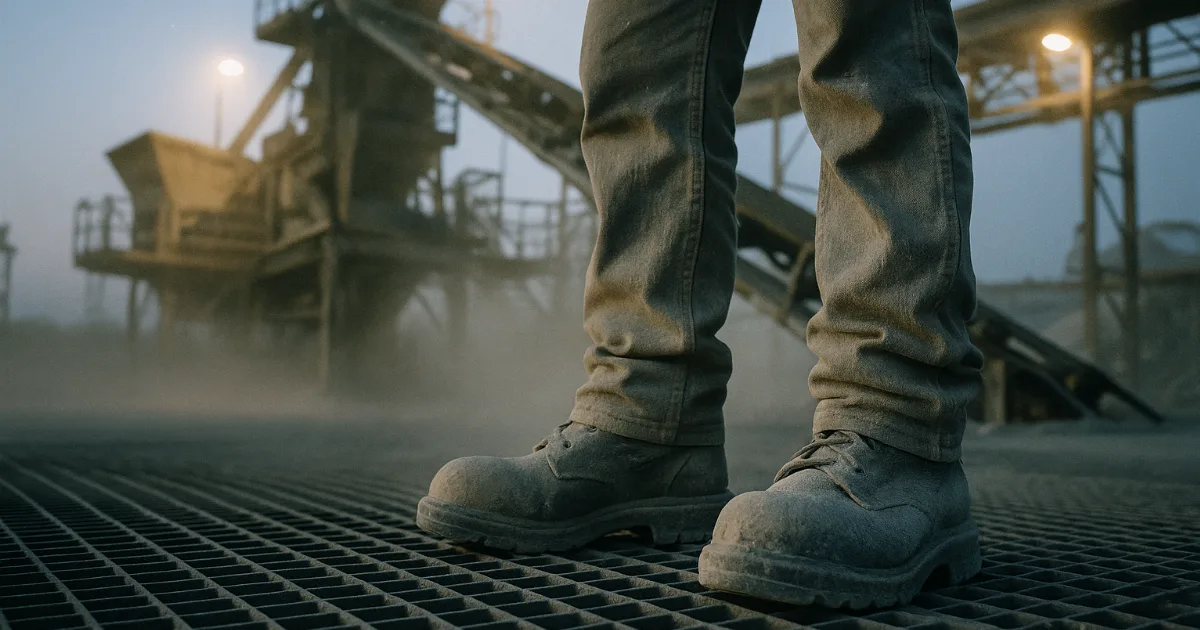
JACKSONVILLE, FL — Marco Delgado spent 27 years as a pipefitter at a phosphate processing plant in central Florida, breathing air thick with mineral dust that nobody warned him about. When a pulmonologist in Gainesville delivered a pleural mesothelioma diagnosis in the spring of 2024, Marco's first instinct wasn't to call a lawyer. He called his daughter.
She was the one who eventually found a mesothelioma attorney in Tampa. And she was the one who learned, during their first consultation, that Florida's statute of limitations for mesothelioma claims is two years from the date of diagnosis. Marco had already used up eleven months.
His story isn't unusual. What I hear from patients going through this is that the legal piece feels overwhelming, even secondary, when you're fighting for your life. But Florida's legal landscape for asbestos cases is both active and time-sensitive, and understanding it can mean the difference between financial security for a family and nothing at all.
What Makes Florida a Significant State for Mesothelioma Litigation?
Florida is one of the most active states in the country for mesothelioma lawsuits, driven by decades of heavy industrial activity across its ports, naval bases, power plants, shipyards, and construction sites. According to data from the Environmental Working Group, Florida consistently ranks among the top ten states for mesothelioma mortality, with thousands of deaths attributed to asbestos-related disease over the past two decades.
The state's industrial history explains much of this. Port workers in Tampa and Jacksonville, Navy veterans who trained or were stationed at Pensacola Naval Air Station or Mayport Naval Station, construction workers who installed asbestos-laden insulation in the state's post-war building boom — all of these populations carry elevated exposure risk. The CDC's National Institute for Occupational Safety and Health has documented that occupational asbestos exposure remains the primary driver of mesothelioma diagnoses, with latency periods of 20 to 50 years between exposure and diagnosis. That long delay is precisely why Florida is still seeing new cases from exposures that happened in the 1970s and 1980s.
Florida courts have handled major asbestos litigation for decades, and the state maintains a specialized asbestos docket in several counties, including Hillsborough and Duval, that are designed to move cases through the system more efficiently. Experienced mesothelioma attorneys in Florida know these courts, know the judges, and know which defendant companies have already established asbestos bankruptcy trust funds that may provide compensation independent of a lawsuit.
Why the Right Attorney Changes Everything for Florida Patients
Legal representation in a mesothelioma case isn't like hiring a general personal injury attorney. The science is specialized, the defendant research is complex, and the compensation pathways — which can include lawsuits, asbestos trust fund claims, and VA benefits — require someone who has navigated this specific terrain before.
Many patients and families I've worked with have made the mistake of hiring a local attorney who handles car accidents and slip-and-fall cases, only to discover months later that the attorney had no idea how to identify the dozens of companies that may have manufactured or installed the asbestos products their loved one was exposed to. In mesothelioma cases, identifying every potential defendant is foundational. Missing one can mean leaving significant compensation on the table.
According to the World Health Organization, there is no safe level of asbestos exposure, and the diseases it causes — including mesothelioma — are entirely preventable, which means liability can often be traced directly to companies that knowingly continued using asbestos despite internal knowledge of its dangers. Florida mesothelioma attorneys build cases around this corporate knowledge, using internal documents, product identification, and occupational history to establish liability.
A skilled mesothelioma attorney will typically work on contingency, meaning patients pay nothing unless compensation is recovered. That structure matters enormously for families already managing the financial burden of treatment.
"The most important step you can take right now isn't choosing between a lawsuit and a trust fund claim — it's finding an attorney who has handled mesothelioma cases specifically, not just asbestos cases generally."
Understanding Florida's Two-Year Statute of Limitations
Marco Delgado's eleven-month delay wasn't reckless. It was human. A mesothelioma diagnosis triggers a cascade of appointments, second opinions, treatment decisions, and emotional reckonings that leave little bandwidth for legal research. But Florida Statutes Section 95.11 sets a strict two-year deadline for personal injury claims, and mesothelioma is not exempt.
The clock typically starts on the date of diagnosis, though Florida courts have sometimes applied the "discovery rule," which starts the clock when a patient knew or reasonably should have known that their illness was connected to asbestos exposure. That nuance matters, but it's not a reliable safety net — courts interpret it narrowly, and waiting to see if it applies is a gamble no family should take.
For wrongful death claims filed by surviving family members after a patient has died, Florida allows two years from the date of death. This is a separate deadline from the personal injury claim, and it doesn't extend the original filing window. If a patient dies before filing, the family must file within two years of the death — not two years from the original diagnosis.
Florida also has specific procedural requirements for asbestos cases, including mandatory case management conferences and requirements for plaintiffs to identify all potential defendants early in the litigation. An attorney unfamiliar with Florida's asbestos docket can miss these procedural deadlines, which can compromise a case even when the underlying liability is strong.
For patients who are unsure whether their exposure history might support a claim, the trust fund checker tool can be a useful first step in identifying which bankrupt asbestos companies may have set aside compensation that doesn't require a lawsuit at all.
!Adult daughter's hands holding diagnosis document at home kitchen table with laptop visible
What Florida's Industrial History Means for Your Case
A retired Navy electrician from Pensacola who spent his career aboard destroyers and aircraft carriers at a time when asbestos was standard insulation on every pipe and bulkhead — his exposure history looks very different from a school custodian in Orlando who disturbed floor tiles during routine maintenance in the 1980s. Both may have valid claims. But the defendants, the documentation strategy, and the compensation pathways will be completely different.
Florida's industrial geography creates distinct exposure clusters that experienced mesothelioma attorneys have already mapped. The Tampa Bay area's phosphate industry, one of the largest in the world, used asbestos extensively in processing equipment. The Jacksonville and Port Canaveral shipyards exposed generations of workers to insulation, gaskets, and pipe coverings that contained chrysotile and amosite asbestos. Power generation facilities across the state relied on asbestos-insulated boilers and turbines well into the 1980s.
For veterans, the picture is particularly significant. Florida is home to one of the largest veteran populations in the country, and military service — especially in the Navy — created some of the most intense asbestos exposures ever documented. According to the CDC's occupational cancer data, Navy veterans have among the highest mesothelioma incidence rates of any occupational group. Veterans in Florida may pursue VA disability benefits alongside a legal claim, and the two pathways don't cancel each other out. An experienced mesothelioma attorney can help coordinate both.
Patients can also use the locations directory to find Florida-specific resources, including treatment centers and legal support organizations that specialize in asbestos-related disease.
How to Evaluate a Mesothelioma Attorney in Florida
Not every attorney who advertises asbestos experience has genuine mesothelioma case depth. Florida's legal market is large, and the advertising is aggressive. Here's what actually separates a capable mesothelioma attorney from a general personal injury practice that occasionally handles asbestos cases.
First, ask specifically how many mesothelioma cases the firm has resolved, not just asbestos cases. Mesothelioma cases are medically distinct from asbestosis or pleural plaques, and the legal strategy differs accordingly. A firm that has resolved hundreds of mesothelioma claims has product identification databases, occupational history resources, and defendant research infrastructure that a general practice simply doesn't maintain.
Second, ask whether the firm handles trust fund claims in addition to lawsuits. There are currently more than 60 active asbestos bankruptcy trust funds in the United States, established by companies that manufactured or distributed asbestos-containing products and subsequently filed for bankruptcy. According to legal research on asbestos compensation, these trusts have paid out tens of billions of dollars in total claims. Many Florida patients are eligible for trust fund compensation without ever filing a lawsuit, and some are eligible for both. Understanding the difference between a lawsuit and a trust fund claim is essential before choosing a legal strategy.
Third, ask about the firm's approach to expedited proceedings. Florida courts, like many states, allow mesothelioma patients with terminal diagnoses to request preferential trial settings that move cases forward faster. This matters enormously for patients who want to see resolution during their lifetime. An attorney experienced in Florida's asbestos docket will know how to invoke this option and when it makes strategic sense.
Finally, ask whether the firm has a dedicated medical team or works with mesothelioma specialists. The strongest mesothelioma cases connect legal liability to medical causation in ways that require both legal and clinical expertise. Firms that work closely with oncologists, pathologists, and occupational medicine specialists build more compelling cases.
What Patients and Families Should Do Next
If you or someone in your family has received a pleural mesothelioma diagnosis in Florida, the sequence of steps matters. Medical treatment comes first, always. But the legal consultation should happen within the first 30 to 60 days of diagnosis, not as an afterthought after treatment decisions are settled.
The most important step you can take right now is to document everything you can remember about your work history, the products you handled, the companies you worked for, and the locations where you spent the most time. Mesothelioma attorneys use this occupational history to trace exposure back to specific manufacturers and distributors. The more detail you can provide, the stronger the foundation for a claim.
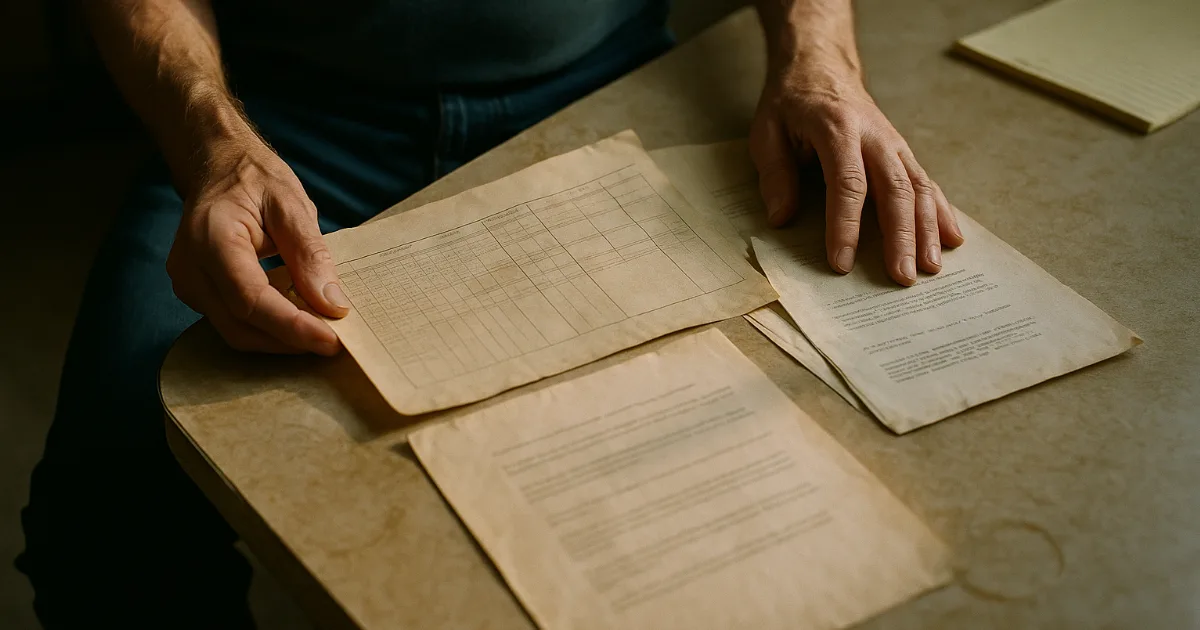
Gather any employment records, union cards, pay stubs, or Social Security earnings statements you can find. These documents help attorneys verify work history and identify defendant companies. If you worked in a unionized trade, your union hall may have records of the jobsites where you worked and the contractors who employed you.
For families navigating a diagnosis alongside treatment decisions, the diagnosis and treatment section of this site provides detailed guidance on what to expect from staging, surgery, chemotherapy, and emerging options like immunotherapy. Treatment decisions and legal decisions don't have to compete for attention — they can and should happen in parallel, with different members of a support network helping to manage each track.
If you're not sure whether your exposure history is sufficient to support a claim, a free consultation with a mesothelioma attorney carries no obligation and no cost. Most firms that specialize in this area will conduct an initial case review at no charge and give you an honest assessment of whether a claim is viable. Many patients are surprised to learn that even brief or secondary exposure — working near someone who handled asbestos products, for instance — can be sufficient to establish liability in some cases.
For Florida patients exploring all available compensation options, the asbestos exposure resource provides a comprehensive overview of how exposure is documented and how it connects to legal claims. And for those who want to understand the full landscape of treatment centers in Florida, specialized mesothelioma programs are available at several major academic medical centers in the state.
Marco Delgado filed his claim with eleven months remaining in Florida's two-year window. His attorney identified four companies whose products had been used at his worksite, two of which had established asbestos trust funds. His case didn't make the news. But it gave his family financial stability at a moment when everything else felt uncertain. That's what this process is designed to do, even when it doesn't feel that way at the start.
How Florida Compares to Other States for Asbestos Litigation
Florida's two-year statute of limitations is consistent with several other high-activity asbestos states, including Texas and Georgia. Some states, like California, allow three years for personal injury claims, giving patients somewhat more time to pursue legal options after diagnosis. According to California Department of Public Health data on mesothelioma incidence and mortality, California and Florida both rank among the states with the highest total asbestos-related disease burden, in part because of their large populations and extensive industrial histories.
What distinguishes Florida is the combination of its large veteran population, its active port and shipyard history, and its specialized asbestos court dockets that allow experienced attorneys to move cases efficiently. The state also has a significant number of retired workers who relocated to Florida after careers in industrial states like Ohio, Pennsylvania, and Michigan — meaning that some Florida mesothelioma cases involve exposure that occurred entirely outside the state, with legal claims filed in the jurisdictions where the exposure happened. A Florida-based mesothelioma attorney with national reach can navigate multi-state cases that a purely local practice cannot.
Many patients and families I've worked with are surprised to learn that where you live now doesn't necessarily determine where your case is filed. Jurisdiction follows the exposure and the defendants, not the patient's current address. This is another reason why attorney selection matters: you want someone who understands not just Florida law, but how Florida cases interact with asbestos litigation in other states and with the national trust fund system.

The Emotional Weight of the Legal Process
No one should have to think about lawsuits while managing a mesothelioma diagnosis. The emotional reality of this disease — the grief, the fear, the logistical chaos — is real, and it's valid. What I hear from patients going through this is that the legal process feels like one more thing being asked of them when they're already giving everything they have to treatment and to their families.
But the legal process, when handled by the right attorney, doesn't have to be a burden that falls on the patient. Most of the work — the document gathering, the defendant research, the court filings — is handled by the legal team. What patients and families typically provide is their story: where they worked, what they remember, who they were. That story is the foundation of every successful mesothelioma claim.
According to Cancer.net, mesothelioma treatment has advanced significantly in recent years, with immunotherapy combinations now offering extended survival for some patients. That means more patients are living long enough to see their legal cases resolved. The two tracks — medical and legal — are not in competition. They're parallel paths toward the same goal: giving patients and their families the best possible outcome in an impossible situation.
Florida's legal system, for all its complexity, offers real pathways to compensation for people who were harmed by corporate decisions made decades ago. Finding the right attorney is the first step toward accessing those pathways. It shouldn't be the last thing on the list.

Comments (6)
— Yvette Abrego