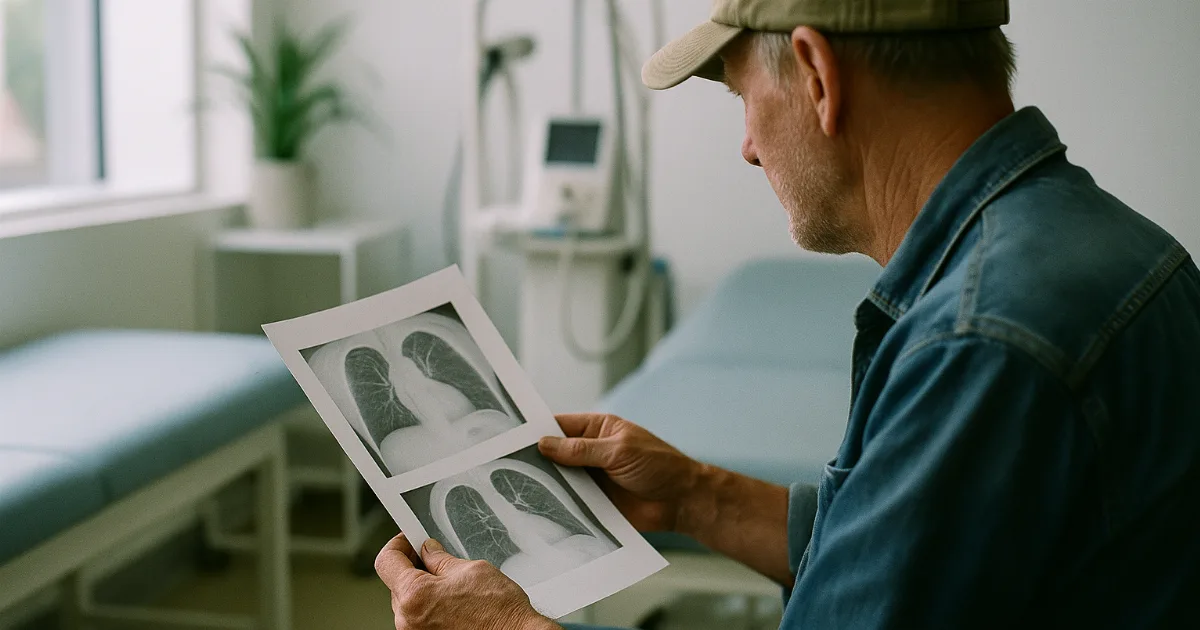
Three years before his diagnosis, David Reyes had retired from a career installing industrial insulation at refineries along the California coast. He figured the cough was allergies. Then the shortness of breath. By the time a pulmonologist at a San Jose clinic ordered imaging in the fall of 2023, the fluid around his left lung told a story that took weeks to fully absorb: pleural mesothelioma, Stage III.
What followed wasn't the grim, narrow path that Reyes had feared when he first typed the word into a search engine. His oncologist referred him to a specialized program in the Bay Area where a multidisciplinary team, including a thoracic surgeon, a medical oncologist, and a palliative care specialist, sat down with him within two weeks. Within a month, he was enrolled in a clinical trial combining immunotherapy with standard chemotherapy. That experience, which Reyes describes as "being handed a map instead of just a diagnosis," reflects a broader shift happening at California's major cancer centers right now.
What's Actually Changed in California's Mesothelioma Treatment Landscape?
California's leading mesothelioma programs have moved well beyond the standard cisplatin-plus-pemetrexed regimen that defined first-line treatment for nearly two decades. The shift accelerated after the FDA approved nivolumab plus ipilimumab for unresectable malignant pleural mesothelioma in October 2020, following results from the CheckMate 743 trial published in The Lancet. That landmark study, which enrolled 605 patients across multiple countries, showed that the dual immunotherapy combination extended median overall survival to 18.1 months compared to 14.1 months with chemotherapy alone, with even more pronounced benefits in patients with non-epithelioid histology.
According to the FDA's approval documentation, nivolumab plus ipilimumab became the first new first-line regimen approved for mesothelioma in more than fifteen years. California's major centers, including programs at UCSF, Cedars-Sinai, and City of Hope, were among the earliest to integrate the combination into clinical practice after approval, building on their participation in the trial itself.
But the real story in 2026 isn't just immunotherapy. It's the layering of treatment modalities that California centers are now using together. Tumor-treating fields (TTFields), which deliver low-intensity electric fields through wearable device arrays to disrupt cancer cell division, have moved from experimental to increasingly standard at select California programs. A 2021 analysis published in a National Institutes of Health-indexed journal examining the STELLAR trial found that adding TTFields to chemotherapy produced a median overall survival of 18.2 months in pleural mesothelioma patients, a result that drew attention from oncologists who had seen the disease resist most interventions. California programs affiliated with the STELLAR investigators were among the first to offer the device-based therapy outside of a trial setting.
For patients trying to understand all of this, the mesothelioma treatment encyclopedia offers a clear breakdown of how chemotherapy fits alongside newer modalities.
Why California's Geography Creates a Unique Treatment Advantage
Something most patients don't realize when they're first diagnosed is that geography matters enormously in mesothelioma care. What I hear from patients going through this is that they often assume the nearest oncologist is the right starting point. In California, that assumption can actually work in your favor, because the state has a concentration of NCI-designated cancer centers and mesothelioma-specific programs that is nearly unmatched in the country.
UCSF Helen Diller Family Comprehensive Cancer Center in San Francisco, City of Hope in Duarte, UC San Diego Moores Cancer Center, and Stanford Cancer Institute all maintain dedicated thoracic oncology programs with mesothelioma expertise. Each has active clinical trial portfolios that give patients access to therapies not yet available in community oncology settings. According to the National Cancer Institute's treatment guidelines, patients with mesothelioma should be evaluated at centers with experience in the disease given its rarity and the complexity of treatment decisions.
That concentration of expertise also means California patients are more likely to be evaluated for surgery. Extrapleural pneumonectomy (EPP) and pleurectomy/decortication (P/D), the two primary surgical approaches for pleural mesothelioma, require highly specialized thoracic surgical teams. The National Institutes of Health notes that surgical eligibility depends on tumor stage, cell type, and overall patient health, and that outcomes are significantly better when procedures are performed at high-volume centers. California's major programs perform enough of these cases annually to have developed institutional expertise that community hospitals simply can't replicate.
For patients outside major metro areas, the mesothelioma locations directory can help identify the nearest specialized program, including options for patients who may need to travel for an initial consultation.
"The difference between being seen at a specialized center versus a general oncology practice isn't just access to clinical trials," said one thoracic oncologist at a Northern California NCI-designated center who has treated mesothelioma patients for more than a decade. "It's the multidisciplinary conversation that happens before treatment even begins. That conversation changes outcomes."
How the CheckMate 743 Data Is Reshaping First-Line Decisions in 2026
Sit in on a tumor board discussion at a California mesothelioma program today and you'll hear a conversation that would have been unrecognizable five years ago. The question is no longer simply whether to use chemotherapy. It's which patients benefit most from immunotherapy first, which benefit from chemotherapy first, and which should be considered for surgery before any systemic treatment.
The CheckMate 743 data from The Lancet continues to drive those conversations. The trial's subgroup analysis showed that patients with non-epithelioid mesothelioma, which includes sarcomatoid and biphasic subtypes, derived the greatest survival benefit from nivolumab plus ipilimumab, with a hazard ratio of 0.46 compared to chemotherapy. For epithelioid patients, the benefit was more modest but still present. California oncologists have largely adopted a histology-first approach to first-line selection, using the cell type confirmed at biopsy to guide the initial treatment recommendation.
Pemetrexed, the chemotherapy backbone approved by the FDA in 2004 and still central to many treatment plans, remains relevant for patients who are not candidates for immunotherapy or who progress after it. According to the FDA's approval documentation for Alimta (pemetrexed disodium), the drug was approved in combination with cisplatin for malignant pleural mesothelioma based on a trial showing improved survival over cisplatin alone. California centers continue to use pemetrexed-based regimens in combination with bevacizumab for select patients, based on evidence from the MAPS trial.
What's genuinely new in 2026 is the integration of biomarker testing into treatment planning. Programs at UCSF and UC San Diego are now routinely using next-generation sequencing panels to look for actionable mutations, including BAP1 loss, NF2 alterations, and CDKN2A deletions, that may predict response to specific therapies or identify patients appropriate for targeted clinical trials. The National Cancer Institute's PDQ treatment summary notes that molecular profiling is an evolving area in mesothelioma and that patients at specialized centers may have access to biomarker-driven trials not available elsewhere.
For patients navigating these decisions, the patients and families resource hub offers guidance on questions to ask at a first oncology appointment.
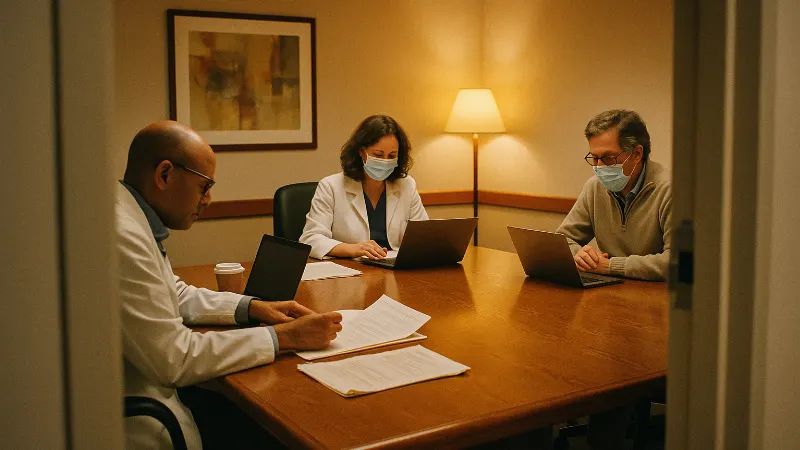
!Oncology team in consultation room reviewing case files around table
What Peritoneal Mesothelioma Patients Should Know About California's HIPEC Programs
The treatment conversation in California isn't only about pleural mesothelioma. Peritoneal mesothelioma, which develops in the lining of the abdomen and accounts for roughly 20 to 30 percent of all mesothelioma cases according to National Institutes of Health data, has seen its own significant treatment evolution, and California is home to some of the most experienced programs in the country.
Hyperthermic intraperitoneal chemotherapy, known as HIPEC, combined with cytoreductive surgery (CRS) has become the standard of care for eligible peritoneal mesothelioma patients at specialized centers. The procedure involves surgical removal of visible tumor followed by heated chemotherapy circulated directly into the abdominal cavity. According to published data cited in NIH resources, selected patients undergoing CRS plus HIPEC have achieved median survival times exceeding five years, a result that would have seemed implausible for a mesothelioma diagnosis a generation ago.
California programs performing HIPEC for peritoneal mesothelioma include teams at UC San Diego, Stanford, and Cedars-Sinai. The surgical complexity and recovery demands of the procedure mean that patient selection is critical. Many patients and families I've worked with have been surprised to learn that peritoneal mesothelioma, often perceived as the more devastating abdominal form of the disease, can actually carry a better prognosis than pleural mesothelioma in surgical candidates.
For veterans, who are disproportionately represented among mesothelioma patients due to shipyard and military facility asbestos exposure, California's VA system has established referral pathways to these specialized programs. The veterans mesothelioma resource page outlines how to navigate VA healthcare for specialized mesothelioma care.
What Should Patients and Families Do Next?
A diagnosis of mesothelioma in California in 2026 carries a weight that no set of statistics can fully capture. But it also comes with more options, more specialized expertise, and more clinical trial access than at any previous point in the disease's history. The most important step you can take right now is to request a referral to one of the state's NCI-designated cancer centers before committing to a treatment plan at a community facility.
Here's what that process should look like in practical terms. First, confirm your diagnosis with a pathology review at a specialized center. Mesothelioma is frequently misdiagnosed, and the distinction between epithelioid, sarcomatoid, and biphasic subtypes has direct implications for which treatments are most likely to help. The National Cancer Institute emphasizes that pathologic confirmation by an experienced pathologist is essential before any treatment begins.
Second, ask specifically about clinical trial eligibility at your first appointment at a specialized center. ClinicalTrials.gov lists dozens of active mesothelioma trials recruiting in California as of 2026, including studies of novel immunotherapy combinations, CAR-T cell therapies, and targeted agents for patients with specific molecular alterations. Your oncologist at a specialized center will have visibility into trials that may not appear in general searches.
Third, connect with a patient advocate or social worker at the center who can help you understand your legal and financial options. Many mesothelioma patients are entitled to compensation through asbestos trust funds established by bankrupt manufacturers, and those funds can help cover treatment costs, travel to specialized centers, and living expenses during treatment. The asbestos trust fund filing guide explains the process in plain language. You can also use the compensation estimator tool to get a preliminary sense of what your case may be worth.
Finally, build your care team before you need it. A thoracic surgeon, a medical oncologist, a pulmonologist, a palliative care specialist, and a patient navigator working together from the beginning produces better outcomes than assembling that team piecemeal after treatment has already started. The mesothelioma doctor directory can help you identify specialists in California who have specific mesothelioma experience.
The Research Pipeline: What's Coming Next for California Patients
Beyond the treatments already available, California's research institutions are running studies that could reshape mesothelioma care within the next two to three years. Programs at UCSF and UC San Diego are investigating mesothelin-targeted therapies, including antibody-drug conjugates that deliver chemotherapy directly to mesothelioma cells expressing the mesothelin protein. Mesothelin is overexpressed in the vast majority of mesothelioma tumors, making it an attractive target that researchers have pursued for years with results that are now beginning to mature in clinical trials.
Adoptive cell therapy, particularly CAR-T cell approaches targeting mesothelin, has shown early promise in small studies and is moving into larger trials at California centers. The complexity and cost of CAR-T manufacturing have historically limited access, but California's academic medical centers have the infrastructure to deliver these therapies in trial settings.
Moffitt Cancer Center, while based in Florida, has published extensively on mesothelioma research that informs protocols used at California centers, and its published treatment frameworks are referenced by oncologists across the country. The interplay between institutions, through shared trial data, published outcomes, and national cooperative group studies, means that advances at any major mesothelioma center ultimately benefit patients everywhere.
For David Reyes, the retired insulation worker from San Jose, that research pipeline isn't abstract. He completed his first treatment cycle in early 2024 and, as of his most recent scan, has shown stable disease. He doesn't know what comes next. But he knows he's being seen by people who do this every day, who are fighting for every month, and who treat him like the outcome matters personally to them. That, he says, is what California's mesothelioma centers have given him that he didn't expect: not just treatment, but belief that treatment is worth fighting for.
Frequently Asked Questions
Which California hospitals specialize in mesothelioma treatment?
California's leading mesothelioma programs are located at UCSF Helen Diller Family Comprehensive Cancer Center, UC San Diego Moores Cancer Center, Stanford Cancer Institute, City of Hope in Duarte, and Cedars-Sinai Medical Center in Los Angeles. Each maintains dedicated thoracic oncology teams and active clinical trial portfolios. The National Cancer Institute recommends that mesothelioma patients seek evaluation at centers with specific experience in the disease before beginning treatment.
Is immunotherapy approved for mesothelioma treatment?
Yes. The FDA approved nivolumab plus ipilimumab for unresectable malignant pleural mesothelioma in October 2020, following results from the CheckMate 743 trial published in The Lancet. That trial showed median overall survival of 18.1 months with the immunotherapy combination versus 14.1 months with chemotherapy. The approval marked the first new first-line treatment approved for mesothelioma in more than fifteen years.
What is HIPEC and is it available in California?
HIPEC, or hyperthermic intraperitoneal chemotherapy, is a surgical procedure that combines cytoreductive surgery with heated chemotherapy delivered directly into the abdominal cavity. It is the standard of care for eligible peritoneal mesothelioma patients at specialized centers. California programs performing HIPEC include teams at UC San Diego, Stanford, and Cedars-Sinai. According to NIH data, selected patients undergoing CRS plus HIPEC have achieved median survival exceeding five years.
What are tumor-treating fields (TTFields) for mesothelioma?
TTFields are low-intensity electric fields delivered through wearable device arrays worn on the chest. They work by disrupting cancer cell division. The STELLAR trial, results of which were published in an NIH-indexed journal, found that adding TTFields to chemotherapy produced a median overall survival of 18.2 months in pleural mesothelioma patients. Select California cancer centers now offer TTFields as part of multimodal treatment plans.
Can California mesothelioma patients access clinical trials?
Yes. California's NCI-designated cancer centers maintain active mesothelioma clinical trial portfolios covering novel immunotherapy combinations, CAR-T cell therapies, antibody-drug conjugates targeting mesothelin, and biomarker-driven targeted agents. The National Cancer Institute's PDQ treatment summary notes that clinical trial participation gives patients access to therapies not yet available in standard practice. Patients should ask specifically about trial eligibility at their first appointment at a specialized center.
How does cell type affect mesothelioma treatment decisions in California?
Histology, meaning the specific cell type identified at biopsy, directly shapes first-line treatment selection. The CheckMate 743 trial data showed that patients with non-epithelioid mesothelioma derived the greatest benefit from nivolumab plus ipilimumab, with a hazard ratio of 0.46 compared to chemotherapy. California oncologists use a histology-first approach, making cell type confirmation by an experienced pathologist the essential first step before any treatment decision.
What financial resources are available for California mesothelioma patients?
Many California mesothelioma patients are entitled to compensation through asbestos bankruptcy trust funds established by manufacturers whose products caused their exposure. These funds can help cover treatment costs, travel to specialized centers, and living expenses. Veterans may also have access to VA benefits and dedicated referral pathways to specialized mesothelioma programs. A patient advocate or legal professional with mesothelioma experience can help identify all applicable sources of compensation.
This article is for informational purposes only and does not constitute medical advice. Consult your healthcare provider for guidance specific to your situation.


Comments (4)
Got diagnosed with mesothelioma back in 2018, spent way too long at a regular oncology clinic before my daughter pushed me to get a second opinion at a specialized center. Wish I'd known about these NCI-designated places earlier. The biomarker testing they did changed everything for my treatment plan. If you're reading this and just got diagnosed, don't wait around like I did. These California centers know what they're doing with the nivolumab and ipilimumab combinations. Makes a real difference when doctors actually specialize in this stuff instead of just treating it like any other cancer.
— Yvette Abrego