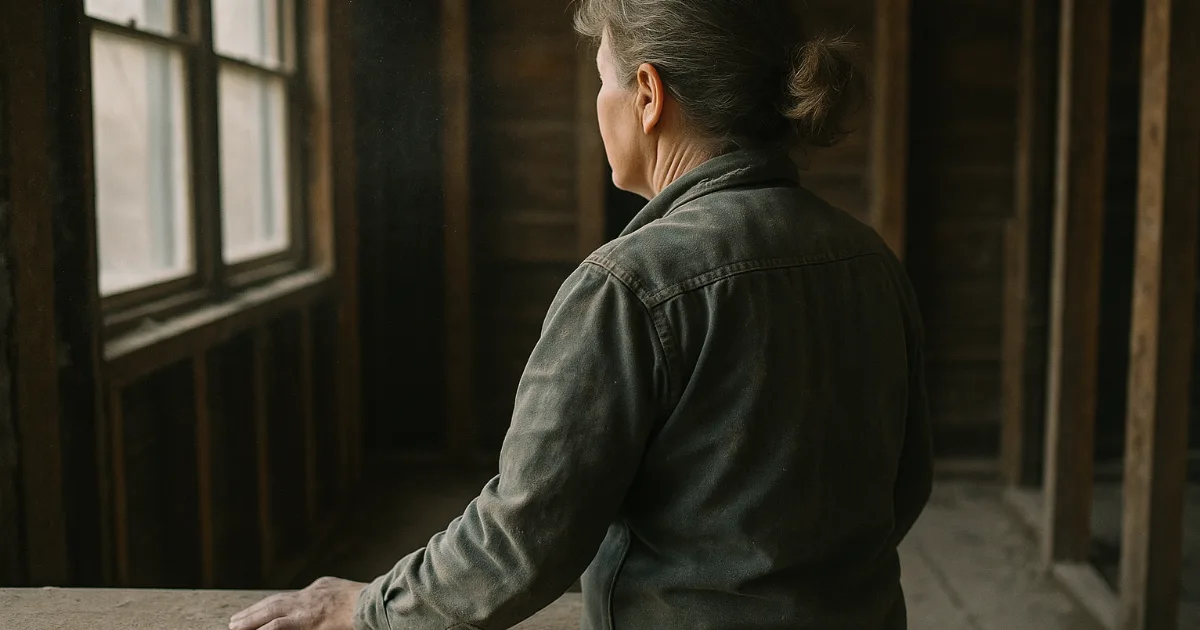


HOUSTON, TX — Sandra Kowalski was 58 when her oncologist at MD Anderson told her there was a surgery that could remove the lining around her lung without taking the lung itself. She'd already been told she wasn't a candidate for the more radical procedure. This one, her surgeon explained, might give her more time — and let her breathe on her own terms while she had it.
That conversation is happening more often now. MD Anderson's mesothelioma program has formalized expanded access to pleurectomy/decortication, a lung-sparing surgical approach, as part of its multimodal treatment pathway for eligible pleural mesothelioma patients. The shift reflects a growing body of evidence suggesting that preserving the lung may offer comparable survival outcomes to the more aggressive extrapleural pneumonectomy, while meaningfully reducing post-operative complications.
A Surgical Debate, Settled by Data
For decades, thoracic surgeons debated which operation gave mesothelioma patients the best chance: remove the entire lung along with the pleura, or strip the pleura and leave the lung intact. The answer, according to research published in peer-reviewed oncology literature, is increasingly favoring the lung-sparing approach.
A study comparing pleurectomy/decortication against extrapleural pneumonectomy found that patients undergoing the lung-sparing procedure experienced fewer major complications and comparable median survival rates, with some analyses suggesting a modest survival advantage for P/D in select patient populations. According to MD Anderson's mesothelioma program, surgical candidacy is evaluated through a multidisciplinary team review that considers tumor stage, histology, and the patient's overall cardiopulmonary reserve.
The National Cancer Institute's treatment guidance for malignant mesothelioma notes that surgery, when used as part of a multimodal approach combining chemotherapy and sometimes radiation, remains one of the primary treatment strategies for patients with resectable disease. The key word is "resectable" — and the definition of who qualifies is shifting as surgical technique improves.
Why This Matters Beyond Houston
MD Anderson's formal expansion of P/D access matters not just for patients in Texas, but as a signal to cancer centers nationwide. When a flagship institution formalizes a protocol, referring oncologists across the country take note. Patients who were previously told their only surgical option was a full pneumonectomy — or no surgery at all — may now have reason to seek a second opinion at a high-volume center.
What I hear from patients going through this is that the idea of losing a lung feels like losing a piece of themselves before the cancer even gets the chance. The lung-sparing option changes that emotional calculus entirely, and that matters for treatment adherence and quality of life.
According to SEER data from the National Cancer Institute, the five-year relative survival rate for mesothelioma remains below 12 percent across all stages, which makes every incremental improvement in surgical technique and patient selection meaningful. For patients with epithelioid histology — the most common and most surgically responsive subtype — the calculus for aggressive surgical intervention looks different than it does for biphasic or sarcomatoid tumors.
"The lung-sparing option changes that emotional calculus entirely, and that matters for treatment adherence and quality of life."
What Patients and Families Should Do Now
If you or someone you love has received a mesothelioma diagnosis and surgery has been discussed, the most important step you can take right now is requesting a formal surgical evaluation at a high-volume mesothelioma center before any treatment decisions are finalized. Not every hospital performs pleurectomy/decortication at the volume required to produce optimal outcomes, and surgical experience matters enormously with a procedure this technically demanding.
Many patients and families I've worked with don't realize that a second surgical opinion is not only acceptable — it's expected at major cancer centers. MD Anderson, Memorial Sloan Kettering, and a handful of other institutions perform enough mesothelioma surgeries each year to have refined their patient selection criteria and operative protocols in ways that community hospitals simply cannot replicate.
Beyond surgery, the broader treatment picture for mesothelioma patients and families now includes immunotherapy combinations, tumor treating fields, and an expanding roster of clinical trials. The goal of any treatment plan should be integrating the best available options across surgery, systemic therapy, and supportive care. For a full overview of current treatment pathways, including what to ask your oncologist before consenting to any procedure, visit our answers section on mesothelioma treatment options.
Sandra Kowalski is now fourteen months post-surgery. She still has both lungs. She still gardens on Saturday mornings. And she's still fighting.
This article is for informational purposes only and does not constitute medical advice. Consult your healthcare provider for guidance specific to your situation.