

Beyond Chemotherapy: How CAR-T Cells, TTFields, and Immunotherapy Are Rewriting Mesothelioma Treatment in 2026
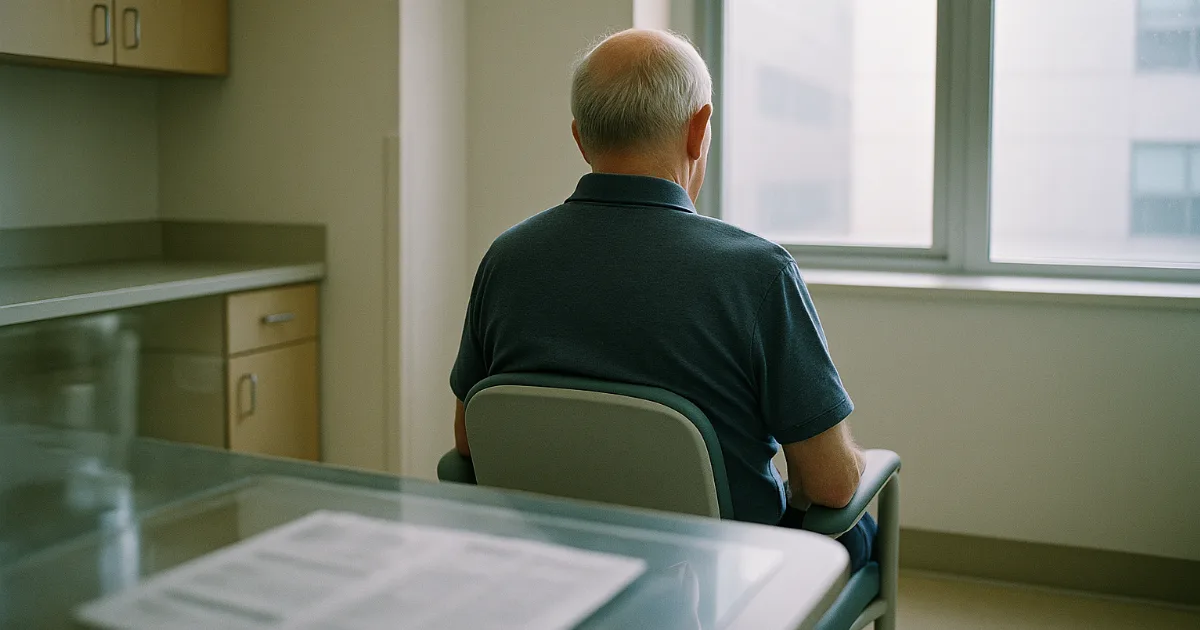
HOUSTON, TX — Margaret Tillman was 58 years old when her oncologist at MD Anderson Cancer Center told her she had pleural mesothelioma. She'd spent two decades working in building renovation, never thinking twice about the chalky dust that coated her clothes at the end of each shift. That was 2023. By early 2025, she had exhausted first-line chemotherapy and was sitting across from a specialist who laid out something unexpected: a clinical trial combining immune checkpoint inhibitors with a device that delivers electrical fields directly to tumor cells. Today, Margaret is still here. Still working. Still surprised.
Her story represents a meaningful shift in what's possible for mesothelioma patients. It's a data point. And there are more of them every year.
For decades, the standard treatment for pleural mesothelioma changed almost imperceptibly. Cisplatin and pemetrexed, approved together in 2004, remained the backbone of first-line care for over fifteen years. Median survival hovered between 12 and 18 months. Patients were given statistics that felt like verdicts. But 2026 looks different. A convergence of immunotherapy approvals, engineered T-cell therapies, and bioelectrical treatment devices is reshaping what's possible, and what patients can reasonably hope for, after a mesothelioma diagnosis.
What Has Actually Changed in Mesothelioma Treatment?
The shift isn't one discovery. It's several, arriving in rapid succession and now overlapping in ways that oncologists are only beginning to understand how to sequence. The most consequential change came in October 2020, when the FDA approved nivolumab plus ipilimumab for unresectable malignant pleural mesothelioma, making it the first new first-line treatment approval for the disease in over 16 years. According to the FDA's approval documentation, the combination demonstrated a median overall survival of 18.1 months compared to 14.1 months for chemotherapy alone in the CheckMate 743 trial, a statistically significant improvement that also held particular promise for patients with non-epithelioid histology, who had historically fared worst under chemotherapy.
That approval cracked open a door. Behind it: three other treatment approaches that have moved from theoretical to clinical in the span of just a few years.
Tumor Treating Fields, or TTFields, deliver low-intensity, alternating electric fields to disrupt the way cancer cells divide. The STELLAR trial, whose results were published in a peer-reviewed analysis now indexed in the National Library of Medicine, evaluated TTFields combined with chemotherapy in 80 patients with unresectable pleural mesothelioma. The median overall survival was 18.2 months, with a one-year survival rate of 57 percent. For a disease where survival statistics had been stubbornly flat, those numbers drew serious attention from the oncology community.
Then there's CAR-T cell therapy. Chimeric antigen receptor T-cell therapy works by extracting a patient's own immune cells, genetically engineering them to recognize and attack a specific protein on tumor cells, and infusing them back into the body. For mesothelioma, the target is mesothelin, a protein expressed at high levels on the surface of mesothelioma cells. A Phase I trial of mesothelin-targeted CAR-T cells, published in the Journal of Clinical Oncology, demonstrated that the approach was feasible and showed early signals of anti-tumor activity, including in patients who had progressed through multiple prior lines of therapy. The trial involved patients receiving intrapleural infusions, delivering the engineered cells directly into the pleural space rather than systemically, which researchers believe enhances local efficacy while limiting systemic toxicity.
And underneath all of this sits a quieter revolution: biomarker research that is making earlier detection possible. A study published in the National Library of Medicine identified fibulin-3, soluble mesothelin-related peptides (SMRP), and high-mobility group box 1 (HMGB1) as promising serum biomarkers for early mesothelioma detection. Earlier detection means more treatment options. It means more patients who qualify for clinical trials. It means more Margarets.
Why This Matters More Than the Headlines Suggest
What I hear from patients going through this is that the hardest part isn't the diagnosis itself. It's the feeling that medicine has nothing left to offer. For years, that feeling was grounded in reality. For many patients today, it isn't.
The FDA approval of nivolumab plus ipilimumab matters not just as a survival statistic but as a signal to the broader oncology community that mesothelioma is a viable target for immunological intervention. When the immune system can be trained to recognize mesothelioma cells as foreign, the same principles that have transformed outcomes in lung cancer and melanoma begin to apply. According to the treatment answers section of this site, patients today have access to a broader menu of options than at any prior point in the disease's history, including combinations that weren't available as recently as three years ago.
For veterans, this matters in a specific and urgent way. Asbestos exposure was pervasive across military branches for decades, and veterans represent a disproportionate share of mesothelioma patients in the United States. The veterans' resource guide on this site outlines how veterans can access specialized care, and the VA's own oncology programs have increasingly incorporated checkpoint inhibitor protocols following the FDA approval. Veterans who served aboard ships, worked in shipyards, or were stationed at facilities where asbestos insulation was standard should know that they are now eligible for treatments that weren't options even five years ago.
The emotional weight of a mesothelioma diagnosis doesn't disappear because new treatments exist. But it does shift. Patients who arrive at a major cancer center in 2026 are entering a different conversation than the one their predecessors had in 2010.
"The most important step you can take right now is getting to a center that's actively running trials, because the difference between a community oncologist and a mesothelioma specialist isn't just expertise. It's access."
— Yvette Abrego, Patient Advocate
How TTFields Work and What Patients Should Know
Imagine sitting in an oncology waiting room and being handed a device that looks like a wearable vest. That's the TTFields experience for many patients. The Optune Lua system, which delivers TTFields for mesothelioma, involves electrodes placed on the chest that generate alternating electric fields tuned to disrupt mitosis in cancer cells while leaving normal cells largely unaffected. Patients wear the device for the majority of each day, typically 18 hours or more, while continuing other therapies.
The STELLAR trial results, published and indexed through the National Library of Medicine, showed that combining TTFields with pemetrexed-based chemotherapy produced a median overall survival of 18.2 months in patients with unresectable pleural mesothelioma. Among patients who wore the device for more than 18 hours per day, the median survival extended to 21.2 months. The Journal of Thoracic Oncology has published further analysis of TTFields mechanisms, and the approach has since received FDA approval for use in mesothelioma.
For patients, the practical questions are real. The device requires daily management. Skin irritation at electrode sites is common. The commitment to wearing it for most of the day demands lifestyle adjustment. But many patients who have used the system describe adapting more quickly than they expected, and for those who respond, the extension in survival is meaningful in human terms, not just statistical ones.
What I hear from patients going through this is that the learning curve is steep in week one and manageable by week three. The oncology teams at centers like MD Anderson and Moffitt Cancer Center, both of which run active mesothelioma programs, provide dedicated support for patients navigating the device alongside systemic therapy. According to the Moffitt mesothelioma program, their multidisciplinary team approach integrates TTFields into treatment planning alongside surgery, chemotherapy, and immunotherapy depending on patient-specific factors.
!How TTFields Work and What Patients Should Know for mesothelioma treatment cases
The CAR-T Frontier: Engineered Immunity for a Disease That Evades It
There's a reason mesothelioma has been so resistant to treatment for so long. The tumor microenvironment in mesothelioma is immunosuppressive. The cancer actively creates conditions that prevent the immune system from mounting an effective attack. Checkpoint inhibitors like nivolumab and ipilimumab partially address this by releasing the brakes on existing immune responses. CAR-T therapy takes a different approach: it creates immune cells specifically programmed to seek and destroy mesothelioma cells, regardless of the tumor's defensive maneuvers.
Mesothelin is an ideal target for this approach because it's expressed at high levels on the surface of mesothelioma cells but at low levels in most normal tissues. The Phase I trial published in the Journal of Clinical Oncology enrolled patients who had received at least one prior line of therapy and who had confirmed mesothelin expression on their tumors. Patients received intrapleural infusions of the engineered T-cells, an approach that concentrates the cells directly at the site of disease and may reduce the cytokine release syndrome that has complicated systemic CAR-T delivery in other cancers.
Early results showed the therapy was tolerable and produced measurable anti-tumor responses in a subset of patients. One patient in the trial experienced a complete response, an outcome that would have been considered nearly impossible under prior treatment paradigms. The trial has since informed the design of Phase II studies that are now enrolling at several major cancer centers.
For patients exploring this option, the doctor directory on this site can help identify mesothelioma specialists at institutions actively running CAR-T trials. Not every center has this capability, and the geographic reality is that these trials are concentrated at major academic medical centers in cities like Houston, New York, and Philadelphia. Knowing where to look is half the battle.
Gene therapy approaches are also advancing in parallel. Research published in the National Library of Medicine has examined how modifying the genetic machinery of mesothelioma cells, or delivering therapeutic genes directly to tumor sites, could sensitize tumors to existing treatments or trigger cell death directly. These approaches remain largely in preclinical and early clinical phases, but the scientific rationale is solid, and the mesothelioma research community is watching closely.

What Does This Mean for Peritoneal Mesothelioma Patients?
Most of the headline-generating research focuses on pleural mesothelioma, which accounts for roughly 80 percent of cases. But patients with peritoneal mesothelioma are also seeing meaningful progress, through a different pathway.
Heated intraperitoneal chemotherapy, known as HIPEC, combined with cytoreductive surgery has become the standard of care at specialized centers for eligible peritoneal mesothelioma patients, and survival outcomes for this approach are significantly better than historical benchmarks. According to MD Anderson's mesothelioma program, median survival for peritoneal mesothelioma patients treated with cytoreductive surgery plus HIPEC at high-volume centers can exceed 50 months for epithelioid histology, a figure that would have seemed implausible two decades ago.
The emerging question for peritoneal patients is whether immunotherapy can be added to this framework to further extend benefit. Early data from institutional series and small trials suggest that checkpoint inhibitors may have a role in the maintenance setting following surgery and HIPEC, though larger trials are needed to establish this definitively. The Journal of Thoracic Oncology and the interdisciplinary journal Cancer have both published analyses of immune profiling in peritoneal mesothelioma that are informing the design of those trials.
Patients with peritoneal disease should be evaluated at centers with specific experience in cytoreductive surgery and HIPEC. Not every oncology program has the surgical volume or infrastructure to offer this safely, and outcomes are demonstrably better at high-volume institutions. The locations directory on this site lists treatment centers with active mesothelioma programs by state.
What Should Patients and Families Do Next?
Many patients and families I've worked with arrive at a specialist's office weeks or months after their diagnosis, after spending time at a community hospital where the oncologist may see one or two mesothelioma cases per year. That delay costs options. Not because the community oncologist is negligent, but because mesothelioma is rare enough that the full landscape of available treatments, including clinical trials, isn't visible from outside a specialized center.
The most important step you can take right now is to request a referral to an NCI-designated cancer center with a dedicated mesothelioma program. According to the National Cancer Institute, there are currently 72 NCI-designated cancer centers across the United States, and many of them have mesothelioma specialists who see patients regularly and maintain active trial portfolios. MD Anderson, Moffitt, and Brigham and Women's Hospital are among the most frequently cited for mesothelioma specifically, but geographic proximity matters too, and a specialist at a regional NCI center may be able to manage care in coordination with a local oncologist.
Beyond treatment, the financial dimension of a mesothelioma diagnosis is real and shouldn't be navigated alone. Most mesothelioma patients were exposed to asbestos through occupational settings, and many of the companies responsible have established asbestos bankruptcy trust funds that provide compensation to diagnosed individuals. The trust fund checker tool on this site can help patients and families identify which funds they may be eligible to access, and the compensation estimator provides a starting point for understanding potential claim values.
For veterans specifically, the VA offers additional pathways to both treatment and financial support. Veterans diagnosed with mesothelioma may be eligible for VA disability compensation, and the VA disability application guide on this site walks through the process step by step. Service-connected mesothelioma typically qualifies for a 100 percent disability rating, which carries significant monthly compensation in addition to healthcare benefits.
Finally, patients facing questions about how mesothelioma compares to other asbestos-related lung diseases, including lung cancer caused by asbestos exposure, can find detailed information in the lung cancer section of this site. The distinction matters clinically and legally, and understanding it can affect both treatment decisions and legal eligibility.
The Research Pipeline: What's Coming in the Next Two Years
The pace of mesothelioma research in 2026 is faster than at any prior point in the disease's history. Several developments deserve attention from patients and families who are making treatment decisions now.
Bispecific antibodies, which can simultaneously engage tumor cells and immune effector cells, are entering early-phase trials for mesothelioma. Unlike CAR-T therapy, bispecifics don't require genetic modification of a patient's cells and can be manufactured as off-the-shelf drugs, making them potentially more accessible at a wider range of institutions. Early data from related tumor types suggest they may have particular activity against mesothelin-expressing cancers.
Combination strategies pairing TTFields with checkpoint inhibitors are also under active investigation. The STELLAR trial established TTFields plus chemotherapy as a viable approach; the next logical step is determining whether adding immunotherapy to that combination produces additive or synergistic benefit. Preliminary institutional data presented at oncology conferences suggest this is biologically plausible, and formal trials are expected to report interim results within the next 18 months.
Biomarker-driven patient selection is becoming more sophisticated. The research on fibulin-3, SMRP, and HMGB1 as early detection biomarkers, published in the National Library of Medicine, is informing the development of liquid biopsy panels that could eventually allow earlier diagnosis in high-risk populations, including workers with documented asbestos exposure histories. Earlier diagnosis remains the single most powerful lever for improving outcomes, because patients diagnosed at earlier stages have significantly more treatment options and better baseline performance status.
For patients currently in treatment, the most actionable piece of information is this: clinical trials are not last resorts. They are often the fastest route to the most advanced care available. Patients who enroll in trials at major cancer centers frequently receive more intensive monitoring, more frequent imaging, and more specialist attention than patients receiving standard-of-care treatment outside a trial context. The barriers to trial participation, including travel, eligibility criteria, and logistics, are real, but they are often surmountable with the right support.
Margaret Tillman is still enrolled in her trial. She doesn't know what her next scan will show. Neither does her oncologist. But she knows she has options. In mesothelioma, in 2026, that's not nothing. That's everything.

Frequently Asked Questions
What is the current first-line treatment for pleural mesothelioma in 2026?
The FDA-approved first-line treatment for unresectable malignant pleural mesothelioma is nivolumab plus ipilimumab, approved in October 2020. This combination demonstrated a median overall survival of 18.1 months in the CheckMate 743 trial, compared to 14.1 months for chemotherapy alone, according to FDA approval documentation. Chemotherapy with cisplatin and pemetrexed remains an option for patients who are not candidates for immunotherapy.
How do Tumor Treating Fields work for mesothelioma?
Tumor Treating Fields deliver low-intensity alternating electric fields to tumor tissue via electrode arrays worn on the chest. These fields disrupt cancer cell division without significantly affecting normal cells. The STELLAR trial, published in the National Library of Medicine, showed a median overall survival of 18.2 months when TTFields were combined with pemetrexed-based chemotherapy, with patients using the device more than 18 hours per day achieving 21.2 months median survival.
What is CAR-T cell therapy and is it available for mesothelioma?
CAR-T therapy involves genetically engineering a patient's own T-cells to recognize and attack cancer cells expressing a specific protein. For mesothelioma, the target is mesothelin. A Phase I trial published in the Journal of Clinical Oncology showed the approach was feasible and produced early anti-tumor responses, including one complete response. Phase II trials are now enrolling at select major cancer centers. It is not yet widely available outside of clinical trial settings.
Are there specialized treatment centers for mesothelioma patients?
Yes. NCI-designated cancer centers with dedicated mesothelioma programs, including MD Anderson Cancer Center and Moffitt Cancer Center, offer access to multidisciplinary specialist teams and active clinical trials not available at community hospitals. According to the National Cancer Institute, there are 72 NCI-designated cancer centers across the United States. Patients are strongly encouraged to seek evaluation at one of these centers, ideally early after diagnosis.
What treatment options exist for peritoneal mesothelioma specifically?
For eligible patients, cytoreductive surgery combined with heated intraperitoneal chemotherapy (HIPEC) is the standard of care at specialized centers. According to MD Anderson's mesothelioma program, median survival for epithelioid peritoneal mesothelioma treated with surgery plus HIPEC can exceed 50 months at high-volume institutions. Research into adding immunotherapy in the maintenance setting after surgery is ongoing, with early results expected from several trials in the next 12 to 24 months.
Can veterans access these newer mesothelioma treatments through the VA?
Veterans with mesothelioma can access treatment through VA oncology programs, which have incorporated checkpoint inhibitor protocols following the FDA approval of nivolumab plus ipilimumab. Veterans may also be eligible for VA disability compensation at a 100 percent rating for service-connected mesothelioma. The VA disability application guide on this site provides step-by-step instructions for applying, and veterans can also access the trust fund checker to identify additional compensation sources.
What biomarkers are being studied for earlier mesothelioma detection?
Researchers have identified several promising serum biomarkers for earlier mesothelioma detection. A study published in the National Library of Medicine highlighted fibulin-3, soluble mesothelin-related peptides (SMRP), and high-mobility group box 1 (HMGB1) as candidates with diagnostic potential. These biomarkers are being incorporated into liquid biopsy panel development aimed at earlier diagnosis in high-risk populations, including workers with documented occupational asbestos exposure histories.
This article is for informational purposes only and does not constitute medical advice. Consult your healthcare provider for guidance specific to your situation.