



CHICAGO, IL — The retired ironworker from Rockford had spent 34 years bending steel at job sites across northern Illinois. He knew the names of every foreman he'd ever worked under, could recite the addresses of half a dozen plants where he'd sweated through summers and frozen through winters. What he didn't know, until a pulmonologist called him in February 2024, was that the asbestos dust he'd breathed at those sites had been quietly building toward a diagnosis of pleural mesothelioma.
By the time his family began looking for help, something had changed in the world of mesothelioma care. The treatment options available to him in 2026 look almost nothing like what was available to patients a decade ago. And for Illinois families navigating this diagnosis, understanding the connection between cutting-edge treatment and experienced legal advocacy has become more important than ever.
What Has Changed in Mesothelioma Treatment Since 2020?
Mesothelioma treatment has shifted fundamentally over the past six years, driven by FDA approvals, expanding clinical trial access, and a new generation of therapies that target cancer at the cellular level rather than simply trying to poison it into submission. Patients who might once have faced a single chemotherapy regimen now have access to combination immunotherapy, tumor-treating fields, and, in select cases, experimental CAR-T cell therapies.
The most significant regulatory milestone came in October 2020, when the FDA approved nivolumab plus ipilimumab — a dual immunotherapy combination — for adults with unresectable malignant pleural mesothelioma. According to the FDA's approval announcement, the CheckMate 743 trial showed that patients receiving the combination survived a median of 18.1 months, compared to 14.1 months for those receiving standard chemotherapy. For a cancer where median survival had long been measured in less than a year from diagnosis, that difference is not a footnote. It's a lifeline.
Before that approval, the standard of care for most mesothelioma patients had been pemetrexed plus cisplatin, a chemotherapy combination that received FDA approval in 2004. According to the FDA's drug approval records for Alimta (pemetrexed disodium), this regimen represented the first systemic treatment specifically approved for mesothelioma. For nearly 16 years, it was essentially the ceiling. The nivolumab-ipilimumab approval broke through that ceiling in a meaningful way.
And the progress hasn't stopped there. Research published through the National Institutes of Health documented results from the STELLAR trial, which examined tumor treating fields (TTFields) — a technology that uses alternating electric fields to disrupt cancer cell division — in combination with chemotherapy for pleural mesothelioma. Results from that study, published in 2021, showed a median overall survival of 18.2 months among patients who received TTFields alongside chemotherapy, a meaningful improvement over historical benchmarks. The Novocure device used in that trial has been generating serious attention from oncologists at major cancer centers, including several in Illinois.
Why Does This Matter for Mesothelioma Patients in Illinois?
Illinois has one of the highest concentrations of industrial asbestos exposure sites in the country. For decades, the steel mills, power plants, railyards, and shipbuilding operations along Lake Michigan and the Illinois River put workers in daily contact with asbestos-containing materials. That history translates directly into patient volume today. Illinois consistently ranks among the top states for mesothelioma diagnoses, and Chicago-area hospitals have responded by building some of the most sophisticated oncology programs in the Midwest.
What I hear from patients going through this in Illinois is a version of the same disorientation: the diagnosis arrives, the fear sets in, and then comes the overwhelming question of what to do next. Treatment decisions and legal decisions are both urgent, and most families have no roadmap for either. The good news is that these two tracks, clinical and legal, don't have to compete for your attention. They can and should move forward simultaneously.
For patients who are candidates for surgery, centers like the University of Chicago Medicine and Northwestern Medicine's Lurie Cancer Center offer extrapleural pneumonectomy (EPP) and pleurectomy/decortication (P/D) procedures performed by thoracic surgeons with mesothelioma-specific experience. For those whose disease is unresectable, the nivolumab-ipilimumab combination or clinical trial enrollment may represent the most promising path. Understanding your options requires a consultation with a mesothelioma specialist, not a general oncologist. According to researchers at Moffitt Cancer Center, mesothelioma histology — whether a tumor is epithelioid, sarcomatoid, or biphasic — plays a critical role in determining which treatments are most likely to be effective.
The importance of cell type cannot be overstated. Research published in a pathological diagnosis study through the National Institutes of Health confirmed that epithelioid mesothelioma carries a significantly better prognosis than sarcomatoid or biphasic subtypes, and that treatment response varies substantially by histology. Patients with epithelioid tumors, for instance, showed stronger responses to the nivolumab-ipilimumab regimen in the CheckMate 743 data. Knowing your cell type isn't just a technical detail. It shapes every treatment decision that follows. You can learn more about these distinctions in our encyclopedia entry on pleural mesothelioma.
How Are CAR-T Cells and Emerging Therapies Changing the Equation?
For a subset of Illinois patients who have exhausted standard options or who qualify for early-phase trials, the emergence of CAR-T cell therapy represents one of the most compelling frontiers in mesothelioma research. A Phase I trial of mesothelin-targeted CAR-T cells, published in the Journal of Clinical Oncology, found that the therapy was feasible and demonstrated early signs of clinical activity in patients with advanced mesothelioma. Mesothelin, a protein overexpressed on the surface of most mesothelioma cells, makes an attractive target precisely because it's relatively specific to the tumor.
The trial, led by researchers at Memorial Sloan Kettering Cancer Center, enrolled patients who had received prior chemotherapy and found that several participants experienced disease stabilization. While the numbers are small — this was a Phase I safety and feasibility study, not a definitive efficacy trial — the scientific rationale behind CAR-T for mesothelioma is strong, and follow-on trials are actively recruiting. For Illinois patients interested in cutting-edge options, our guide to choosing a mesothelioma treatment center can help identify programs with active trial portfolios.
Blood-based biomarkers are also reshaping how early some patients are diagnosed. Research published through the NIH on fibulin-3 and soluble mesothelin-related peptides (SMRPs) has shown that these biomarkers can help distinguish mesothelioma from other pleural conditions and may eventually support earlier detection in high-risk populations, including former industrial workers. Earlier detection means earlier treatment, and earlier treatment is consistently associated with better outcomes. A patient caught at Stage I or II has meaningfully more surgical and systemic options than one diagnosed at Stage IV.
Research published in Clinical Cancer Research continues to advance the understanding of molecular targets in mesothelioma, including BAP1 mutations and other genomic alterations that may guide next-generation targeted therapies. Illinois patients treated at academic medical centers are increasingly having their tumors profiled for these markers as part of standard workup, opening doors to trials that might not otherwise be visible to a community oncologist.
What Role Does a Mesothelioma Lawyer Play in Treatment Access?
Here is where the clinical and legal worlds intersect in ways that most families don't anticipate. Many of the patients I've worked with over the years were initially surprised to learn that pursuing legal compensation and pursuing aggressive treatment are not separate endeavors. They are, in fact, deeply connected.
For patients in Illinois, asbestos exposure often occurred at job sites where specific manufacturers supplied the asbestos-containing products. Those manufacturers, many of which declared bankruptcy decades ago, established asbestos trust funds that now hold more than $30 billion in combined assets for claimants. According to our trust fund directory, there are currently more than 60 active asbestos trust funds, and a mesothelioma attorney can help identify which trusts apply to your specific work history.
That compensation matters for treatment access in practical, direct ways. Mesothelioma treatment at a major cancer center, particularly when it involves immunotherapy combinations or clinical trial participation, generates out-of-pocket costs that can be staggering even with good insurance. Legal settlements and trust fund awards can help cover travel to specialized centers, experimental treatment costs not covered by insurance, home care, and lost income. Many families only discover these financial options after connecting with a mesothelioma-specific attorney.
Illinois has a two-year statute of limitations for mesothelioma personal injury claims, running from the date of diagnosis or discovery of the illness. That window sounds generous, but treatment decisions, specialist consultations, and the emotional weight of a new diagnosis can consume months before a family thinks to call a lawyer. The most important step you can take right now, if you or someone you love has just received a mesothelioma diagnosis in Illinois, is to have a conversation with a mesothelioma attorney before that clock runs out. You can use our compensation estimator tool to get a preliminary sense of what your case might be worth.
For veterans, the calculus is even more layered. Illinois is home to a substantial veteran population, and military service — particularly in the Navy, which used asbestos extensively in shipbuilding and engine rooms — represents one of the most common exposure pathways. Veterans may be eligible for both VA disability benefits and separate legal compensation. These are not mutually exclusive. Our VA benefits eligibility tool walks through the specific criteria, and our veterans resource hub provides a broader overview of available support.

What Are Brigham and Women's and Other Major Centers Doing That Illinois Patients Should Know?
Not all mesothelioma treatment programs are equal, and for Illinois patients willing to travel, some of the most specialized programs in the country are within reach. Brigham and Women's Hospital in Boston operates one of the nation's most recognized mesothelioma and pleural disease programs, with a multidisciplinary team that includes thoracic surgeons, oncologists, pulmonologists, and pathologists who focus specifically on this disease. According to Brigham and Women's program overview, the center offers comprehensive evaluation, surgical expertise, and access to clinical trials that may not be available at regional hospitals.
Moffitt Cancer Center in Tampa similarly provides specialized mesothelioma care, with a research program that has contributed to the understanding of treatment response by histologic subtype. For Illinois patients who cannot travel, the University of Chicago's Section of Hematology/Oncology and Northwestern's Lurie Cancer Center offer mesothelioma multidisciplinary programs that are among the strongest in the Midwest.
Many patients and families I've worked with have found that a single consultation at a specialized center, even if ongoing treatment happens closer to home, changes the entire trajectory of their care. A mesothelioma specialist may identify a clinical trial, recommend a different surgical approach, or catch a histologic nuance that a general oncologist missed. That consultation doesn't have to replace your local team. It informs them.
If you're uncertain where to start, our diagnosis and treatment hub provides a structured overview of treatment pathways organized by stage and cell type, with guidance on what questions to ask at your first specialist appointment.
What Should Illinois Patients and Families Do Next?
The retired ironworker from Rockford we mentioned at the start of this article eventually connected with both a mesothelioma specialist at a Chicago academic center and an attorney who had spent years tracing asbestos product chains at Illinois industrial sites. His care team identified him as a candidate for the nivolumab-ipilimumab combination. His legal team identified three trust funds associated with manufacturers whose products were used at his job sites. Neither of those outcomes would have happened if his family had waited.
The landscape for mesothelioma patients in Illinois in 2026 is genuinely different from what it was even five years ago. The treatments are better. The clinical trial options are broader. The legal tools for accessing compensation are more refined. But none of it happens automatically. It requires families to move quickly, ask hard questions, and find specialists, both medical and legal, who know this disease specifically.
Here is what I tell every family who reaches out to me: start both tracks on the same week. Call a mesothelioma specialist to request a second opinion or a specialized consultation. And call a mesothelioma attorney to understand your legal options before the statute of limitations clock becomes a problem. These conversations don't commit you to anything. They give you information. And in a disease where time is a genuine factor, information gathered early is almost always more valuable than information gathered late.
You can explore the full range of mesothelioma types, staging systems, and treatment protocols in our mesothelioma encyclopedia. If you're a veteran or the family member of one, our veterans answers hub addresses the specific intersection of military service, VA benefits, and mesothelioma legal claims.
The disease is serious. The timeline is real. But the options available to Illinois patients in 2026 are more substantial than they have ever been, and connecting with the right people quickly is the difference between navigating this alone and navigating it with a full team behind you.
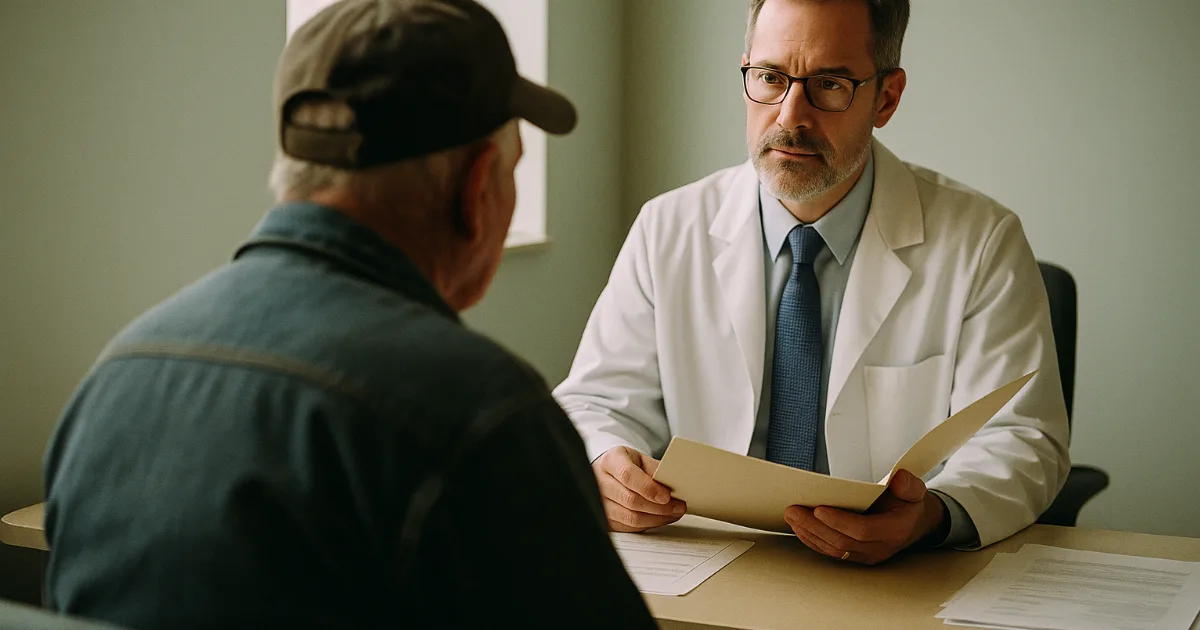
!Illinois Mesothelioma Patients Are Getting Access to Treatments That Didn't Exist Five Years Ago

FAQ
What treatment options are available for mesothelioma patients in Illinois in 2026?
Illinois mesothelioma patients in 2026 have access to several treatment pathways depending on stage and cell type, including the FDA-approved nivolumab plus ipilimumab immunotherapy combination, standard pemetrexed-based chemotherapy, surgery at specialized thoracic programs, tumor treating fields (TTFields), and enrollment in clinical trials including CAR-T cell therapy studies. Academic medical centers in Chicago offer multidisciplinary mesothelioma programs with access to emerging therapies not available at community hospitals.
How does an Illinois mesothelioma lawyer help with treatment costs?
An experienced Illinois mesothelioma attorney can identify asbestos trust fund claims, file personal injury lawsuits against product manufacturers, and pursue wrongful death claims on behalf of families. Compensation recovered through these legal channels can offset treatment costs, travel to specialized centers, home care expenses, and lost income. Illinois has more than 60 active asbestos trust funds that may apply depending on where and how exposure occurred.
What is the statute of limitations for mesothelioma claims in Illinois?
Illinois imposes a two-year statute of limitations for mesothelioma personal injury claims, beginning from the date of diagnosis or from the date the patient reasonably discovered the connection between their illness and asbestos exposure. For wrongful death claims, the two-year clock typically begins from the date of death. Missing this deadline generally bars recovery, which is why early consultation with a mesothelioma attorney is critical.
Why does mesothelioma cell type matter for treatment decisions?
Mesothelioma cell type, whether epithelioid, sarcomatoid, or biphasic, significantly affects treatment response and prognosis. Research published through the NIH confirms that epithelioid tumors have better prognoses and typically respond more favorably to immunotherapy combinations like nivolumab plus ipilimumab. Sarcomatoid tumors are more aggressive and less responsive to most therapies. Accurate pathological diagnosis is essential before any treatment plan is finalized, according to published mesothelioma pathology research.
Can Illinois veterans file both VA benefits claims and mesothelioma lawsuits?
Yes. Illinois veterans diagnosed with mesothelioma can pursue VA disability compensation and separate legal claims simultaneously. VA benefits and legal settlements or trust fund awards are not mutually exclusive. Veterans may qualify for VA healthcare, monthly disability payments, and dependency and indemnity compensation for survivors, while also recovering compensation through asbestos trust funds or civil litigation against the manufacturers whose products caused their exposure.
What is the nivolumab plus ipilimumab approval and who qualifies?
The FDA approved nivolumab plus ipilimumab in October 2020 for adults with unresectable malignant pleural mesothelioma as a first-line treatment. According to the FDA's approval documentation, the CheckMate 743 trial showed a median overall survival of 18.1 months for the combination versus 14.1 months for chemotherapy. Patients whose tumors are unresectable and who have not received prior systemic therapy are the primary candidates, though eligibility depends on performance status and other clinical factors.
How do I find a mesothelioma specialist in Illinois?
Illinois patients seeking mesothelioma-specialized care should look for academic medical centers with dedicated thoracic oncology or pleural disease programs, including the University of Chicago Medicine and Northwestern Medicine's Lurie Cancer Center in Chicago. For patients willing to travel, Brigham and Women's Hospital and Moffitt Cancer Center offer nationally recognized mesothelioma programs. Our guide to choosing a mesothelioma treatment center can help evaluate programs based on surgical volume, trial access, and multidisciplinary team composition.
This article is for informational purposes only and does not constitute medical advice. Consult your healthcare provider for guidance specific to your situation.


Comments (5)
— Yvette Abrego
My father was diagnosed with pleural mesothelioma in 2023 and we're in Illinois. The nivolumab plus ipilimumab combo you mention here is exactly what his oncologist at Northwestern recommended last year, though it took us months to understand the options. One thing I'd add that helped us navigate this - the American Lung Association actually has a specific Illinois resource navigator program that helped connect us with both a specialist AND a mesothelioma attorney within the same month, which aligns with what you're saying about timing. We wish we'd known about that earlier. The two-year statute is real and people shouldn't sleep on it. Dad's in month 8 of treatment now and responding better than we expected. These newer protocols are genuinely game-changers compared to what was available even three years ago.