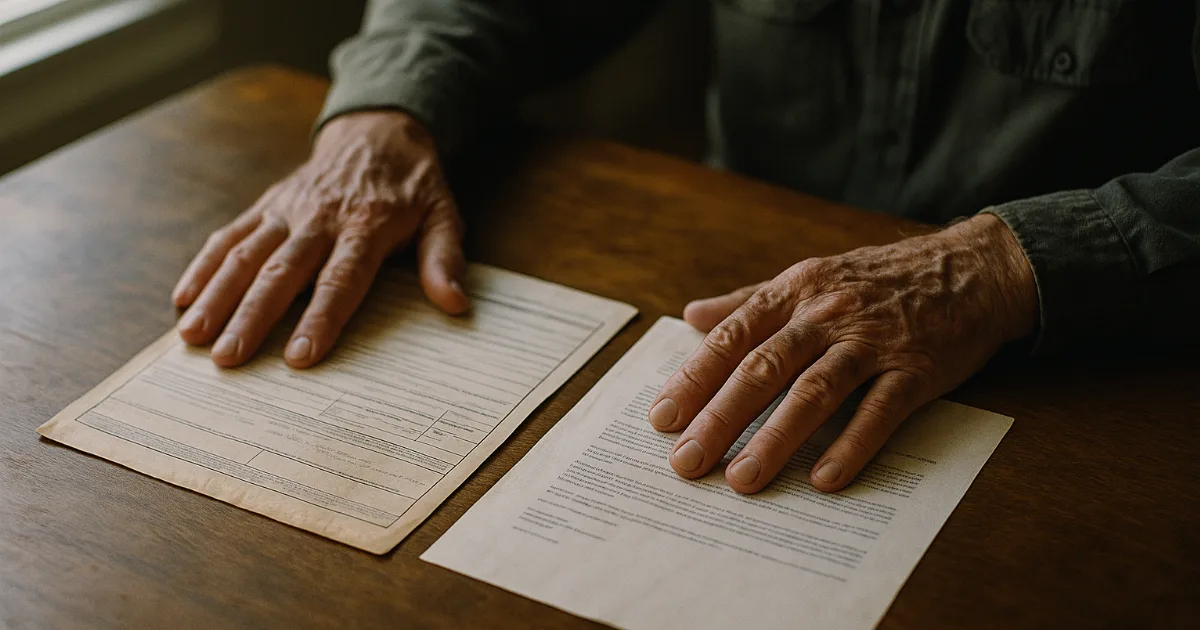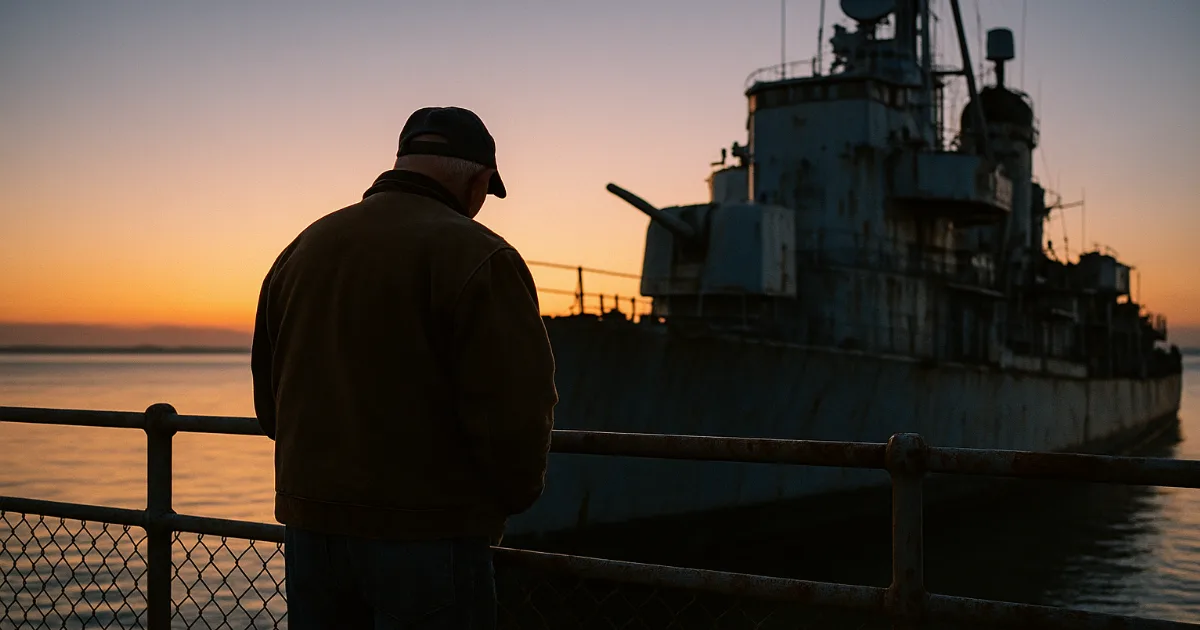

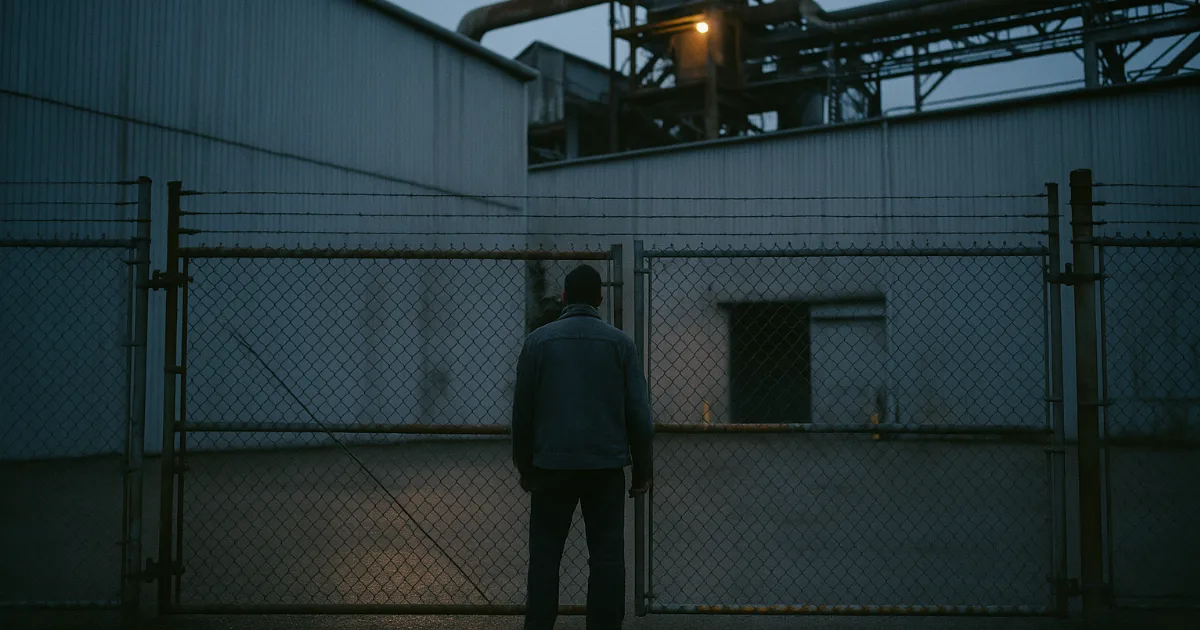
SPRINGFIELD, IL — Frank Deluca spent 22 years in the Navy before retiring to Rockford, where he worked another decade at a manufacturing plant insulated with the same asbestos he'd been breathing since his first deployment. When a pulmonologist handed him a pleural mesothelioma diagnosis in early 2025, his first call was to his daughter. His second was to the VA. His third call, the one that ended up mattering most financially, came eight months too late.
Deluca's story is not unusual. Veterans advocates across Illinois say it is, in fact, the norm.
Why Illinois Veterans Keep Waiting Too Long to Call a Lawyer
Illinois has long been one of the most active states for asbestos litigation, with courts in Madison County and Cook County handling a disproportionate share of the nation's mesothelioma docket. But the veterans who file claims there, and who often have the strongest cases given the documented asbestos exposure aboard Navy ships and in military installations, consistently delay retaining legal counsel by months, sometimes more than a year after diagnosis.
The VA recognizes that military asbestos exposure is among the most well-documented occupational hazards in American history. According to the VA's own guidance on disability benefits for asbestos exposure, veterans who served in shipyards, aboard vessels, or in buildings constructed before 1980 are considered to have had significant asbestos contact. That documentation is the foundation of a legal claim, but it doesn't automatically translate into a lawsuit. A lawyer has to file one, and the Illinois statute of limitations for mesothelioma cases is two years from the date of diagnosis.
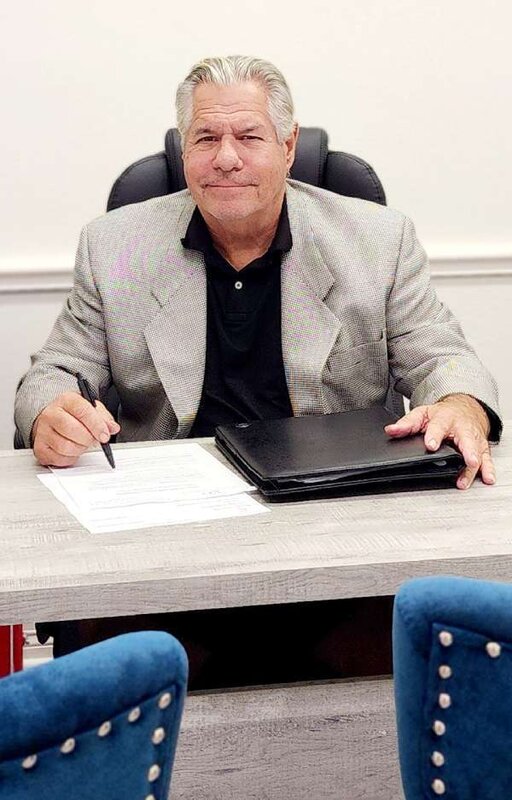
Two years sounds like plenty of time. It isn't. What I tell every veteran I work with is that the legal clock and the medical clock are running simultaneously, and they don't always align in your favor. Gathering military service records, identifying exposure sites, and locating solvent defendants takes months. Waiting until you're symptomatic and declining to start that process is a mistake that can't always be corrected.
The financial stakes are significant. Mesothelioma settlements in Illinois have ranged from the mid-six figures into the millions depending on the strength of the exposure evidence and the number of liable defendants. Veterans who delay often find that some of those defendants, particularly smaller manufacturers, have already filed for bankruptcy protection and shifted their liability to asbestos trust funds, which pay out at reduced percentages.
What Makes Illinois Courts Particularly Relevant for Veterans
Not all mesothelioma jurisdictions are created equal. Illinois, specifically Madison County, has consistently ranked among the top venues in the country for asbestos verdicts, in part because its courts have extensive experience with complex exposure histories involving multiple job sites and military service.
Veterans who served during the mid-20th century, particularly those aboard Navy ships or stationed at bases where asbestos insulation was standard, often have layered exposure histories that include both military and civilian worksites. Illinois lawyers who specialize in mesothelioma understand how to sequence those claims, filing VA disability claims in parallel with civil litigation rather than treating them as alternatives. You can pursue both. Most veterans don't realize that.
According to the VFW's advocacy division, veterans with service-connected asbestos conditions are entitled to disability compensation, health care through the VA system, and, separately, civil legal remedies against the manufacturers who supplied the asbestos. These are independent tracks. Accepting VA benefits does not waive your right to sue.
For veterans trying to understand what their diagnosis means medically and legally, the diagnosis and treatment resources at mesothelioma-lung-cancer.org offer a practical starting point, and the site's compensation answers section breaks down how civil claims and VA benefits interact.
What Illinois Veterans Should Do Differently in 2026
The pattern advocates see repeatedly is this: a veteran gets diagnosed, spends the first several months focused entirely on treatment decisions, and only turns to legal options when a family member pushes the issue. By then, key witnesses may be unavailable, company records harder to subpoena, and trust fund claim windows narrower.
Veterans who served during the peak asbestos era, roughly 1940 through 1980, should treat legal consultation as a medical appointment. It belongs on the same calendar. An Illinois mesothelioma lawyer can conduct an initial case evaluation without disrupting treatment, and most work on contingency, meaning there's no upfront cost to the veteran or family.
The exposure sites directory at mesothelioma-lung-cancer.org can help veterans and families identify specific locations where asbestos contact occurred, which is often the first piece of information a lawyer needs. For those who aren't sure whether their service history qualifies, the VA's disability eligibility page for asbestos exposure outlines the criteria in plain language.
Families navigating this process alongside a veteran can also find support through the patients and families resource hub, which covers everything from treatment coordination to legal timelines.
Frank Deluca eventually connected with a mesothelioma attorney in Chicago through a veterans service organization referral. His case is pending. His daughter told advocates she wishes they'd made that call the same week as the diagnosis. That's the advice every family in Illinois needs to hear before the clock runs out.
This article provides general information about VA benefits. Eligibility depends on individual service history and medical diagnosis.