
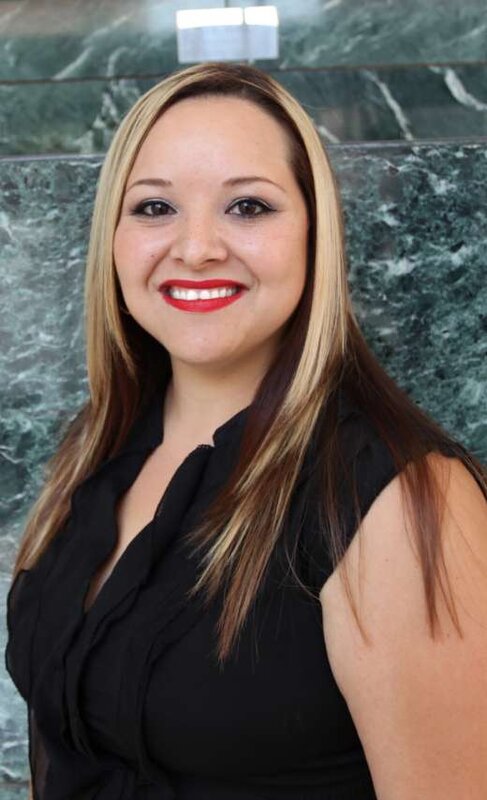
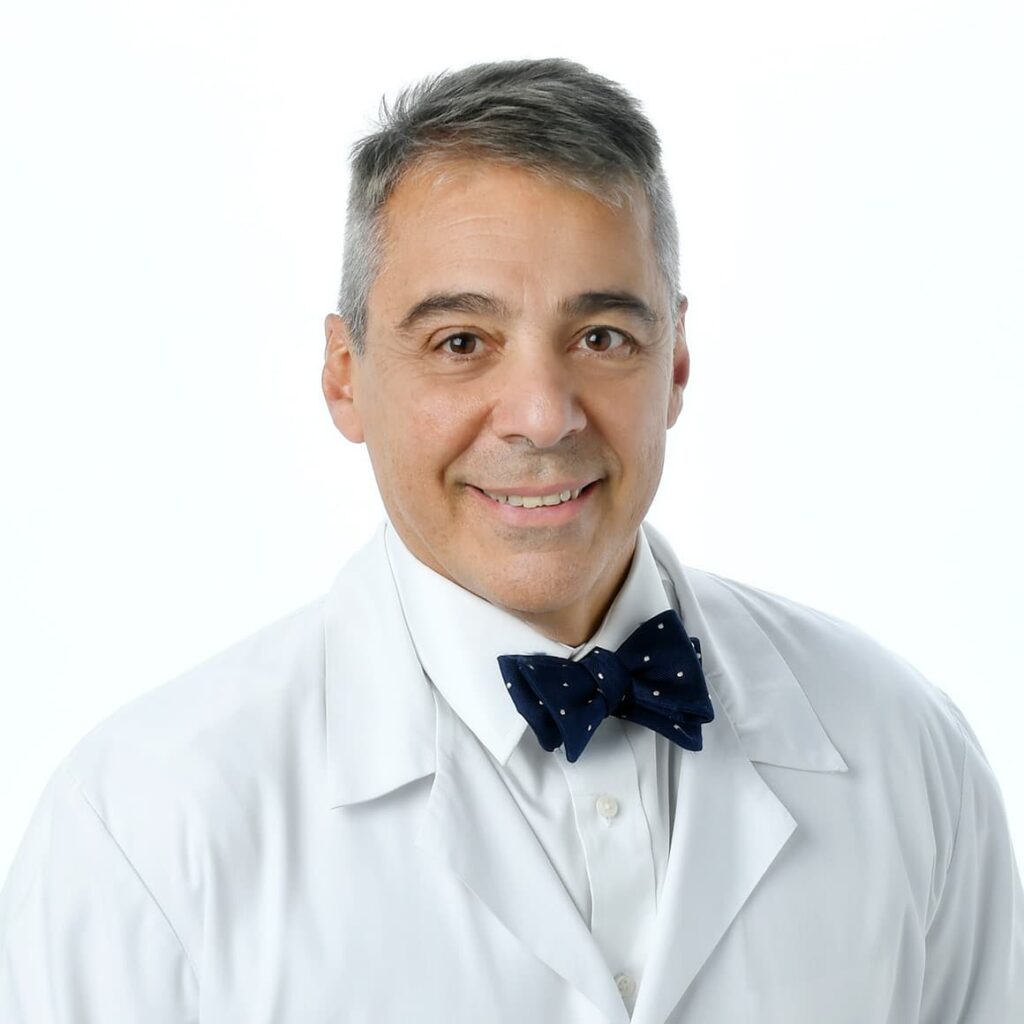

SAN DIEGO, CA — Maria Delgado was 58 years old when her pulmonologist told her she had pleural mesothelioma. Her husband, a retired Navy shipyard mechanic who had spent 22 years at Naval Station San Diego, had been diagnosed two years before her. She assumed she was out of options. Then her oncologist referred her to a thoracic surgery team less than 20 miles from her home.
What she found there reflects a broader shift happening across California's mesothelioma treatment landscape in 2026. Specialized surgical programs are expanding their capacity for lung-sparing procedures, and the data behind those techniques is getting harder to ignore.
A Surgical Approach That Prioritizes What Patients Keep
The procedure at the center of this shift is pleurectomy/decortication, known as P/D. Unlike the more radical extrapleural pneumonectomy, which removes the entire affected lung, P/D strips the tumor-laden lining of the chest while preserving lung function. According to a systematic review and meta-analysis published in the Annals of Translational Medicine, patients who underwent P/D showed comparable overall survival to those who received extrapleural pneumonectomy, with significantly lower 30-day mortality rates.
A separate comparative outcomes study found that P/D was associated with reduced perioperative risk, making it a viable path for patients who might not tolerate more extensive resection. These findings have reshaped how thoracic surgeons at major California centers are thinking about resectability, particularly for patients diagnosed at stage 2 or stage 3 before the disease has spread to distant organs.
For patients and families navigating this decision, the distinction matters enormously. Preserving a lung means preserving quality of life, the ability to walk to the mailbox, to sit through a grandchild's school play, to breathe without supplemental oxygen. What I hear from patients going through this is that they want to know what life looks like on the other side of surgery, not just whether surgery is technically possible.
Why California's Geography Is an Advantage
California's concentration of asbestos-exposed workers, particularly Navy veterans, shipyard laborers, and refinery and construction workers from the mid-20th century industrial boom, has created both a public health burden and, somewhat paradoxically, a critical mass of patients that supports highly specialized programs.
Moffitt Cancer Center, based in Tampa but widely cited in the literature on multimodal mesothelioma care, has documented that patients treated at high-volume specialty centers tend to receive more guideline-concordant care. California's NCI-designated cancer centers, including those affiliated with the University of California system, are among the most active in the country for mesothelioma clinical enrollment and surgical volume.
The state also leads the nation in open mesothelioma clinical trials, which means patients being evaluated for surgery are often simultaneously eligible for trials combining immunotherapy with their surgical plan. The combination of nivolumab and ipilimumab, now a first-line standard for unresectable disease according to the Memorial Sloan Kettering Cancer Center's clinical guidelines, is increasingly being studied as a perioperative complement to P/D in resectable cases.
That convergence, surgery plus systemic therapy plus potential trial access, is what makes California's treatment ecosystem distinct. As I've told many patients and families I've worked with: the zip code where you receive care can be as consequential as the treatment itself.
What This Means for Patients Weighing Their Options
The most important step you can take right now, if you or someone you love has received a mesothelioma diagnosis in California, is to request a formal multidisciplinary evaluation before committing to any single treatment path. That means a team that includes a thoracic surgeon experienced in P/D, a medical oncologist familiar with current immunotherapy protocols, and a radiation oncologist who can assess whether hemithoracic radiation is appropriate post-surgery.
Not every patient is a surgical candidate. Factors including tumor histology, disease stage, cardiac function, and overall performance status all influence eligibility. Epithelioid histology, the most common subtype, generally responds better to surgical intervention than biphasic or sarcomatoid disease, according to research published through the National Institutes of Health's PubMed database.
For patients who are not surgical candidates, the treatment landscape has also expanded. Tumor Treating Fields, the wearable electrical device therapy studied in the STELLAR trial, showed a median overall survival of 18.2 months when added to chemotherapy, compared to 12.1 months for historical chemotherapy controls. That trial's results, published in the Journal of Thoracic Oncology, have made TTFields a recognized option at major California centers.
Financial and legal considerations run parallel to medical ones. Many California mesothelioma patients have asbestos exposure histories that qualify them for compensation through bankruptcy trust funds, some of which are still actively paying claims. Families who want to understand their options can start with the patients and families resource hub or use the compensation estimator tool to get a preliminary sense of what prior asbestos exposure may be worth.
The medical and legal timelines for mesothelioma move fast. California's statutes of limitations for asbestos claims are strict, and waiting even a few months after diagnosis to explore legal options can affect eligibility. The treatment decisions and the financial decisions often need to happen simultaneously, which is why connecting with experienced advocates early makes a measurable difference.
This article is for informational purposes only and does not constitute medical advice. Consult your healthcare provider for guidance specific to your situation.

Comments (1)