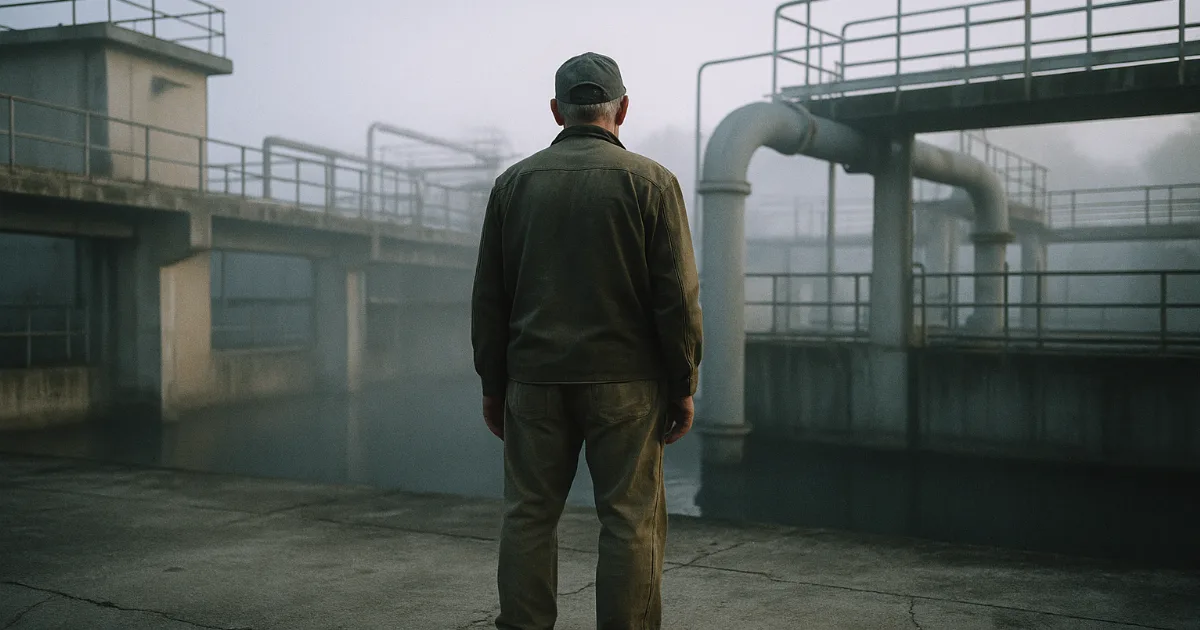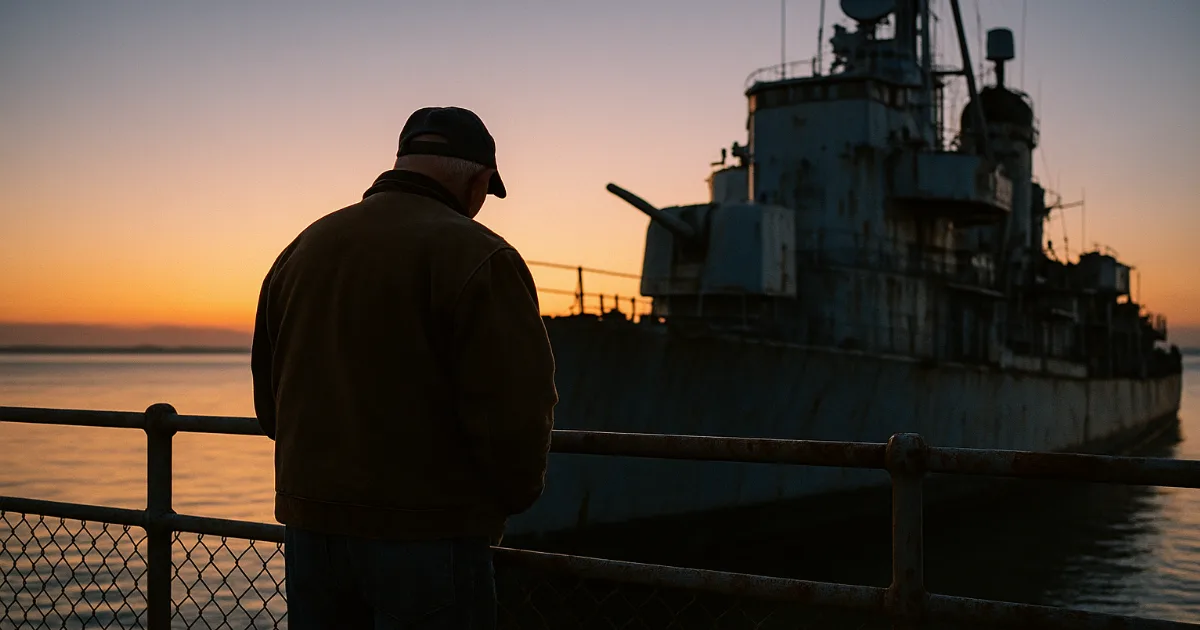


BROOKLYN, NY — Before it became a hub for artisan distilleries and film studios, the Brooklyn Navy Yard was one of the most asbestos-saturated worksites in American history. And for the men who served and worked there between the 1940s and 1970s, that legacy is still arriving in the form of diagnoses, disability claims, and funerals.
What Made the Brooklyn Navy Yard So Dangerous
At its wartime peak, the Brooklyn Navy Yard employed more than 70,000 workers. Ships were built, repaired, and outfitted there at a pace that made it one of the most productive naval facilities in the world. And virtually every inch of those ships was wrapped, insulated, and sealed with asbestos.
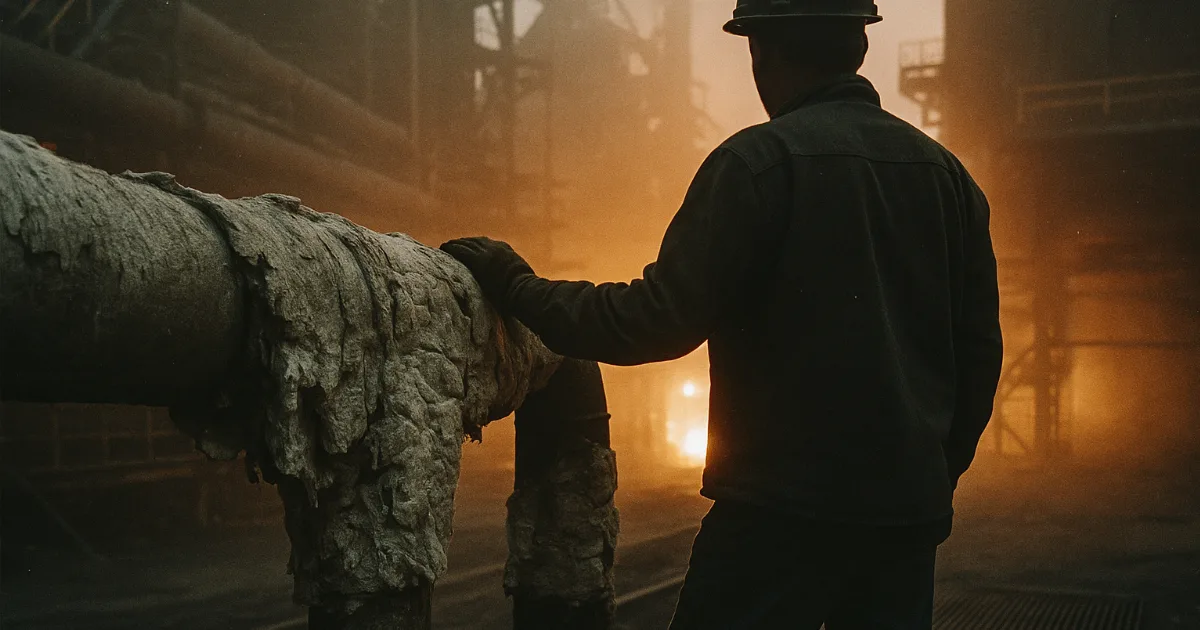
Pipefitters packed asbestos rope around steam lines. Boilermakers applied asbestos insulation in engine rooms that had no ventilation. Electricians cut through asbestos board to run wire through bulkheads. The dust was constant, invisible, and — as researchers now understand — lethal with even brief exposure. According to the VA's public health division, veterans who worked in shipyards during this era face some of the highest rates of asbestos-related disease of any occupational group in the country.
The diseases that result from that exposure, including pleural mesothelioma-lung-cancer.org/encyclopedia/pleural-mesothelioma/) and asbestos-related lung cancer, can take 20 to 50 years to develop after the initial exposure. That latency period means veterans who served at the Brooklyn Navy Yard in the 1950s and 1960s are receiving diagnoses right now, in 2026, often with no immediate explanation for why they're sick.
Why So Many Veterans Don't Connect Their Service to Their Diagnosis
Here's what I tell every veteran I work with when they come in confused about how they ended up with mesothelioma: the disease doesn't announce where it came from. A 78-year-old former Navy machinist mate who spent three years aboard a destroyer that was refitted at the Brooklyn yard isn't thinking about pipe insulation from 1964. He's thinking about his breathing, his oncologist appointments, and whether his family is going to be okay.
That disconnect costs veterans real money and real access to care. The VA recognizes that shipyard service is among the most significant asbestos exposure risk factors for veterans, and it has a formal disability claims process specifically for asbestos-related conditions. But according to the American Legion's veterans healthcare advocacy program, a significant number of eligible veterans never file because they don't realize their military service is the legal and medical link to their illness.
Veterans who served during this period at facilities like the Brooklyn Navy Yard may qualify for VA disability compensation, VA health care enrollment, and in some cases, concurrent claims through asbestos bankruptcy trust funds that were established by the manufacturers who supplied the insulation. The trust fund system, which has paid out more than $20 billion in claims since its inception, exists precisely because companies like Johns-Manville and Owens Corning supplied the Navy with materials their own engineers knew were dangerous.
What Brooklyn Navy Yard Veterans Should Do Right Now
If you or someone in your family served at the Brooklyn Navy Yard, or aboard ships that were built or refitted there, the first step is documentation. Service records, ship assignments, and work history are the foundation of any VA claim. The VA's eligibility guidelines for asbestos exposure require a current diagnosis, a history of in-service asbestos exposure, and a medical nexus connecting the two — and that nexus is exactly where many claims fall apart without proper advocacy.
Veterans pursuing claims should also understand that VA benefits and legal compensation through the civil court system or asbestos trust funds are not mutually exclusive. Many families pursue both simultaneously. Our veterans resource hub has a full breakdown of how those two tracks work together, and our asbestos exposure site directory includes documented information about the Brooklyn Navy Yard specifically.
The VFW's advocacy division has also pushed for expanded outreach to Navy veterans who may not have connected their shipyard service to their current health conditions, particularly as more diagnoses emerge in men now in their late 70s and 80s.
What I tell every veteran I work with is simple: you earned these benefits. The companies that made the insulation knew it was killing people and sold it anyway. The VA has the claims infrastructure to help you. The only thing standing between a veteran and compensation is often just knowing where to start. For Brooklyn Navy Yard veterans, that starting point is a conversation with a VA-accredited claims agent and a review of your full service history. Don't let a diagnosis that took 50 years to arrive go uncompensated because the paperwork felt too complicated.
This article provides general information about VA benefits. Eligibility depends on individual service history and medical diagnosis.