
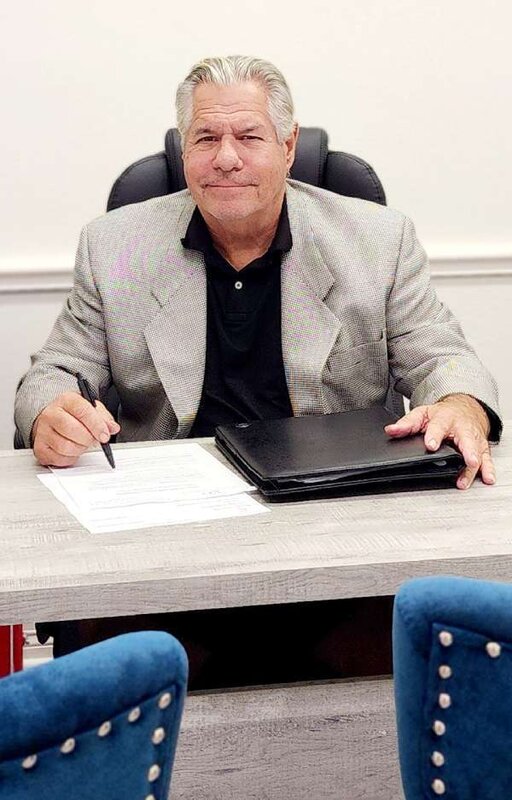


The retirement party was supposed to be the best day of Earl Simmons's life. After 24 years as a pipefitter at Norfolk Naval Shipyard in Portsmouth, Virginia, he'd earned it. But the cough that had followed him out the door of the yard in 2019 didn't stop when the party ended. By early 2024, a pulmonologist at Sentara Norfolk General Hospital had a name for it: pleural mesothelioma. Earl was 67 years old.
His story is not unusual. It is, in fact, depressingly common among the men and women who worked at Norfolk Naval Shipyard, one of the oldest and largest naval shipyards in the United States. The yard's history with asbestos stretches back to the early 20th century, and its consequences are still unfolding in oncology waiting rooms and VA claims offices across Hampton Roads and beyond.
What Made Norfolk Naval Shipyard So Dangerous?
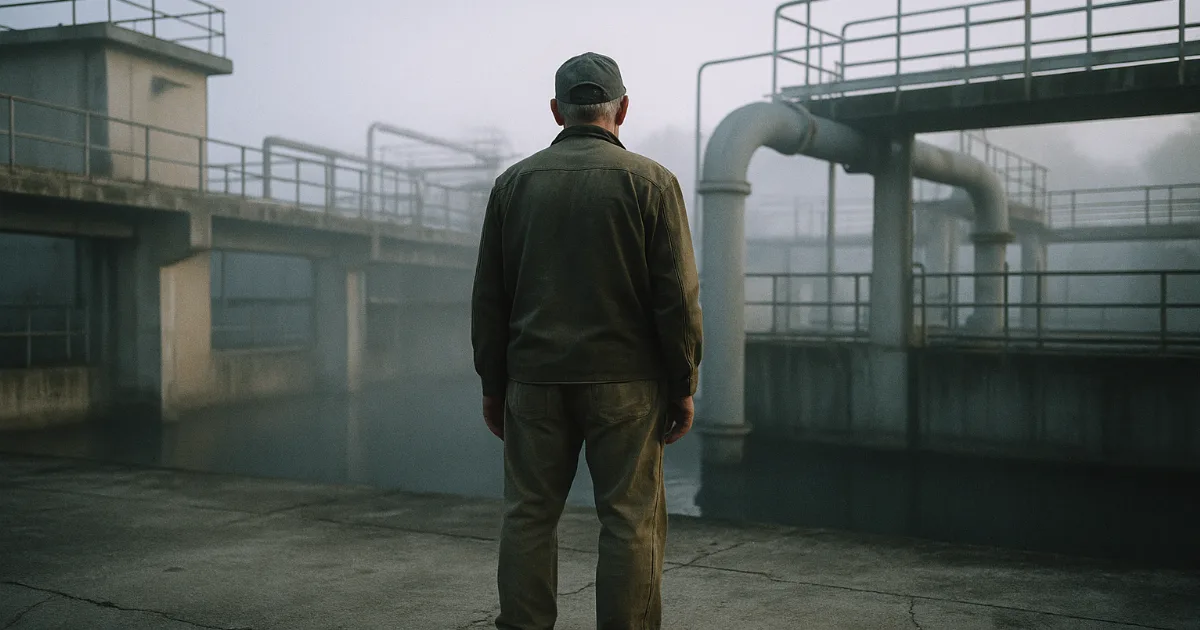
Norfolk Naval Shipyard, located in Portsmouth, Virginia, and often called NNSY, has been a centerpiece of American naval power since 1767. For most of the 20th century, it was also one of the most asbestos-saturated workplaces in the country. Asbestos was used extensively in shipbuilding because it was cheap, fire-resistant, and effective as insulation. According to the VA's own guidance on asbestos exposure, veterans who worked in shipyards, particularly between 1930 and 1978, faced some of the highest occupational asbestos exposures recorded in any American industry.
At NNSY, asbestos appeared in virtually every part of a ship's construction and repair. It was wrapped around pipes, packed into boiler rooms, sprayed onto structural steel, and layered into engine compartments. Workers who insulated those pipes, welded in those engine rooms, or simply walked through those spaces every day breathed in asbestos fibers without realizing what they were inhaling. Many weren't warned. Some were actively told the material was safe.
Veterans who served during this period, particularly those who worked aboard or repaired vessels at NNSY between the 1940s and the late 1970s, were exposed to concentrations of airborne asbestos fibers that would be illegal under any modern safety standard. The Occupational Safety and Health Administration didn't establish permissible exposure limits for asbestos until 1971, and even then, enforcement in military facilities was inconsistent at best.
The shipyard handled everything from aircraft carriers to submarines. Each class of vessel had its own asbestos profile. Boiler rooms on destroyers and cruisers were particularly hazardous, with multiple layers of asbestos insulation applied to steam pipes and heat exchangers. Workers who scraped off old insulation during repairs released a concentrated cloud of fibers that lingered in poorly ventilated spaces for hours.
Why the Diagnosis Takes Decades to Arrive
Here's what makes mesothelioma so devastating for this population: the disease doesn't announce itself until it's already advanced. The latency period between asbestos exposure and a mesothelioma diagnosis typically runs between 20 and 50 years, according to the National Cancer Institute. A sailor who breathed asbestos dust in a Norfolk engine room in 1968 might not receive a diagnosis until 2020 or later.
By the time symptoms appear, including persistent chest pain, shortness of breath, and a dry cough that won't quit, the cancer has often progressed to stage III or stage IV. That late-stage diagnosis is the rule, not the exception. It's why the median survival time after diagnosis remains measured in months rather than years for most patients, though newer treatments are beginning to change that calculus for some.
For Earl Simmons and thousands like him, the delay between exposure and diagnosis also creates a legal and administrative maze. Evidence fades. Companies go bankrupt. Witnesses die. The very passage of time that allowed the cancer to develop also erodes the paper trail needed to prove where and how the exposure occurred.
What I tell every veteran I work with is this: the documentation you think you don't have often exists somewhere. Military service records, ship manifests, work orders, and occupational health files from NNSY can all establish the exposure history a VA claim or legal case needs. The work is in finding them.
How the VA Handles Asbestos Exposure Claims from NNSY
The VA recognizes that shipyard workers, including both active-duty military and civilian Department of Defense employees, faced significant asbestos exposure during the mid-20th century. Under VA disability benefits rules, veterans who can establish a service connection between their asbestos exposure and a current diagnosis, including mesothelioma, lung cancer, or asbestosis, may be eligible for disability compensation and healthcare benefits.
Service connection for asbestos-related disease requires three elements: evidence of in-service asbestos exposure, a current diagnosis of an asbestos-related condition, and a medical nexus linking the two. For veterans who worked at NNSY during the high-exposure decades, the first element is often the easiest to establish. The shipyard's documented use of asbestos-containing materials is well established in occupational health literature and VA records.
According to the VA's disability eligibility guidance for hazardous materials exposure, mesothelioma is among the conditions most directly associated with asbestos exposure, and claims involving mesothelioma are typically treated with urgency given the disease's prognosis. The Social Security Administration has also designated mesothelioma as a Compassionate Allowances condition, meaning both VA and SSA claims can be expedited for patients with confirmed diagnoses.
For veterans navigating this process, the mesothelioma answers resource and the VA disability filing guide are practical starting points. But the claim process itself is rarely straightforward, and veterans with mesothelioma diagnoses should not attempt to navigate it without experienced help.
Veterans who served during this period at NNSY should also know that civilian workers at the shipyard, including contractors and subcontractors, have their own legal pathways that run parallel to but separate from VA benefits. Civilian employees cannot file VA disability claims, but they may have substantial asbestos trust fund claims available to them.
!How the VA Handles Asbestos Exposure Claims from NNSY for mesothelioma veteran cases
The Trust Fund System and What NNSY Veterans Are Owed
Beyond VA benefits, many NNSY veterans and civilian workers have legal claims against the companies that manufactured and sold the asbestos-containing products used at the shipyard. Over 60 asbestos bankruptcy trusts have been established to compensate victims, collectively holding billions of dollars in assets, according to data compiled by the RAND Corporation.
Companies like Johns-Manville, Owens Corning, Armstrong World Industries, and dozens of others that supplied asbestos insulation, gaskets, and pipe coverings to naval shipyards across the country established these trusts after bankruptcy proceedings. Veterans and workers who can document exposure to their products, even decades later, may be eligible for compensation from multiple trusts simultaneously.
The asbestos trust fund directory and the trust fund checker tool can help families identify which trusts may apply to a specific exposure history. For a veteran who worked at NNSY and can name even a few of the products they worked with, the number of potentially applicable trusts can be surprisingly large.
Trust fund claims are separate from VA benefits and do not reduce or offset disability compensation. A veteran can receive VA disability payments, Social Security disability benefits, and trust fund compensation simultaneously. This is a point that surprises many families who assume that accepting one form of compensation forecloses others.
Legal claims against solvent defendants, meaning companies that didn't go bankrupt, remain another avenue. Virginia's statute of limitations for mesothelioma claims is generally two years from the date of diagnosis, which is tighter than many veterans realize. The statute of limitations tool can help families understand the specific deadlines that apply to their situation. Missing that window means losing the right to sue, regardless of how strong the underlying case might be.

What NNSY Veterans Should Do Right Now
A retired Navy machinist mate who spent eight years doing overhaul work at NNSY in the 1970s and now has a persistent cough and unexplained chest pain should not wait for symptoms to worsen before taking action. The same is true for the widow of a civilian pipe insulator who died of lung cancer in 2022 without ever filing a VA or trust fund claim. In both cases, options likely still exist.
For active patients, the first priority is getting to a specialist. Mesothelioma is rare enough that community oncologists often lack the specific expertise to optimize treatment. Major cancer centers with dedicated mesothelioma programs, including several accessible from Hampton Roads at institutions like Johns Hopkins in Baltimore and UVA Health in Charlottesville, offer multidisciplinary teams that community hospitals simply cannot replicate. The mesothelioma treatment locations directory can help families identify the closest specialized programs.
For families dealing with a recent diagnosis, the guide to filing a mesothelioma lawsuit walks through the legal process in plain language. And for those who want to understand the disease itself before their next oncology appointment, the mesothelioma encyclopedia provides a medically accurate foundation.
The VFW's advocacy office has also been active in pushing for expanded VA resources for asbestos-exposed veterans, and organizations like the Asbestos Nation project maintain updated information on exposure sites, including naval shipyards, that can help veterans build the documentation their claims require.
What I tell every veteran I work with is simple: you earned these benefits. You didn't ask to be exposed to asbestos. You showed up to work, did your job, and trusted that the people above you were looking out for your safety. They weren't. The legal and benefits systems that exist today exist precisely because of that failure, and using them isn't charity. It's accountability.
The Civilian Workers Who Often Fall Through the Cracks
One population that advocates consistently flag as underserved is the civilian workforce at NNSY. The shipyard has always employed a substantial number of civilians, including skilled tradespeople in the pipefitting, insulation, and boilermaking crafts, who worked alongside active-duty sailors but without military service records to anchor their exposure history.
For these workers, the VA pathway is closed. But asbestos trust fund claims and, where applicable, civil litigation remain available. The challenge is documentation. Without a military service record, establishing the specific products and locations of asbestos exposure requires more legwork: union records, employment files, coworker testimony, and occupational health records from the shipyard itself.
According to Asbestos Nation's research on naval shipyard exposure sites, NNSY is among the most extensively documented shipyards in terms of the asbestos-containing products used and the manufacturers who supplied them. That documentation, built up over decades of litigation, is now a resource that civilian claimants can use to support their own cases.
The CURE Meso patient support network also provides resources for both military and civilian mesothelioma patients navigating the financial and legal aspects of their diagnosis, including referrals to attorneys with specific shipyard exposure experience.
A Disease That Doesn't Respect Retirement
Earl Simmons is in treatment now. His oncologist at a Norfolk-area cancer center has him on a combination regimen, and his family is working with a veterans benefits advocate to file both his VA disability claim and identify applicable asbestos trust funds. It's a lot to manage when you're also managing a cancer diagnosis. But Earl's daughter, who has taken over coordinating his care, put it plainly: "He gave 24 years to that shipyard. The least we can do is make sure he gets everything he's owed."
That sentiment captures something important. The men and women who built and repaired the ships that defined American naval power during the 20th century did so at a cost that is still being tallied. The asbestos is gone from NNSY now, removed in a decades-long remediation effort. But it is not gone from the lungs of the people who breathed it in, and it will not be gone from the medical and legal landscape for years to come.
For every veteran or worker who has already received a diagnosis, there are others who haven't yet but who carry the same exposure history and the same risk. Understanding what happened at Norfolk Naval Shipyard, and what options exist today, is not just about justice for those already sick. It's about making sure that when the next diagnosis comes, the family on the other end of it knows exactly where to turn.
!Veteran's age-worn hands rest on trust fund claim documents during consultation at attorney's desk

Frequently Asked Questions
Was asbestos actually used at Norfolk Naval Shipyard?
Yes. According to the VA's guidance on hazardous materials exposure, naval shipyards including Norfolk Naval Shipyard used asbestos extensively in ship construction and repair throughout the mid-20th century. Asbestos was applied to pipes, boilers, engine rooms, and structural components. Veterans and civilian workers who served or worked at NNSY between the 1930s and late 1970s faced some of the highest documented occupational asbestos exposures in American industry.
What diseases are linked to asbestos exposure at naval shipyards?
The primary diseases linked to shipyard asbestos exposure include pleural mesothelioma, peritoneal mesothelioma, lung cancer, and asbestosis. According to the National Cancer Institute, the latency period between exposure and diagnosis typically spans 20 to 50 years. Peritoneal mesothelioma, which affects the abdominal lining, is less common than pleural but is also associated with heavy asbestos exposure in shipyard environments.
Can veterans who worked at NNSY file VA disability claims?
Yes. The VA recognizes asbestos exposure as a basis for disability compensation when veterans can establish a service connection between their exposure and a current diagnosis. According to VA eligibility guidelines, veterans must show in-service exposure, a current diagnosis of an asbestos-related condition, and a medical nexus linking the two. Mesothelioma claims are treated with urgency given the disease's prognosis.
Are civilian workers at Norfolk Naval Shipyard eligible for compensation?
Civilian workers cannot file VA disability claims, but they may have substantial claims through the asbestos bankruptcy trust fund system. Over 60 trusts have been established by companies that manufactured asbestos products used at naval shipyards. Civilian workers can also pursue civil litigation against solvent defendants. Virginia's statute of limitations for mesothelioma claims is generally two years from diagnosis.
Does receiving VA benefits affect asbestos trust fund claims?
No. VA disability compensation and asbestos trust fund payments are separate and do not offset each other. A veteran can receive VA disability benefits, Social Security disability payments under the SSA's Compassionate Allowances program for mesothelioma, and trust fund compensation simultaneously. Many families are unaware of this and unnecessarily limit their claims.
How do veterans document asbestos exposure at NNSY for a VA claim?
Documentation can come from military service records, ship assignment records, work orders, occupational health files, and statements from fellow workers. The VA also accepts buddy statements from coworkers who can attest to working conditions. Organizations like the VFW's advocacy office and mesothelioma-specific legal teams have experience locating historical records from NNSY and other naval shipyards.
What should a veteran do immediately after a mesothelioma diagnosis?
The first step is getting to a specialist at a mesothelioma-focused cancer center, as community oncologists often lack the specific expertise to optimize treatment. Simultaneously, veterans should contact a VA-accredited claims agent or veterans service organization to begin the disability claim process, and consult with a mesothelioma attorney to evaluate trust fund and litigation options before Virginia's two-year statute of limitations begins to run.
This article provides general information about VA benefits. Eligibility depends on individual service history and medical diagnosis.

Comments (3)
— Larry Gates