



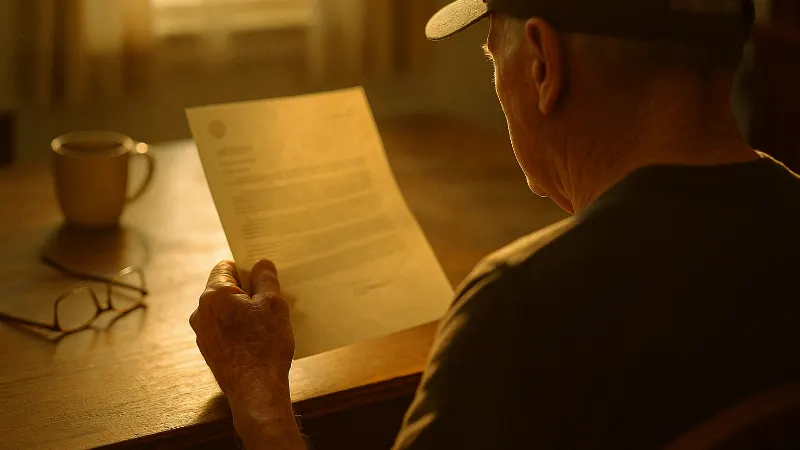
The letter arrived on a Tuesday in February. After 26 years working as a pipefitter at Bethlehem Steel's Sparrows Point facility in Baltimore, Thomas Gruber had built a life on the premise that hard work protected you. It didn't protect him from the diagnosis inside that envelope: pleural mesothelioma, caused by decades of breathing asbestos fibers in the shipyard's engine rooms and below-deck compartments. He was 71. He'd never smoked a day in his life.
His story isn't rare. It's a pattern. Bethlehem Steel operated some of the largest shipyards in American history, and for much of the 20th century, those shipyards were saturated with asbestos. Pipe insulation, boiler lagging, gaskets, floor tiles, overhead insulation — asbestos was everywhere, and the men who worked those yards breathed it every day. Many of them were veterans. And many of them are now receiving diagnoses that trace directly back to that exposure, sometimes 40 or 50 years later.
What Made Bethlehem Steel's Shipyards So Dangerous?
Bethlehem Steel was one of the dominant industrial forces in 20th-century America, with major shipyard operations at Sparrows Point in Maryland, Fore River in Quincy, Massachusetts, and Staten Island in New York. During World War II and the Korean War era, these facilities worked around the clock building and repairing naval vessels — destroyers, aircraft carriers, submarine tenders, troop transports. The workforce included tens of thousands of civilian shipyard workers and uniformed service members alike.
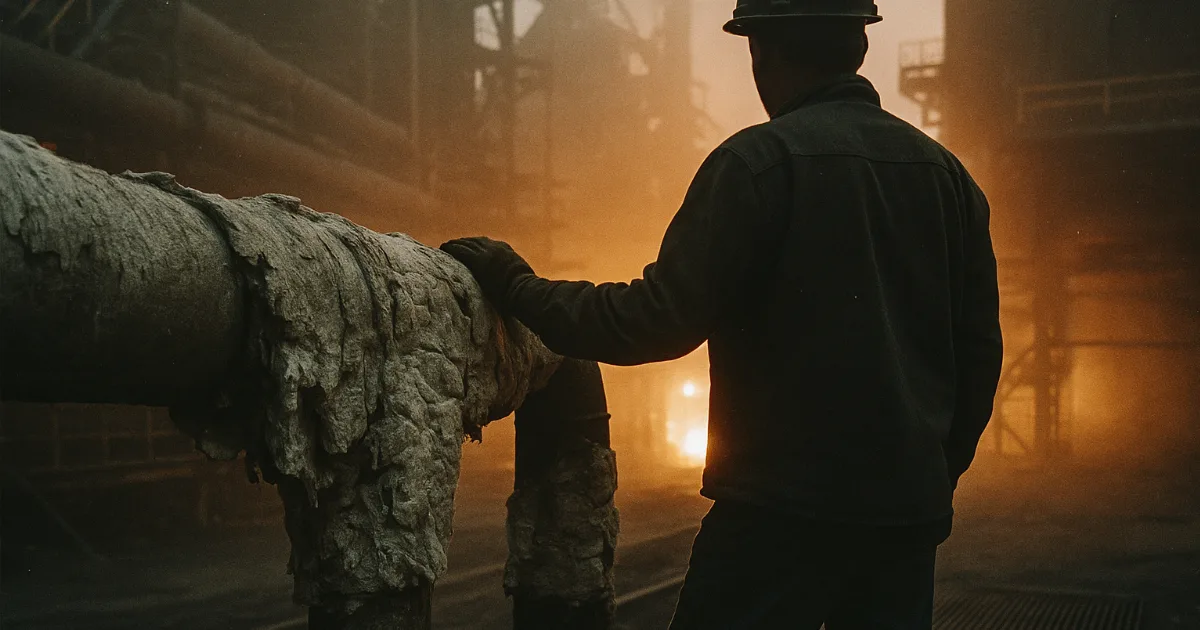
Asbestos was the insulation material of choice throughout this period. According to the VA's Public Health office, Navy veterans and shipyard workers from this era face some of the highest documented rates of asbestos exposure of any occupational group in American history. The material was applied to boilers, steam pipes, turbines, and virtually every thermal system aboard military and commercial vessels. Workers often applied it by hand, in enclosed spaces with little ventilation, generating clouds of fiber-laden dust.
What made Bethlehem Steel's yards particularly hazardous wasn't just the volume of asbestos used — it was the structure of the work itself. Pipefitters, boilermakers, insulators, and sheet metal workers labored in tight compartments where asbestos dust had nowhere to go. Even workers whose jobs didn't directly involve asbestos — electricians, welders, painters — breathed contaminated air simply by being present. According to the VA's asbestos exposure guidance, the latency period for mesothelioma typically ranges from 20 to 50 years after initial exposure, which is why veterans who worked at these yards in the 1950s, 60s, and 70s are receiving diagnoses right now, in 2026.
The exposure sites directory maintained by mesothelioma researchers includes Bethlehem Steel's major facilities among the most significant industrial asbestos sites in the country — a distinction earned through decades of worker illness and litigation.
Why Veterans Are Disproportionately Affected
Veterans who served during the peak of Bethlehem Steel's operations — roughly World War II through the early 1980s — face compounded exposure risks that civilian workers often didn't. Many served aboard the very ships being built or repaired at these yards, then returned to work in them as civilians after discharge. Navy machinists, boilermakers, and enginemen frequently transitioned directly into shipyard trades, carrying their military skills into civilian jobs that put them right back in contact with the same materials.
According to the VA's Public Health guidance on asbestos exposure, military occupations with the highest documented risk include boiler technicians, pipefitters, insulation workers, shipyard workers, and construction personnel who worked on military installations. The VA recognizes that this overlap between military service and civilian industrial work created a generation of veterans with exposure histories that span decades and multiple contexts.
The numbers reflect this reality. According to data from the VA, mesothelioma is among the most common asbestos-related diseases documented in the veteran population, and the VA system processes thousands of asbestos-related disability claims each year. What I tell every veteran I work with is simple: if you worked at a shipyard — Bethlehem Steel or otherwise — during this era, you have likely been exposed to asbestos, and you may have benefits waiting for you that you've never claimed.
The VA's eligibility framework, according to its published guidance, does not require veterans to prove that their asbestos exposure happened exclusively during military service. If you can document that your service placed you in environments where asbestos was present — and Bethlehem Steel's shipyards absolutely qualify — you're on solid ground to file a claim.
How the VA Claims Process Works for Bethlehem Steel Veterans
There's a common misconception that navigating a VA disability claim for mesothelioma requires years of bureaucratic struggle. For many veterans, particularly those with documented shipyard exposure, the process is more straightforward than they expect — especially with the right preparation.
The VA rates mesothelioma as a 100% disabling condition, meaning veterans who receive a confirmed diagnosis are eligible for the maximum disability rating from the date of their claim. According to the VA's published claims guidance, veterans need to establish three things: a current diagnosis, evidence of in-service exposure, and a medical nexus connecting the two. For Bethlehem Steel workers who also served in the military, the exposure evidence is often extensive — service records, employment records, and the shipyard's own documented history of asbestos use.
The Social Security Administration also recognizes mesothelioma under its Compassionate Allowances program, which expedites disability determinations for conditions that clearly meet the standard for disability. For veterans facing a mesothelioma diagnosis, this means Social Security benefits can begin moving faster than a standard claim, which is critical given the disease's aggressive progression.
The American Legion's healthcare advocacy resources note that veterans often fail to claim benefits they've fully earned simply because they don't know the system. That's not a failure of the veteran — it's a failure of outreach. Veterans who served during this period deserve to have every benefit they earned pursued aggressively on their behalf.
For veterans or families uncertain where to start, the VA's how to file a claim page outlines the documentation needed, and VA-accredited claims agents can help gather shipyard employment records, military service documentation, and medical evidence.
!How the VA Claims Process Works for Bethlehem Steel Veterans
The Legal Landscape: Asbestos Litigation and Bethlehem Steel
Beyond VA benefits, veterans who worked at Bethlehem Steel's shipyards — or their surviving family members — may have legal claims against the manufacturers of the asbestos-containing products used at those facilities. This is a distinction many veterans don't understand: the VA claim is a separate track from civil litigation, and pursuing one does not preclude pursuing the other.
Bethlehem Steel itself filed for bankruptcy in 2001, and the company no longer exists as a going concern. But the manufacturers who supplied asbestos-containing insulation, gaskets, and equipment to those shipyards — companies like Johns-Manville, Armstrong World Industries, and dozens of others — created asbestos bankruptcy trusts as part of their own reorganization proceedings. According to legal guidance in the mesothelioma field, more than 60 such trusts currently hold over $30 billion in combined assets designated for asbestos claimants.
For veterans diagnosed with mesothelioma, trust fund claims can often be filed simultaneously with VA claims and civil litigation, depending on the circumstances. The statute of limitations for these claims varies by state and begins running from the date of diagnosis — not the date of exposure. In Maryland, where Sparrows Point was located, the statute of limitations for personal injury claims is three years from diagnosis. In Massachusetts, where the Fore River yard operated, it's also three years.
What I tell every veteran I work with when they ask about legal options is this: get the VA claim moving first, because it's the fastest path to financial support, and then talk to a mesothelioma attorney about trust fund and civil litigation options. These tracks run in parallel, not in competition.
For families who have lost a veteran to mesothelioma, wrongful death claims are also available in most states, and trust fund claims can be filed on behalf of a deceased worker's estate. The guide to filing a mesothelioma lawsuit provides a detailed overview of how this process works across different jurisdictions.

Treatment Access for Veterans: What the VA System Offers
A mesothelioma diagnosis is devastating under any circumstances. But veterans have access to a healthcare system that, at its best, provides specialized oncological care, clinical trial access, and coordinated support services that many private patients struggle to find.
According to the VA's health care eligibility guidance, veterans with service-connected conditions — including mesothelioma rated at 100% disability — receive priority access to VA medical centers and are eligible for care at no cost. The VA operates cancer treatment programs at major medical centers across the country, and veterans can also receive treatment at non-VA facilities through the Community Care program if a VA facility can't provide the specific care needed.
For veterans in states with major mesothelioma treatment centers, the options are significant. The locations directory identifies specialized mesothelioma treatment programs by state, which is essential for veterans whose local VA may not have mesothelioma-specific expertise. Veterans should know they're not limited to the nearest VA hospital — they can request referrals to centers with dedicated thoracic oncology programs.
Treatment options for mesothelioma have expanded meaningfully in recent years. According to the Lung Cancer Research Foundation, immunotherapy combinations — particularly nivolumab plus ipilimumab, approved by the FDA for unresectable pleural mesothelioma — have extended median survival for some patients beyond what was achievable with chemotherapy alone. For veterans who qualify, clinical trial access through VA research programs represents another avenue that shouldn't be overlooked.
The VA recognizes that mesothelioma patients face not just physical challenges but significant logistical and emotional ones. CureMeso's patient support services provide disease-specific resources including financial assistance navigation, clinical trial matching, and caregiver support — resources that complement what the VA system offers and that veterans' families should know exist.
What Families of Bethlehem Steel Veterans Need to Know
Mesothelioma doesn't just happen to veterans. It happens to families. Spouses and children of shipyard workers were sometimes exposed through what researchers call secondary or take-home exposure — asbestos fibers carried home on work clothing, in hair, on skin. According to the VA's public health guidance, secondary exposure is a documented pathway to mesothelioma, and family members who developed the disease may have legal claims independent of the veteran's own case.
For families navigating a diagnosis alongside a veteran, the administrative burden can be overwhelming. VA claims, legal consultations, treatment decisions, financial planning — all of it descends at once. The American Legion's veterans healthcare advocacy resources include navigation assistance specifically designed to help families coordinate these parallel tracks without losing momentum on any of them.
Beyond the immediate crisis, families should also understand what happens to benefits after a veteran's death. VA Dependency and Indemnity Compensation (DIC) provides monthly payments to surviving spouses and dependents of veterans who died from service-connected conditions. For a veteran who died from mesothelioma connected to shipyard asbestos exposure during service, the surviving spouse is typically eligible for DIC payments that continue for life.
Veterans who served during this period built something extraordinary — they built the ships that kept this country safe and the infrastructure that kept it running. They deserve every benefit, every legal remedy, and every treatment option available to them. That's not charity. That's what they earned.
What Should Veterans and Families Do Next?
If you're a veteran who worked at a Bethlehem Steel shipyard — Sparrows Point, Fore River, Staten Island, or any of the company's other facilities — or if you served aboard vessels that were built or repaired at those yards, there are concrete steps to take right now.
First, document everything. Service records, employment records, union membership records, coworker testimony — all of it matters for both the VA claim and any legal action. The VA's claims process requires evidence of in-service exposure, and the more specific your documentation, the stronger your claim.
Second, get a pulmonary evaluation if you haven't already. Mesothelioma's early symptoms — shortness of breath, chest pain, persistent cough — are easy to attribute to aging or other causes. Veterans who worked in shipyards during the asbestos era should be proactive about imaging and pulmonary function testing.
Third, understand your legal timeline. The statute of limitations clock starts at diagnosis, not at exposure. Once you have a confirmed diagnosis, time matters — not in a way that should cause panic, but in a way that requires prompt action. Use the statute of limitations tool to understand the deadlines that apply in your state.
Fourth, explore all treatment options, including clinical trials and specialized mesothelioma centers. The treatment resources available through specialized programs have expanded significantly, and veterans shouldn't assume their local facility represents the full range of what's possible.
Thomas Gruber, the Baltimore pipefitter whose story opened this article, filed his VA claim within three months of diagnosis and was rated at 100% disability within six weeks. His attorney filed trust fund claims against four manufacturers whose products were documented at Sparrows Point. He's now receiving treatment at a specialized mesothelioma program in Baltimore. None of that happened automatically. It happened because someone told him what he'd earned and helped him go get it.
Every veteran in his situation deserves the same.
!Veteran's hand holding medical letter at morning-lit study table, intimate moment of diagnosis
Frequently Asked Questions
Did Bethlehem Steel shipyards use asbestos?
Bethlehem Steel's major shipyard facilities, including Sparrows Point in Maryland and Fore River in Massachusetts, used asbestos extensively throughout the mid-20th century. According to the VA's public health guidance on asbestos exposure, shipyard workers from this era face some of the highest documented occupational asbestos exposure rates of any workforce. Insulation, boiler lagging, pipe coverings, and gaskets throughout these facilities contained asbestos.
What VA benefits are available for veterans with mesothelioma from shipyard exposure?
Veterans diagnosed with mesothelioma connected to military or shipyard asbestos exposure are eligible for a 100% disability rating, free VA healthcare, and monthly disability compensation. According to the VA's health care eligibility guidance, veterans with service-connected conditions receive priority access to VA medical centers. Surviving spouses may also qualify for Dependency and Indemnity Compensation after the veteran's death.
Can veterans file both a VA claim and a lawsuit for Bethlehem Steel asbestos exposure?
Yes. VA disability claims and civil litigation — including asbestos bankruptcy trust fund claims — are separate legal tracks that can be pursued simultaneously. Filing a VA claim does not reduce or eliminate eligibility for trust fund compensation or civil lawsuit settlements. More than 60 asbestos bankruptcy trusts hold combined assets exceeding $30 billion designated for claimants with documented exposure histories.
How long do veterans have to file a mesothelioma lawsuit after a Bethlehem Steel diagnosis?
The statute of limitations for mesothelioma claims begins at the date of diagnosis, not the date of exposure. In Maryland, the limit is three years from diagnosis; in Massachusetts, it is also three years. State-specific deadlines vary, and veterans should use the statute of limitations tool to verify the rules applicable to their state and consult with a mesothelioma attorney promptly after diagnosis.
What occupations at Bethlehem Steel had the highest asbestos exposure?
According to the VA's public health guidance, the highest-risk occupations in shipyard environments included pipefitters, boilermakers, insulators, sheet metal workers, and boiler technicians. However, workers in adjacent trades — electricians, painters, welders — also faced significant secondary exposure from working in the same enclosed spaces where asbestos was being applied or disturbed.
Can family members of Bethlehem Steel workers also file mesothelioma claims?
Yes. Family members who developed mesothelioma through secondary exposure — asbestos fibers carried home on a worker's clothing or body — may have independent legal claims. This is a documented exposure pathway recognized in mesothelioma litigation. Surviving family members of deceased workers can also file wrongful death claims and trust fund claims on behalf of the worker's estate.
Does the VA require proof that asbestos exposure happened exclusively during military service?
No. According to the VA's asbestos exposure guidance, veterans need to establish a current diagnosis, evidence of in-service exposure, and a medical nexus connecting them. The VA does not require that exposure occurred exclusively during service — veterans who worked in military-adjacent environments like naval shipyards during their service period can qualify even if exposure also occurred in civilian employment afterward.
This article provides general information about VA benefits. Eligibility depends on individual service history and medical diagnosis.

Comments (3)
My father worked at Sparrows Point from 1978 to 1992 doing insulation work, and he was diagnosed with mesothelioma in 2019. We had no idea asbestos was even a concern back then — the shipyard never mentioned it. He passed away last year before we could get the full VA benefits process sorted, which still haunts me. The article mentions the 100% disability rating, but I wish there was more detail about how long the VA approval actually takes. We're dealing with his estate now and trying to figure out if there are claims we can still file on his behalf. Did anyone else's family member work there during that era? Im wondering if there's a registry or group of Sparrows Point workers we should connect with.
My father worked at Sparrows Point from 1968 to 1974 doing welding and insulation work. He was diagnosed with mesothelioma in 2019 and passed away 18 months later. What Im frustrated about is that the VA initially denied his claim because they said his service records didn't clearly document asbestos exposure — even though everyone who worked there at that time was exposed. We eventually got the 100% rating approved but only after hiring a veterans advocate. I wish hed known about the bankruptcy trust funds earlier. He qualified but we didnt file until after diagnosis and honestly the process was confusing. If youre a vet from those shipyards, dont wait. Get your records together now and talk to someone who specializes in this. These companies knew what they were doing.