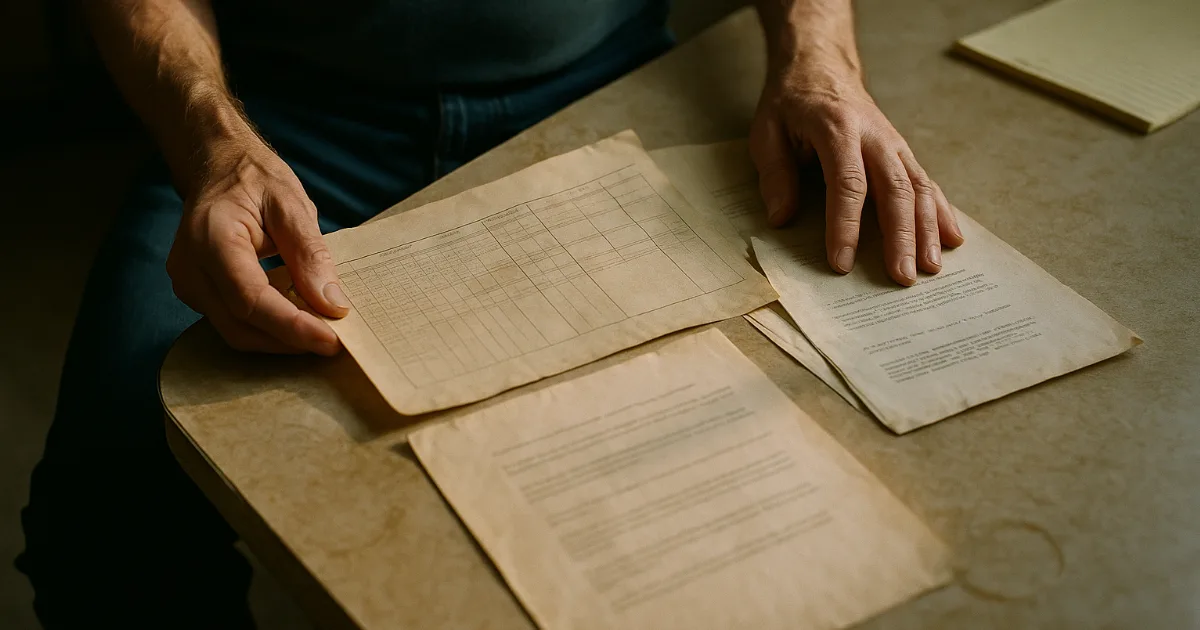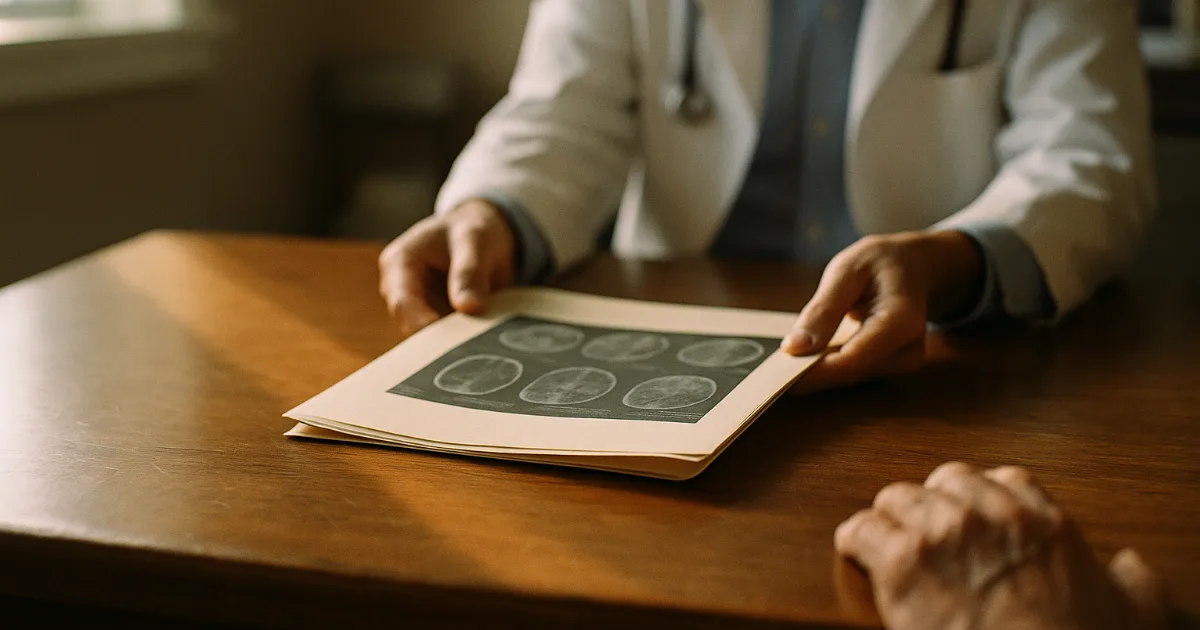
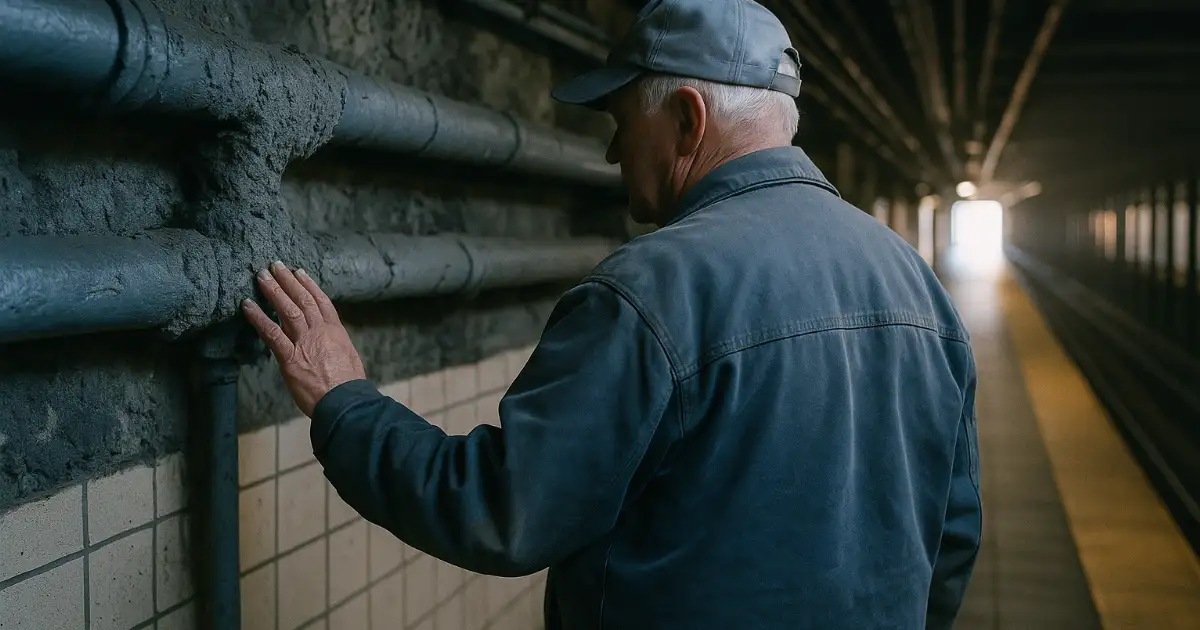
QUEENS, NY — For two years, Raymond Delgado's shortness of breath was blamed on everything except what it actually was. His primary care doctor suspected COPD. A pulmonologist mentioned possible scarring. It wasn't until a chest CT at a community hospital in Flushing flagged an unusual pleural thickening that anyone said the word mesothelioma out loud.
Delgado, 68, had spent 31 years maintaining tunnels and ventilation shafts for New York City Transit, work that routinely brought him into contact with aging pipe insulation and fireproofing materials in stations built decades before asbestos regulations tightened. His diagnosis, confirmed in early 2026, sent his family into a spiral of fear and confusion. But the decision his daughter made three weeks later, to get a second opinion from a mesothelioma specialist in Manhattan rather than immediately accepting the community hospital's proposed treatment plan, turned out to be the most consequential call of his care.
What Changed When a Specialist Stepped In
The community hospital had recommended a standard chemotherapy regimen. When Delgado's family connected with a thoracic oncologist at a major Manhattan cancer program, the clinical picture shifted almost immediately. The specialist ordered additional tissue analysis and imaging that revealed his tumor was of the epithelioid cell type, the subtype with the most favorable prognosis according to the National Comprehensive Cancer Network's mesothelioma guidelines. That distinction mattered enormously for what came next.
According to the NCCN's current mesothelioma treatment guidelines, cell type is one of the most significant factors in determining whether a patient is a candidate for surgical resection, immunotherapy combinations, or multimodal approaches. Patients with epithelioid mesothelioma generally respond better to treatment and survive longer than those with sarcomatoid or biphasic subtypes. The specialist also flagged that Delgado might be eligible for a clinical trial that the community hospital had never mentioned.
"What I hear from patients going through this is that they didn't know they had options," said Yvette Abrego, a patient advocate who has worked with mesothelioma families across the country. "The difference between a general oncologist and a mesothelioma specialist isn't just expertise. It's that the specialist sees this disease every week. They know what the community hospital doesn't know to look for."
Why Second Opinions in NYC Matter More Than Most Patients Realize
New York City's concentration of mesothelioma expertise is unusual even by major metropolitan standards. The city's academic medical centers collectively run some of the highest-volume mesothelioma programs in the country, with surgeons who have performed hundreds of cytoreductive procedures and oncologists whose entire practices are organized around thoracic malignancies. For a disease this rare, volume matters.
According to data from the SEER program at the National Cancer Institute, mesothelioma accounts for fewer than 1% of all cancer diagnoses in the United States, with roughly 3,000 new cases confirmed each year nationally. That rarity is exactly what makes specialist access so critical. General oncologists may see only one or two mesothelioma patients in a career. A specialist at a high-volume NYC program may see that many in a single month.
The World Health Organization has documented that early, expert-guided intervention is among the most significant modifiable factors in mesothelioma outcomes, a reality that makes the decision of where to seek care one of the highest-stakes choices a newly diagnosed patient faces. Families navigating this can find a curated mesothelioma treatment center directory and a guide to choosing the right treatment center as starting points.
What This Means for Patients and Families Facing a New Diagnosis
The most important step you can take right now, if you or someone close to you has just received a mesothelioma diagnosis in New York, is to request a referral to a specialist before any treatment begins. Not after the first chemotherapy infusion. Before.
Many patients and families I've worked with have told me they felt pressured to move fast after diagnosis, as though pausing for a second opinion was somehow dangerous. In most mesothelioma cases, taking two to three weeks to get specialist input does not compromise outcomes. What it can do is completely change the treatment plan, open access to clinical trials, and ensure the staging and cell-type analysis are as precise as possible.
Delgado's case also carries a legal dimension that families often overlook in the immediate shock of diagnosis. Decades of occupational asbestos exposure in New York's transit infrastructure, construction trades, and industrial facilities have left thousands of workers with legitimate compensation claims. Understanding your legal options, including asbestos trust fund eligibility, is part of comprehensive care planning. Families can use the compensation estimator to get a preliminary sense of what may be available, and the patients and families resource hub offers a broader roadmap for navigating both the medical and financial dimensions of a diagnosis.
As of early 2026, Delgado is enrolled in a clinical trial at the Manhattan center that first re-evaluated his case. His family credits the second opinion with giving him options they didn't know existed. That's not a guarantee of outcome. But it is, as anyone who has sat in that waiting room knows, the difference between feeling like a bystander in your own care and feeling like you still have a say.