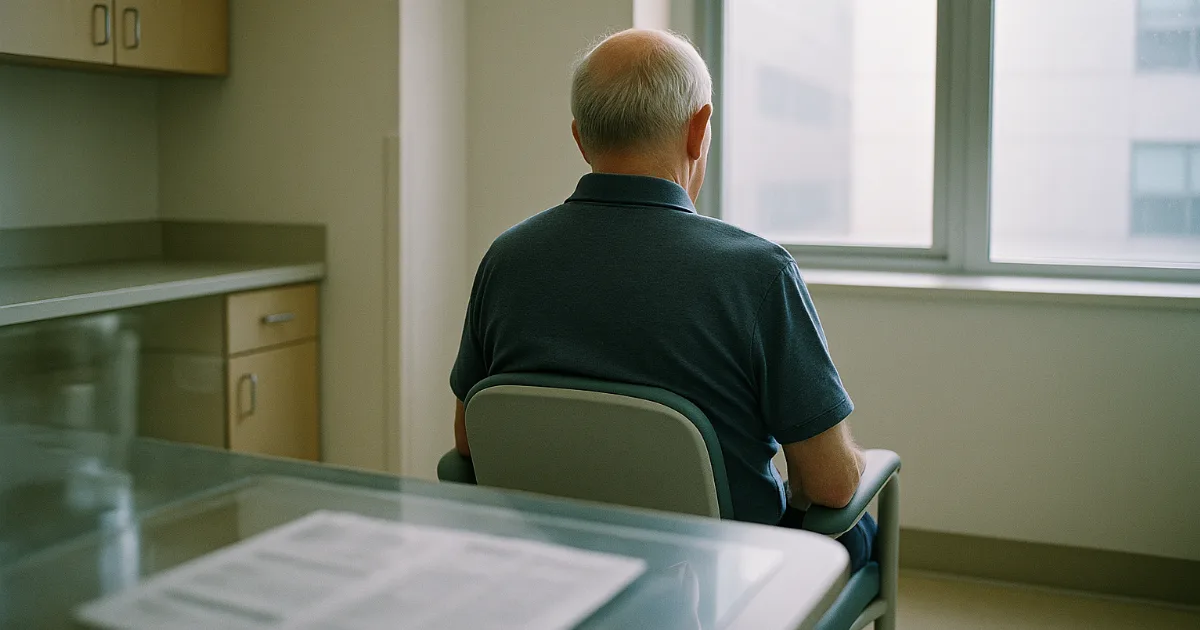
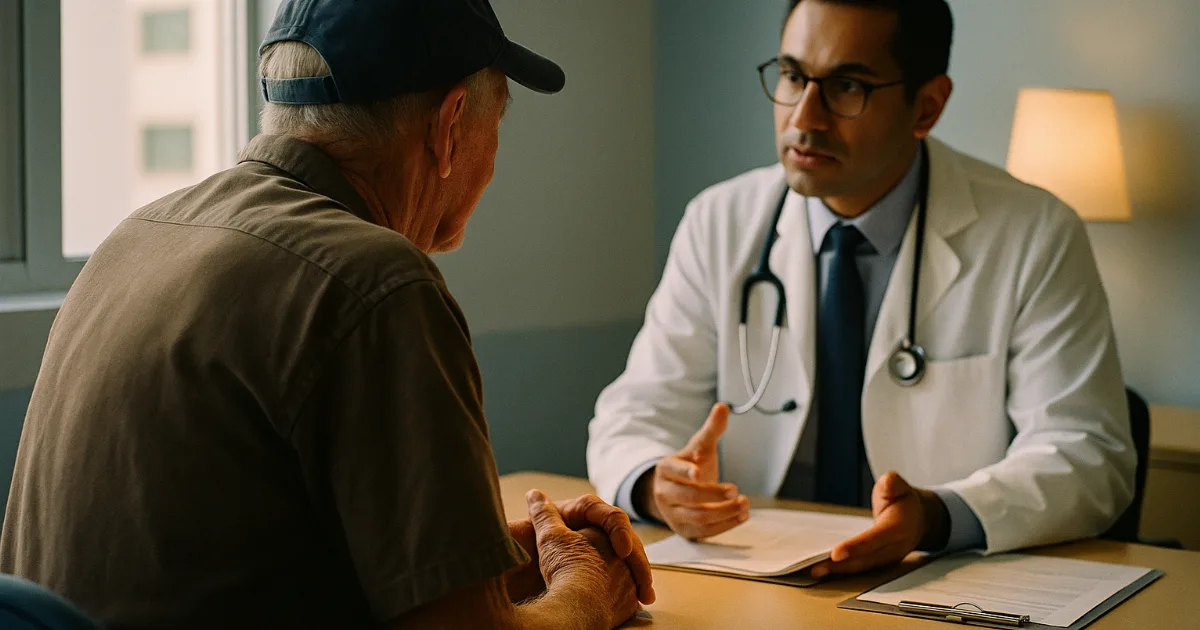
LOS ANGELES, CA — Somewhere in the San Fernando Valley, a 67-year-old retired shipyard mechanic is sitting in an oncologist's office, listening to his doctor describe a treatment he never knew existed six months ago. He's not in a standard chemotherapy cycle. He's enrolled in a recruiting clinical trial at a California cancer center, and his tumor has shrunk for the first time since his diagnosis.
California Now Hosts One of the Nation's Largest Concentrations of Open Mesothelioma Trials
ClinicalTrials.gov currently lists multiple actively recruiting mesothelioma studies based in California, spanning institutions from UCLA and UCSF to UC San Diego and Stanford. That density matters, because for patients with mesothelioma who've already received first-line therapy, clinical trials are often the most viable path to extended survival.
The National Cancer Institute designates several California institutions as NCI-designated cancer centers, a status that signals the highest level of research infrastructure and patient access. According to the NCI's cancer center directory, that designation requires sustained, peer-reviewed research programs and multidisciplinary care teams, not just oncology departments that see occasional mesothelioma cases.
The breadth of available trials reflects a broader shift in how the disease is being treated. Since the FDA approved nivolumab plus ipilimumab for unresectable malignant pleural mesothelioma in 2020, based on data from the CheckMate 743 trial published in the New England Journal of Medicine, immunotherapy has reshaped the standard of care. California centers have been among the most active in building on that foundation, testing combinations that pair checkpoint inhibitors with novel agents, targeted therapies, and tumor-treating fields.
Why This Matters for Patients Who've Been Told They've Run Out of Options
What I hear from patients going through this is a version of the same story: their oncologist at a community hospital exhausted the standard protocol, and no one mentioned that a trial 90 minutes away might still be recruiting. That gap in information is one of the most consequential failures in mesothelioma care.
The National Cancer Institute's treatment guidance for malignant mesothelioma explicitly notes that clinical trials are an appropriate option at every stage of disease, not just as a last resort. For patients with epithelioid cell type, which research published in NCBI's pathology literature identifies as the most treatment-responsive histology, trial eligibility may be broader than patients assume.
According to the Brigham and Women's Hospital mesothelioma program, multidisciplinary evaluation, including input from thoracic surgeons, medical oncologists, and radiation specialists, is essential before any treatment decision. California's NCI-designated centers offer exactly that structure, and many have dedicated mesothelioma programs rather than general thoracic oncology departments.
"The most important step you can take right now is asking your oncologist specifically about open trials, not just available treatments," said Yvette Abrego, patient advocate at Mesothelioma-Lung-Cancer.org. "Those are two different conversations, and only one of them opens every door."
What Patients and Families Should Do With This Information
Many patients and families I've worked with don't realize that enrolling in a clinical trial doesn't mean forgoing standard treatment. Many trials use approved therapies as a backbone and add an investigational agent on top. Eligibility criteria vary, but prior treatment, age, and performance status don't automatically disqualify a patient.
For California residents, the practical starting point is ClinicalTrials.gov's state-filtered search, which currently shows multiple recruiting mesothelioma studies across the state. Calling the trial coordinator directly, before going through an insurance referral, is often faster.
Patients navigating these decisions should also understand the financial side. Asbestos exposure that caused a diagnosis may entitle families to compensation/) through trust funds or litigation, resources that can cover travel and lodging costs associated with trial enrollment at a distant center.
For a deeper look at how California's treatment options compare across institutions and modalities, the mesothelioma treatment comparison guide provides a structured overview of what each approach offers and for whom.
This article is for informational purposes only and does not constitute medical advice. Consult your healthcare provider for guidance specific to your situation.